YOU NEED TO MASTER YOUR PHONE SKILLS TO PROVIDE SUPERIOR CUSTOMER SERVICE
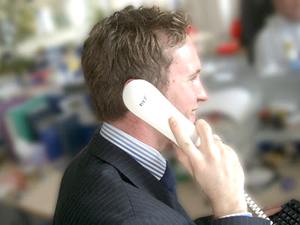 You interact with your customers every day in many ways to review and resolve their concerns, whether it’s via a personal meeting or using email, text or even video chat. Regardless of which media you choose, effective communication is critical in linking you with your customers to understand and satisfy their automotive needs.
The telephone is certainly one of the biggest opportunities customers have to form perceptions, either positive or negative, about your dealership. Furthermore, in many cases, the telephone is still also the primary point of contact with them. As a result, having good basic telephone etiquette is a critical element of effective customer relations and the resolution process.
TIPS TO CONSIDER
Here is a list of top 10 tips to use when answering the phone to ensure that callers/customers know they are dealing with a winning dealership business. If you are professional, you can turn a first time caller into a lifetime customer.
- Your first source of telecommunication is your phone set — make sure it is working properly.
- Using a proper greeting is the most important transaction of your day. Relax, and take a deep breath when you are interacting with the customer over the phone. Remember, since there is no face-to-face interaction, it is important that you keep your voice at a very calm and polite level. Do not raise your voice and try not to mumble. You need to project a positive image of yourself and your dealership.
- Answer all incoming phone calls before the third ring and be warm and enthusiastic. Enunciate clearly, smile and keep the volume moderate. Speak slowly and clearly, so your caller can understand you easily.
- Welcome callers courteously and identify yourself and your dealership. Ask for the caller’s name to use during the conversation and later during follow-up. Remembering the name of a customer is very important. This will help them to acknowledge that you are listening to what they are saying.
- Active listening is the most important technique in telephone etiquette. Listen for both the content as well as the intent. Usually, the customer tells you both in his/her opening statement. By listening actively to the customer’s opening comments, you can then respond with a statement that assures the customer that you have heard them. Let the customer know you’re listening by using words like: “I see, yes, I hear and understand what you’re saying,” or “I will direct you to the most appropriate individual to assist you with this.”
- Control your language when answering the phone. Don’t use slang or jargon. Practice your voice and vocabulary to sound positive, even on a “down” day. For example, rather than saying, “I don’t know,” say, “let me find out about the repair status of your car or delivery date of your purchased vehicle.”
- Take telephone messages completely and accurately. If there’s something you don’t understand or can’t spell, such as a person’s surname, ask the caller to repeat it or spell it for you. Then make sure the message gets to the intended recipient and follow up with your staff.
- Always ask the caller if it is okay to put them on hold when answering the phone, and don’t leave customers on hold for too long. Provide callers on hold with a progress report every 30 to 45 seconds. This will reassure them that you haven’t forgotten them on the line and are taking the necessary steps to assist them. If you are unable to find the solution to their inquiry right away, provide them with an option such as: “the manager or advisor is on another line, would you like to leave a message with me and I will have them call you back?”
- Don’t use a speakerphone unless it is absolutely necessary. Speakerphones give callers the impression that you’re not fully concentrating on them and makes them think that their call isn’t private.
- If you use an answering machine to answer calls when you can’t, make sure that you have a professional message recorded that gives callers any other pertinent information before it records their messages. Update your answering machine message as needed. For instance, if your business is going to be closed for a holiday, or you are going for vacation, update your recorded answering machine message accordingly.
FOLLOW UP CALLS
Make sure to check your messages regularly and reply within at least 24 hours to avoid customer disappointment and frustration. Following up on the information you promised is one way you can avoid receiving upset callers or visitors. Even if you have to call a customer back to say you’re still checking, they will appreciate knowing that you haven’t forgotten and are doing your best.
The follow up call provides a great opportunity for you to improve customer satisfaction and profits per transaction — doing it right can make a huge difference. Finally, the telephone is the most effective communication tool to sell products and services. Make good use of this vital tool and win your customers’ loyalty and their business for life.