Canadian auto dealers may need to rethink how quickly they can respond to cyber attacks as artificial intelligence gives threat actors new ways to find vulnerabilities and target businesses.
The Canadian Centre for Cyber Security warned in June that frontier AI models can help cybercriminals identify and exploit software flaws and weaknesses in security controls faster than before. In some cases, the agency said, the time defenders have to respond could shrink from days or weeks to hours.
Threat actors are already using AI to produce more convincing phishing attempts, voice scams and deepfake impersonations at greater speed and scale. The technology can also help attackers combine vulnerabilities and enable less-skilled criminals to carry out more sophisticated attacks.
For dealerships, the warning has particular relevance because auto retail increasingly relies on interconnected digital tools and third-party technology providers. The Cyber Centre cautioned organizations relying on outside service providers to ensure those companies are also applying strong cyber security measures, noting that cyber resilience extends across the supply chain.
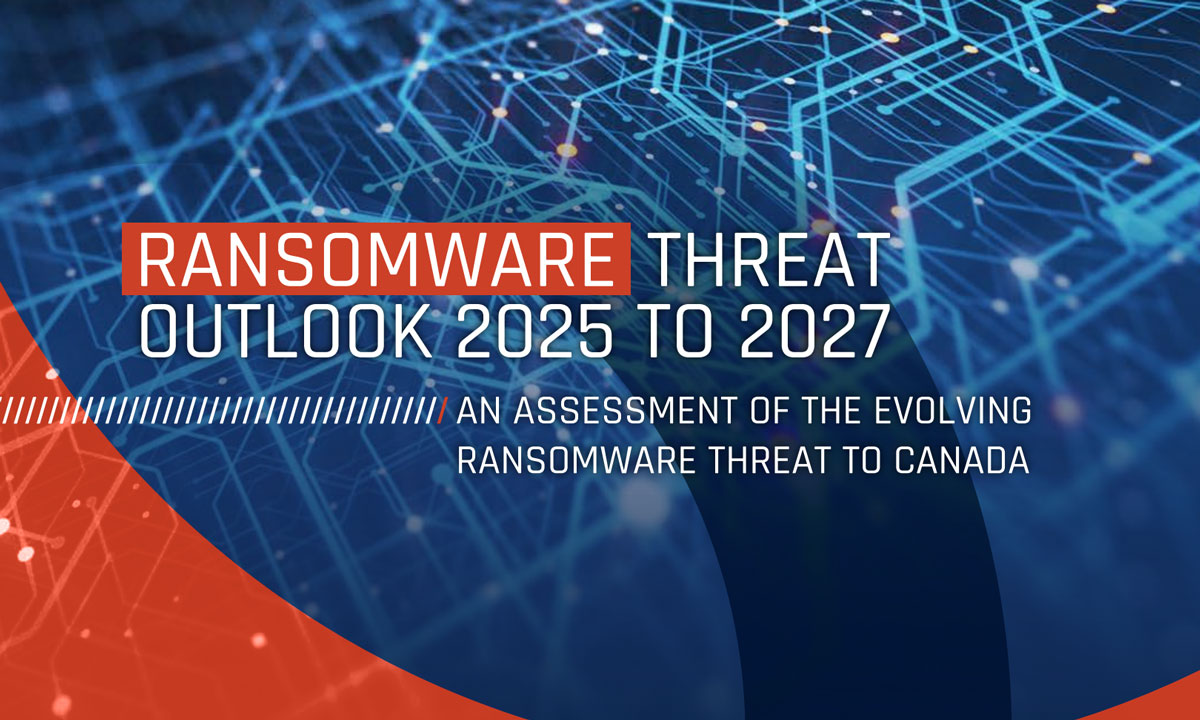
The warning builds on the agency’s Ransomware Threat Outlook 2025 to 2027, which found ransomware incidents in Canada are rising overall and increasing annually across most sectors.
Statistics Canada data cited in that report found 13 per cent of businesses reporting cyber security incidents identified ransomware as the method of attack. Recovery costs associated with cyber security incidents doubled to $1.2 billion in 2023.
The Cyber Centre recommends businesses promptly install security patches, use strong multi-factor authentication, address unsupported systems, test incident-response plans and establish clear guidance around employees’ use of AI tools.
For dealers holding customer and business information while depending on multiple technology partners, the message is increasingly operational: cyber security is no longer solely an IT concern.