 Canadian Automobile Dealers Association (CADA) Chief Economist, Michael Hatch, says he applauds the recent free trade agreement between Canada and the European Union.
“This is great news,” says Hatch. “Over the next few years the tariffs between Canada and the EU are going to be reduced. It’s good news for consumers and we’ll likely see greater access to goods and services we import as well as providing greater access to European markets for our exporters.”
Hatch notes that the deal is particularly significant for the automotive industry, especially in view of the high tariffs both Canada and the EU place on passenger vehicles. “They have been huge,” says Hatch “6.1 per cent for imports coming into Canada and 10 per cent for exports to Europe.” He says that given the average cost of a car ($25-$35,000), current tariffs in Canada add an extra $2,000 per vehicle, so over time, the cost savings for consumers are likely to be significant.
Given the complexity of such trade deals, it is likely to take many years before the benefits are really translated to the average person on the street. Nevertheless, business communities in both camps have welcomed the move.
Hatch says that among the auto dealers he’s talked to, the response has been that this represents the right way forward, even though they aren’t likely to see any impact on their bottom line for many years to come.
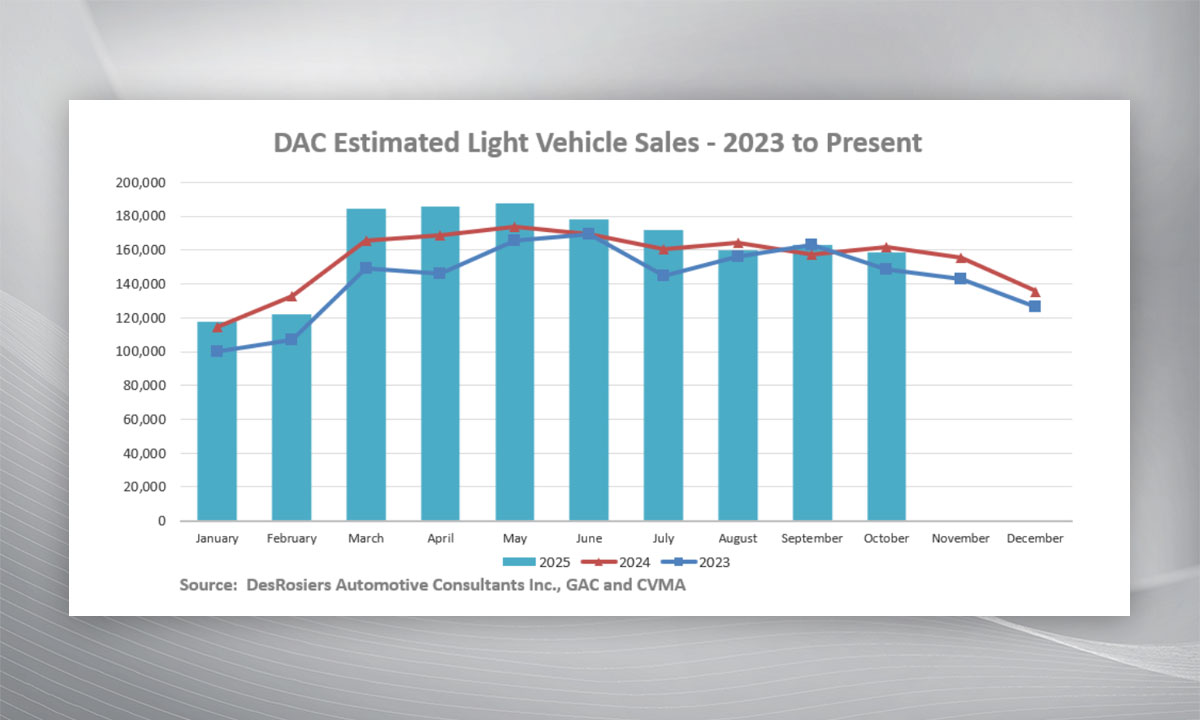
Given how Canada is on pace for a record sales year in terms of new cars and trucks, aided by low interest rates which make car loans affordable, lower tariffs on European sourced vehicles and parts in the future could have a significant impact on the landscape, promoting greater competition, demand and likely more affordability for consumers.
It could potentially enable European based manufacturers to expand their model offerings in Canada, providing new profit centres for both OEMs and dealers, though Hatch says, like the impact to the bottom line for dealers, such changes aren’t likely to happen for a number of years.