Reynolds and Reynolds is expanding its Canadian team while taking a measured approach to AI, automation and dealership innovation
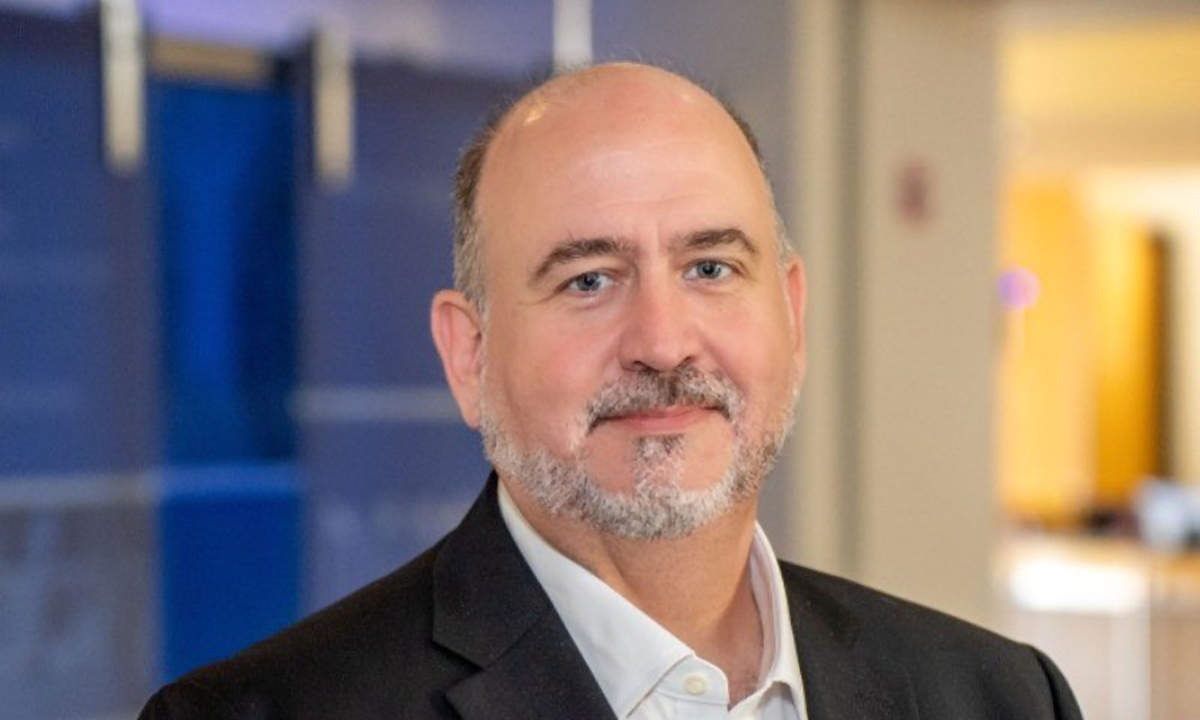
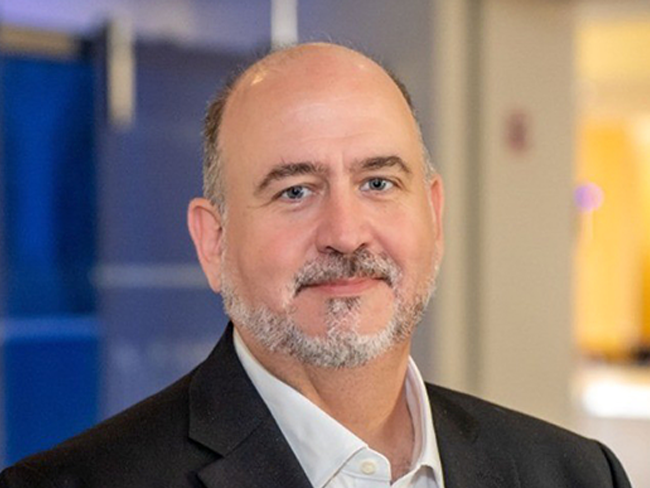
Keith Legg
Automotive retail technology is evolving quickly, but Keith Legg is wary of anyone who claims to know exactly where it is heading.
“If you interview anybody and they tell you they’ve got it all figured out on AI, show them the door,” said Legg, Vice President of Sales Canada for Reynolds and Reynolds.
That note of caution reflects how the long-established dealership technology provider is approaching a period of rapid change. Reynolds is investing in artificial intelligence, robotics and software development, but Legg said the company is trying to balance speed with the operational realities of running a dealership.
At the same time, it is expanding its Canadian presence.
Legg said Reynolds has increased its Canadian workforce by approximately 20 per cent during the past year, growing from about 200 employees to more than 250. Most of those hires have been in implementation and customer support, including call-centre staff and consultants who work directly with dealerships.
“You can’t be reactive when you talk about implementation and customer support,” he said.
Even employees with dealership experience need time to learn Reynolds’ technology, while technically experienced hires still need to understand dealership operations. Legg said building that capacity in advance will allow the company to support new customers and additional product implementations without allowing service levels to fall behind its growth.
Legg said building that capacity in advance will allow the company to support new customers and additional product implementations without allowing service levels to fall behind its growth.
An automotive approach to AI
Much of the current technology conversation revolves around AI, but Legg argues its value will depend on more than simply attaching a chatbot or large language model to dealership software.
He describes Reynolds’ strategy as resting on three foundations: data, technology and automotive business knowledge.
The first is reliable, connected data. He said Reynolds has been developing a common data layer beneath its product ecosystem, allowing information from different dealership functions to be interpreted within a shared structure.
That becomes important when an AI tool is asked to make recommendations or take action. If information in a dealership’s CRM conflicts with its DMS, for example, the system needs to understand which source is authoritative and how the records relate to one another.
“Access to data” is not enough, said Legg. The system must understand what the data represents and how it is used across the dealership.
The second foundation is the AI technology itself. Rather than relying entirely on an external platform, Reynolds is investing in its own infrastructure and computing capacity. Legg said that investment is intended to give the company greater control over how its AI tools operate and how they are adapted to automotive retail.
The third element is industry knowledge.
An AI system can process large amounts of information, but that does not mean it understands how a service advisor works, how technicians receive assignments, how OEMs interact with their retailers or why access to certain dealership information must be restricted by role.
“If you don’t understand the business and the pitfalls within automotive and the opportunities within automotive, the best tools are going to take you to the wrong places quickly,” said Legg.
From answers to action
Rey AI, the company’s AI assistant, is intended to bring those elements together within Reynolds’ dealership systems.
Legg said the initial version is being designed primarily as an interactive assistant. A dealership employee could ask it to retrieve information, identify trends or prepare material for a meeting.
The next stage would allow Rey AI to complete requested tasks and suggest repeatable actions. A manager asking for a list of used vehicles that have been in inventory for more than 90 days, for example, might then be asked whether the same report should be prepared automatically each week.
Eventually, Legg expects dealership AI to become more agentic, identifying routine work that needs to be completed and handling it within permissions established by the dealership.
That progression is deliberate. Reynolds does not want its systems moving directly from answering questions to taking autonomous action without sufficient controls and dealership oversight.
The risks are not limited to inaccurate answers. Dealership systems contain sensitive financial, payroll, customer and employee information. An AI assistant must recognize that a service advisor, general sales manager and dealer principal should not all have access to the same data.
“If the AI doesn’t understand that in the mix, you’re going to end up out of compliance,” Legg said. “You’re going to end up with legal issues and personnel issues.”
The company is therefore taking a tiered approach, with access controls and permission structures based on what individual users are authorized to see and do.
Legg acknowledges that no system will eliminate every error. The objective, he said, is to establish enough guardrails to reduce unintended consequences and correct problems quickly when they arise.
Keeping the customer in the equation
Reynolds is also applying AI to more immediate dealership functions, including service appointment scheduling.
An AI-enabled system can identify the caller and vehicle, access relevant dealership information, find an available appointment and complete the booking without requiring every call to reach a business development centre employee.
Legg said an automated service appointment can often be completed in less than two minutes, compared with seven or eight minutes through a conventional call process.
But efficiency alone will not determine whether consumers accept the technology.
Reynolds’ tools are designed to detect frustration or discomfort and transfer the customer to a person when needed. Legg said dealers and technology providers must avoid creating negative experiences that cause consumers to distrust automated interactions altogether.
“You only get one shot to let them know it’s better,” he said.
Putting a robot to work
The most visible example of Reynolds’ automation strategy may be Relo, its autonomous parts-delivery robot.
Designed for dealership service departments, Relo transports parts from the parts department to technicians in their bays. It can also collect cores and other components that need to be returned.
The business case is straightforward: Technicians should spend their time working on vehicles rather than walking to and from the parts counter.
Legg said Relo can perform many of the functions of a conventional parts runner and, in some stores, may cost less than employing someone solely for that task.
Deploying robotics in real dealerships has nevertheless revealed practical challenges. In many stores, a physical door separates the parts department from the service area. Relo cannot turn a conventional doorknob, so Reynolds developed an integration that allows the robot to signal an electric door opener.
Legg sees that example as representative of how dealership technology develops: introduce a tool, observe how it performs under real operating conditions and resolve the obstacles that emerge.
Designed for dealership service departments, Relo transports parts from the parts department to technicians in their bays. It can also collect cores and other components that need to be returned.
Innovation with a filter
Reynolds’ history can be both an advantage and a branding challenge. The company has scale, an established customer base and deep dealership knowledge. At the same time, dealers are regularly introduced to technology startups promising faster or more dramatic solutions.
Legg said Reynolds applies an additional filter to potential innovations. The question is not only whether something can be built, but whether it should be built and whether the dealership is ready for it.
The company evaluates its development work against three broad outcomes for dealers: profitability, efficiency and compliance.
“If we’re not doing one of those, we’re probably not working on the right thing,” Legg said.
That philosophy may mean Reynolds is not always first to market. Legg argues, however, that being first matters less than creating technology that remains useful after the initial attention fades.
Legg has spent more than 31 years with Reynolds, beginning as a sales trainee before moving through account management, specialist sales and major-account leadership roles. He now oversees sales, marketing and in-dealership customer consulting in Canada.