 A recent Kelley Blue Book report found that the electrified vehicle (EV) segment (which includes electric vehicles, hybrids and plug-in hybrids) is growing more quickly than any other in the United States. New-vehicle demand for EVs remains high, despite recent challenges, which include the pandemic, inventory-shortages and supply-chain issues.
In an analysis of Q2 2021 data, Kelley Blue Book reports that sales of pure EVs surpassed 100,000 units in the quarter, for the very first time. EV sales for Q2 climbed a remarkable 201.1% year-over-year, reaching a combined total of 375,000 between EVs and hybrids. As consumer demand expands, electrified vehicles are capturing more total market share – EV sales accounted for 8.5% of total sales in Q2, up from 4.2% in Q2 2020.
AAA reports that gas prices have risen 40% from the beginning of the year, which may prompt consumers to choose more energy-efficient vehicles. EV consideration typically hovers in the 5-7% range according to Kelley Blue Book, however a recent quick poll by Cox Automotive indicates that 30% of consumers reported being either “extremely likely or very likely” to consider an EV for their next purchase.
“Automakers continue to release more electrified vehicles, whether hybrid versions of established nameplates or all-new electrified models. Car buyers are increasingly attracted to these options,” says Matt DeLorenzo, senior managing editor at Kelley Blue Book. “2021 will be a record-setting year for electrified vehicles in the United States – and we’re confident that 2022 will beat 2021.”
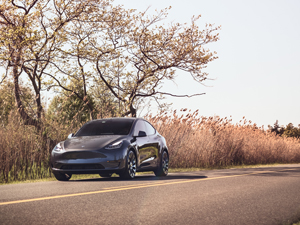
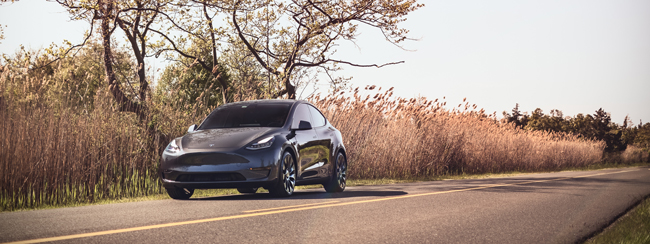
Tesla is still the dominant force as its Model Y remains the best-selling EV on the market, representing one in three EVs sold. “We believe battery-powered vehicles will be the dominant form of transportation in the future,” says Lea Malloy, assistant vice president of Research & Development for Cox Automotive Mobility. “We’re encouraged by the continual growth in interest in electrified vehicles.”