 A closer look at Canadian automotive industry sales declines for 2020 reveal not only the largest year-over-year drop on record, but significant variation as numerous factors set the stage for an “uneven landscape of change,” according to DesRosiers Automotive Consultants (DAC).
Some of those factors include shifts in consumer priorities and supply chain challenges. In terms of segments, DAC said the dominant dynamic was the continuous growth in light truck penetration, which increased a notable 5.2 percentage points in 2020 to reach a record 79.9%.
Contrary to government and lobbyist talks of reducing greenhouse gas emissions thinking consumers are still very much focused on the environment, many car buyers directed their attention to purchasing a vehicle from the light truck side of the market.
“This difficult year brought a variety of widely varying performances across the market with some segments finding relative success amongst the bedlam,” said Andrew King, Managing Partner at DAC.
Only one segment experienced a sales gain in 2020, thanks to a new product; the small pickup category managed an 11.1% sales increase last year, and a 30.1% sales increase in the fourth quarter alone.
“While small pickups were a standout exception, other segments bucked the trend and showed glimmers of strength,” said DAC.
On the other end of the spectrum, the two largest segments in Canada, the full-sized pickup and compact SUV segments, both outperformed the market with sales down 9.7% and 18.8% respectively. When combined, these two segments accounted for 43.3% of the market last year.
The overall passenger car market was hard-hit in 2020, with sales down 36.3% year-end, falling more than 175,000 units during the year. The subcompact car market alone declined 48.8% to 22,000 units.
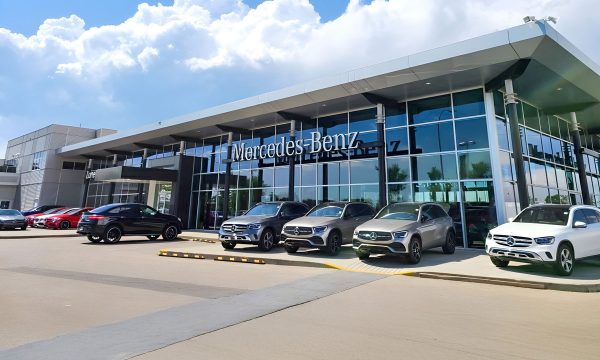
And the luxury side of the market, which includes passenger cars and light trucks, slightly underperformed the market last year after declining 23.0% year-end.
“Of note was that the luxury underperformance actually increased in Q4 when luxury vehicle sales were down 13.9% compared to only a 3.8% drop for non-luxury,” said Andrew King.