Anyone who has completed a construction or renovation project knows firsthand that the last five per cent of it is usually the most difficult. In fact, we often see the final five per cent not completed for many years, if at all. Construction can be a grind, and the last stretch can be mired in confusion. The contractor is less motivated as they have collected the vast majority of their fees while the OEM and your staff are eager for the doors to open so you can start selling.
There are many intricate details at the end of construction that can make a $1 million project seem like one that costs $5 million. Unfortunately, it can also go the other way too if the details aren’t completed properly.
In our experience, the key to these details is planning them well in advance, rather than taking a wait-and-see approach. Some details relate directly to construction, while others are literally a laundry list of things to purchase, i.e. garbage bins, recycling, soap dispensers and washroom towels. The areas with the most impact and highest risk are:
DIGITAL DISPLAYS
We often see Digital Displays with no content. We also see displays like this with plugs, wires and cabling lying on the floor, and sometimes held in place by duct tape. It’s important to find a partner/supplier who can handle the three key elements of Digital Displays and signage, specifically: hardware, software and digital content.
Without a strategy and an ability to coordinate each of these three elements, you will be wasting money, time and resources with digital initiatives.
WAITING AREA/KITCHEN EQUIPMENT
In newly renovated facilities, customer amenity and employee lunch areas are becoming more and more important. In our studies, we see a correlation between premium customer areas and Customer Satisfaction Index (CSI) scores. We also see a correlation between modern staff kitchen/cafeteria amenities and levels of employee engagement.
These areas can be much more functional and “cleanable” if they are planned and built properly. Appliance specifications are very important to know well in advance, so your millworker can build the proper dimensions and house appliances such as fridges, dishwashers, hidden garbage/recycling bins and even espresso machines.
WASHROOM AMENITIES SUCH AS SOAP DISPENSERS
Make no mistake, your washrooms say a lot about you. They do not have to be expensive, they just have to be clean, neat, and orderly. Planning out waste disposal, taps/dispensers, hand dryers (or towels) and mirrors, as well as hiding plungers and other cleaning equipment is essential, and takes planning. Most OEM Design Criteria Documents are not sufficient to plan a washroom that has proper amenities and that can be cleaned quickly and efficiently (you are cleaning your washrooms more than once a day, right?).
PLANTS AND GREENERY (INCLUDING POTS)
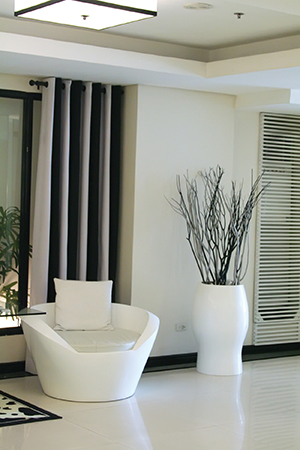
Plants and pots are often forgotten until someone says at the Grand Opening “this place needs some warmth.” It’s funny how often we hear this. Locations and sizes of plants should be chosen well in advance and the different sizes of pots should still be from the same family. More importantly, so should the types of plants you plan to use.
Depending on light conditions, some time should be spent on planning which types of plants should go where. For example, ivy does well in the shade, and Philodendron does well with sunlight. Believe it or not, plants can vastly improve the air quality in your dealership.
While budgets may not always allow it, we find that dealers who hire an interior designer (preferably with ARIDO certifications) are able to complete the last five per cent with less stress and end up under budget.
Part of the scope of work of an interior designer is to create detailed plans that are given to the Architect of Record or general contractor. A good interior designer gets into the smallest details and documents how these areas should be implemented.
Interior designers we have dealt with, can be very outgoing and proactive in dealing with many trades and suppliers. For example, they will co-ordinate electrical and data outlets with your electrical and cabling people. They will coordinate millwork, drainage, water and power with your contractor in your customer amenity area/kitchen and staff kitchens. In many cases, they will also specify right up to the cutlery, the types of cups/glasses etc. to buy.
Without this work, it’s an easy out for a contractor to say that full plans were not given so they either a); did it the way they thought was right, or b); did not do anything at all. There is enough finger pointing during a construction project, so having someone accountable eliminates many, if not all, arguments.
If you cannot afford to hire an interior designer, we recommend entrusting one of your team members as the “owner” of the details. Most dealerships we visit have staff who very much want to contribute to the construction/renovation project. With so many shows on HGTV and other networks, many of your staff are looking for an opportunity to take on some more responsibility in an area where they can readily see the results of their hard work.
The last five per cent is never easy. But when it’s done properly, your dealership will look better and will be easier to maintain over time. And a clean and functional physical environment will have a positive impact on Customer Satisfaction and Employee Engagement.