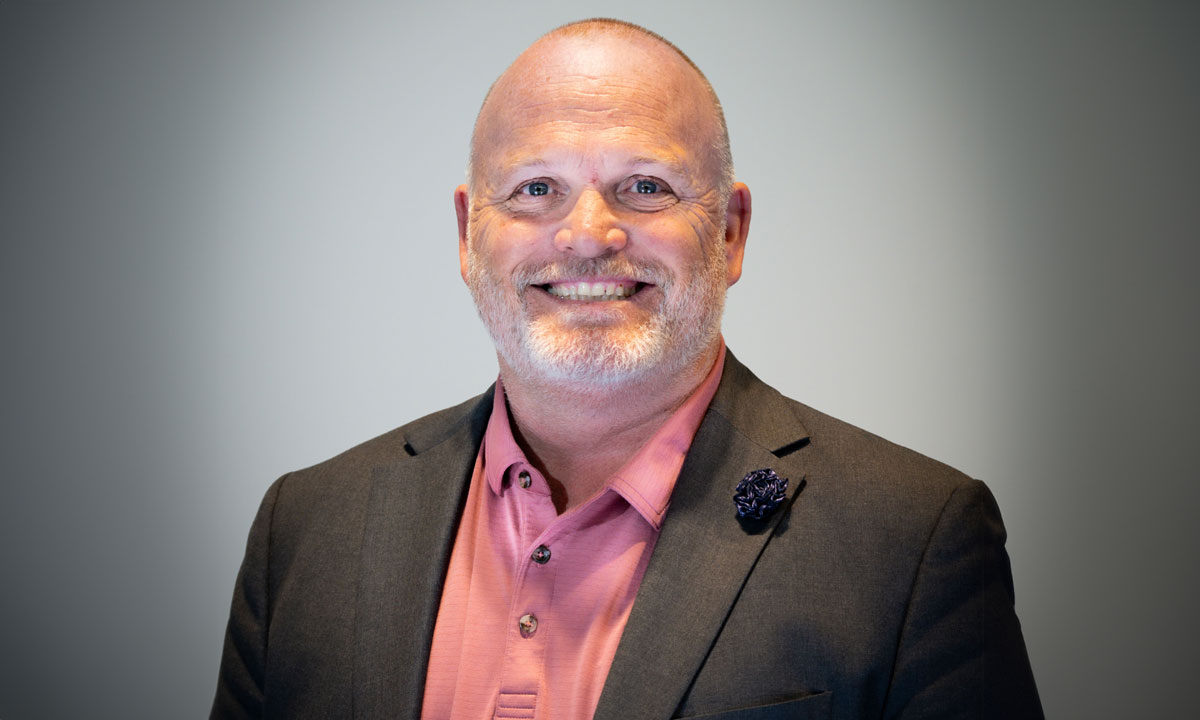
Steve Davidson, Partner and Chief Operating Officer of B.C.-based Steve Marshall Group
Dealers risk being caught in the automotive tariff war if they lose discipline and stray from the fundamentals, says a prominent Western Canadian dealership executive.
Steve Davidson, Partner and Chief Operating Officer of B.C.-based Steve Marshall Group, which operates 13 dealerships representing Ford, Chrysler, Dodge, Jeep, Fiat, Nissan, Honda and Mazda, recently shared his perspective on the tariff crisis in a LinkedIn post.
“The automotive business has dealt with a lot of disruption over the last several years, but the latest Canada-U.S. tariff situation is one dealers need to pay very close attention to,” wrote Davidson.
He said the greatest risk may not be the tariffs themselves, but the uncertainty surrounding them — including what could happen to vehicle pricing, incentives, manufacturer allocation and production, used vehicle values and customers’ willingness to buy.
“When the supply chain gets disrupted, the impact moves through a dealership very quickly,” he wrote, pointing to potential effects on new inventory, used values, F&I, parts, service and ultimately vehicle affordability.
Davidson told Canadian auto dealer the LinkedIn post began as a note to his general managers reminding them that periods of uncertainty make it particularly important to remain focused on the business fundamentals that have helped the group succeed.
He later decided the message was worth sharing more broadly.
“Interestingly, the feedback from our GMs and many of the comments on the LinkedIn post have been similar,” said Davidson. “My experience has been that consumer confidence is heavily influenced by the information and headlines people are exposed to.”
A constant stream of uncertainty around tariffs, pricing and the economy can cause both consumers and businesses to hesitate, he said.
“Our job isn’t to predict what happens next or get caught up in the headlines,” said Davidson. “It’s to stay disciplined, communicate with our teams and customers, and keep executing on the things we can control.”
Davidson said the advice applies broadly across the dealer network, although individual dealerships and brands could face different levels of exposure.
“There are a lot of things happening around tariffs, trade policy and the broader economy we simply can’t control,” said Davidson. “What we can control is how we operate our businesses, how we take care of our customers, how we manage expenses and inventory and how we lead our teams.”
David McQuilkin, Dealer Principal and General Manager of Milton Ford Lincoln, knows Davidson through their work together on industry committees and said the message is one dealers should heed.
“At the end of the day, we’re not in the car business, we’re in the people business and customer service business,” said McQuilkin. “That’s the only thing we can control.”
McQuilkin said dealers have far less control over the flow of information than they did 20 years ago, when customers depended much more heavily on the dealership for product information. That makes the things dealers can control — culture, aged inventory, expenses and customer service — even more important when the market becomes unsettled.
He also said dealers have historically shown an ability to adapt when conditions become difficult.
“An American dealer once told me a long time ago that dealers are desert rats — you can’t kill us,” said McQuilkin. “We’ll survive one way or another.”
For McQuilkin, periods of disruption can also force dealers to become more creative, find new sources of revenue and look for opportunities that may not have been apparent in stronger markets.
“There’s always a silver lining,” said McQuilkin.