 Vehicle manufacturers pushing to create more plug-in hybrid vehicles may be faced with a serious challenge: there does not appear to be a future for them.
OEMs are flooding the market with plug-in hybrid vehicles and sales have been rising, according to an IDTechEX press release. But consumers are spoiled for choice and market share has declined since 2013.
“Traditional automotive companies wish to keep the internal combustion engine going for a bit longer,” said Dr Peter Harrop, who led the IDTechEx team producing the report. “Many have revealed how far they are behind Tesla in pure electric by bringing out what are essentially copies of Tesla powertrains from six years ago but not all.”
Car buyers are dealing with two types of range anxiety: one related to a small battery, and the other related to a small gas tank. OEMs that deal with this issue, in terms of electrified vehicles, will benefit the most.
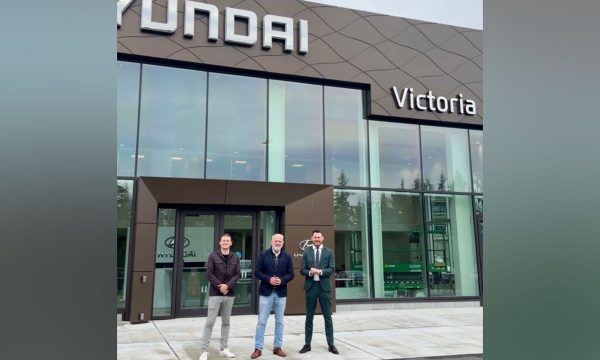
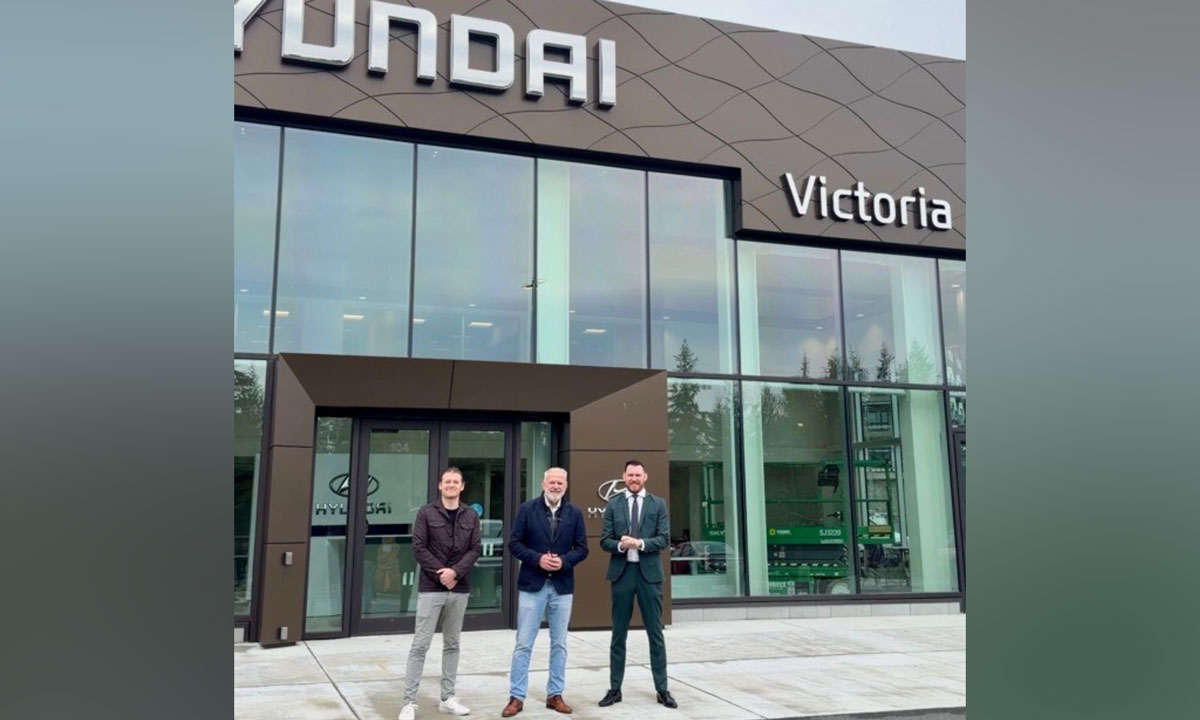
There are no long waiting list for plug-in hybrids, IDTechEX notes. But companies offering pure electric cars with the longest range and three times the resale value do have long waiting lists, and they will catch up. Hyundai and Kia, for example, have a one-year waiting list for its pure EV models. “They will clear that delay, releasing pent-up demand. Others will rapidly copy that success,” said Harrop.
“Well-funded start-ups go straight to pure electric. Tesla Roadster will have 1000 kilometres range matching gasoline: it will then become commonplace,” said Harrop. “Those buying internal combustion vehicles hope the city and country bans will not apply to hybrids, but they face increasing range anxiety from the number of gas stations plummeting — down 90 per cent in the U.K. in recent years for example as charging stations increase. They have financial anxiety from dropping resale values.”
Harrop said there is “absolutely nothing” that can be done to reverse declining market share for plug-in hybrids, which will inevitably lead to a drop in sales numbers. With new data, the company has revised its forecasts for plug-in car sales, putting the number of sales at zero in 2030.
“Technologically they are becalmed while pure-electric is evolving fast —from camper mode to solar versions that never plug in,” said Harrop.
The federal government’s new i-ZEV incentive program includes plug-in hybrids. It will be interesting to observe how many Canadians choose these types of vehicles over pure EVs.