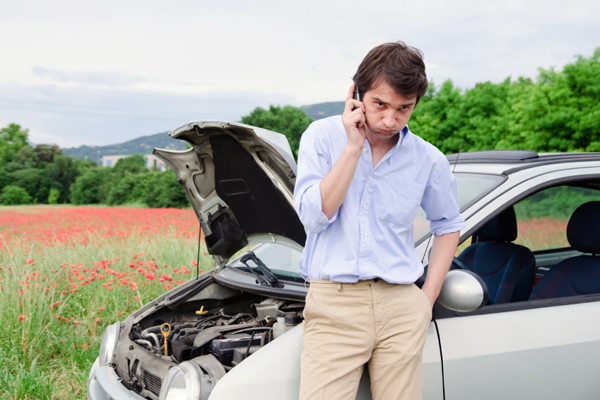
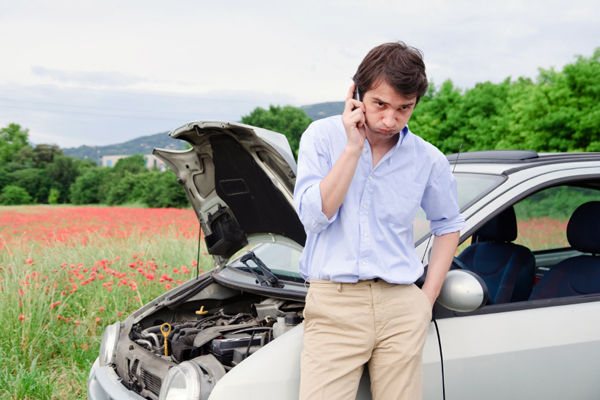
 Vehicle reliability is more likely to make or break a vehicle purchase decision than ever before, said J.D. Power.
The J.D. Power 2016 U.S. Auto Avoider Study, which includes responses from nearly 26,500 U.S. vehicle owners, found more than half of new-vehicle buyers (55 per cent) cite reliability as a leading purchase reason.
That’s up four per cent from 2015, said the company.
Reliability has also become a greater reason for shoppers to avoid other models, for 17 per cent of respondents in 2016 vs. 14 per cent in 2015, said J.D. Power.
Negative publicity from auto recalls and technology failures are likely why consumers are more concerned about the expected reliability of new vehicles, said the company.
Other key findings of the 2016 study include:
- Exterior styling is the biggest reason shoppers buy — or avoid— a particular model;
- Car buyers are doing less window shopping. On average, buyers are only physically looking at three models, one of which they buy;
- Nearly double of the consumers said they avoid domestic models due to perceived reliability concerns compared to European (13 per cent) and Asian (12 per cent) brands;
- Fuel economy has become a less frequently cited reason consumers select their new vehicle;
- More than half (54 per cent) of new-vehicle owners who replaced a vehicle buy the same brand, while 46 per cent bought a vehicle from a different dealership.
“In the auto industry building consumer trust, loyalty and advocacy is paramount to ongoing success. However, there are so many great vehicles available to consumers that merely satisfying your customers is simply the cost of entry. To truly succeed, automakers must keep their exterior and interior designs fresh, ensure competitive performance and fuel economy levels, offer an array of advanced technology and achieve an excellent reputation for vehicle reliability,” said Dave Sargent, vice-president, quality practice, J.D. Power.