DEALERS AND F&I MANAGERS WENT BACK TO SCHOOL IN OCTOBER TO LEARN EVERYTHING THEY ALWAYS WANTED TO KNOW ABOUT CORROSION — BUT WERE TOO AFRAID TO ASK
 IN OCTOBER, two waves of dealership personnel made the pilgrimage to the tiny town of Hartville, Ohio — ironically situated in the heart of the U.S. rustbelt — to visit a research laboratory owned and operated by Final Coat, a provider of F&I products, including corrosion prevention technologies.
The laboratory, called The Canadian Auto Preservation / Final Coat Research and Development Laboratory, houses scientists who continue to push the frontiers of corrosion prevention research.
The company markets and sells a patented electromagnetic corrosion protection device that is sold at many dealerships across Canada, the U.S., and increasingly across the globe.
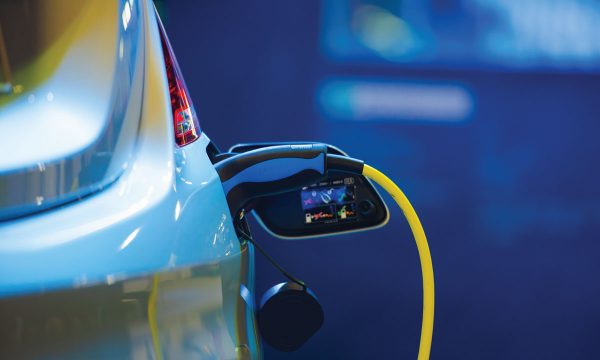
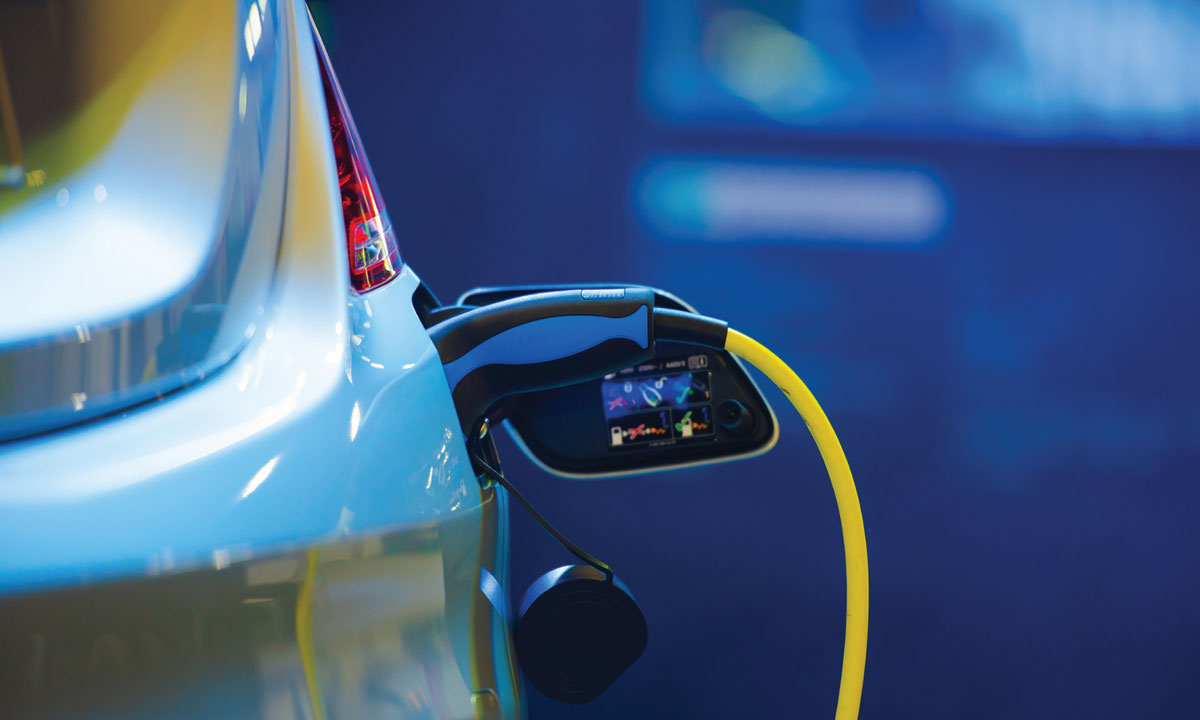
Final Coat also introduced a version for hybrid vehicles.
This phenomenon was completely unknown in corrosion science… The first thing that happens when you introduce something new in science is you are met with cynicism and skepticism.
– Dr. Digby MacDonald
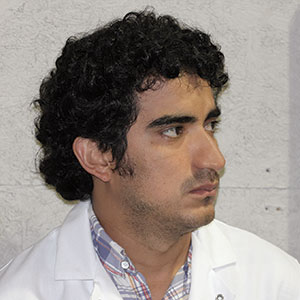
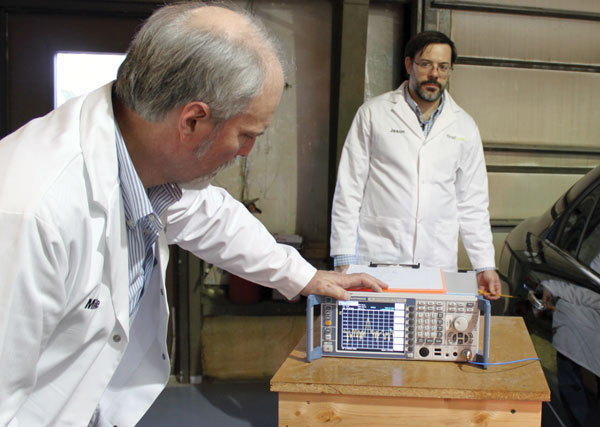
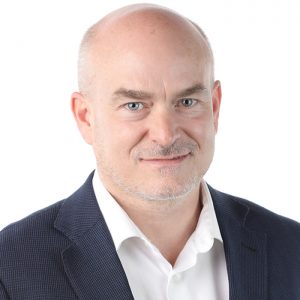
Scientist Dr. Enrique Maya-Visuet
SHOW AND TELL
But the rust protection technology industry still has its share of skeptics, and to help alleviate those concerns and better explain the science to dealership personnel, the company puts on regular tours of its facilities and goes to great lengths to prove that the science works.
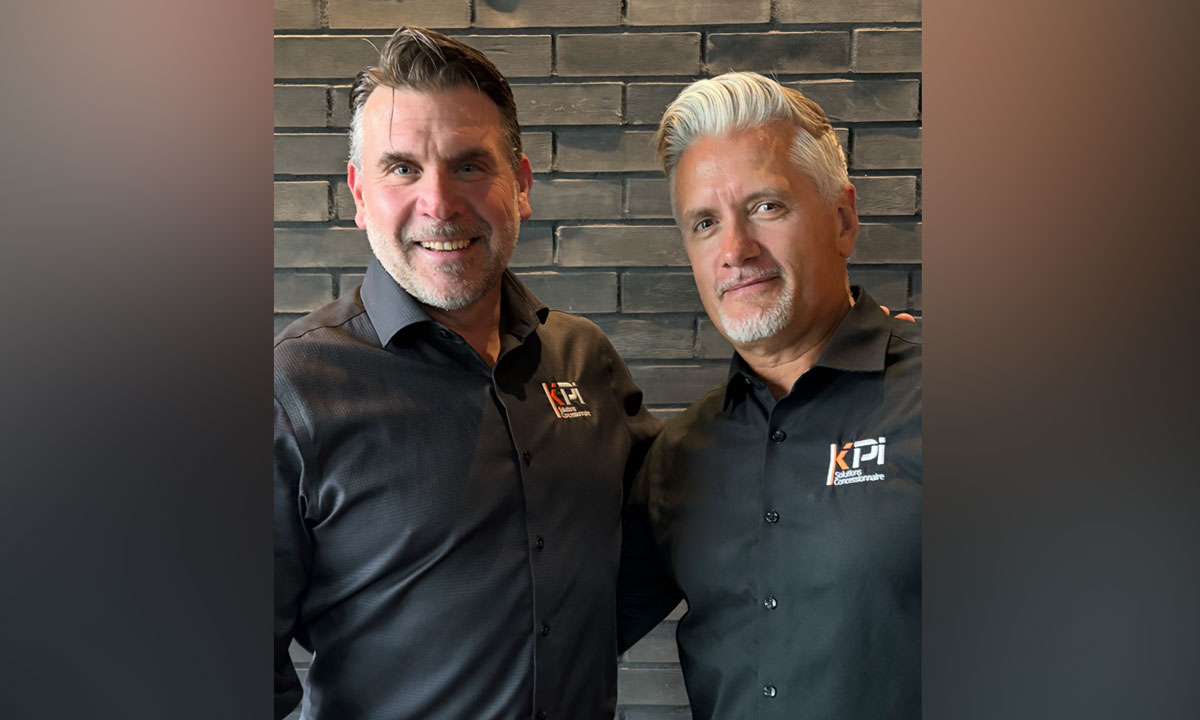
“We only open the lab up to visits about every year and a half,” says Randy Peek, President and CEO of Final Coat, in his opening remarks at the Ohio event. “The scientists get a little wary when we come down. They are afraid we will touch things!”
Peek then introduced each of the scientists from the lab and explained their role. “Today we are going to talk about corrosion and how that relates to the module we sell,” he said.

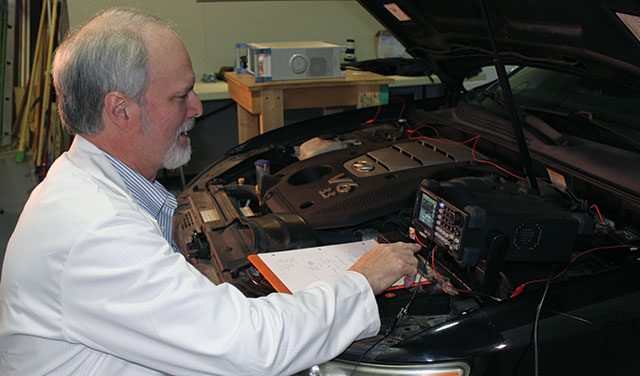
Scientist Dr. Digby MacDonald
The group of scientists in attendance included: Dr. Digby MacDonald, PhD, Chemistry; Dr. Michael Lewis, PhD, Physics; Dr. Jason McLafferty, PhD, Electrochemistry; and Dr. Enrique Maya-Visuet, PhD, Electrochemistry.
It was Dr. MacDonald who delivered the day’s keynote presentation. “He is one of the world’s leading corrosion scientists,” said Peek, in his introductory remarks. “If he has an equal — we are still looking for him.”
Peek added that Dr. MacDonald has published more than 900 papers, written many books and holds nine patents. In 2011 he was nominated for a Nobel Prize in Chemistry.
Dr. MacDonald explained how the Final Coat module, one that is regularly installed at dealerships across the world, sends a patented pulse signal across the entire vehicle.
In painstaking detail, he explained the properties of galvanized steel and how it works to protect the steel used on automobiles. If the zinc layer on a vehicle is corroded, by a scratch or a stone chip for example, the zinc coating is breached, the steel is exposed, and corrosion begins.
That’s when the Final Coat module kicks in to continue to protect the vehicle’s steel from corroding. The module works at a high frequency and induces currents into a metal’s surface. The module breaks down the tendency of zinc to passivate, thereby providing corrosion protection.
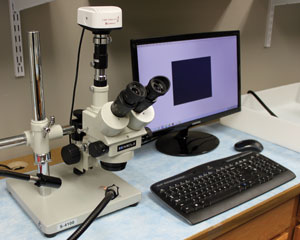
 Now those in attendance might not have completely grasped Dr. MacDonald’s descriptions of things such as “differential aeration” the “kinetics of oxygen reduction,” “ionically conducting solution on the surface,” or “sacrificial anodes,” but the point did get across that there is some serious science behind corrosion prevention.
Dr. MacDonald made the clear distinction that other cathodic protection devices on the market that offer rust corrosion prevention simply do not work on automobiles. For cathodic protection to work on an automobile, it would need to be completely immersed in water, says Dr. MacDonald. “That’s fundamentally different than what we are talking about with Final Coat,” he said.
A NEW DISCOVERY
When the discovery of the Final Coat technology was first brought to his attention, Dr. MacDonald said it had not been witnessed previously. “This phenomenon was completely unknown in corrosion science,” says Dr. MacDonald. “The first thing that happens when you introduce something new in science is you are met with cynicism and skepticism.”
Dr. MacDonald says that’s why it’s important for the scientists to keep up their research efforts, and to publish papers on their findings in established journals. “It’s not that people believe it doesn’t work, it’s just that many people are skeptical,” says Dr. MacDonald. “There is no question it is legitimately based in solid science.”
ONGOING RESEARCH AND DEVELOPMENT
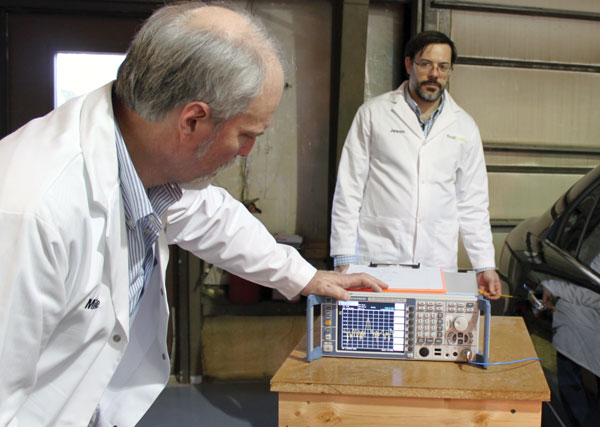
When they aren’t conducting tours of their Hartville laboratory, scientists there continue to explore improvements and enhancements to the module. They experiment with the performance of different pulse-wave signals and other technology improvements, such as lowering the amount of battery power the device draws from the vehicles.
Scientists also continue to explore the fundamentals of corrosion science in an effort to better understand how the technology performs, and to test its applicability on other metals and materials.
Dr. MacDonald is a consultant for Final Coat, and works with the scientists at its research laboratory. The Final Coat technology is also protected by several patents worldwide.
For more information visit: www.finalcoat.ca