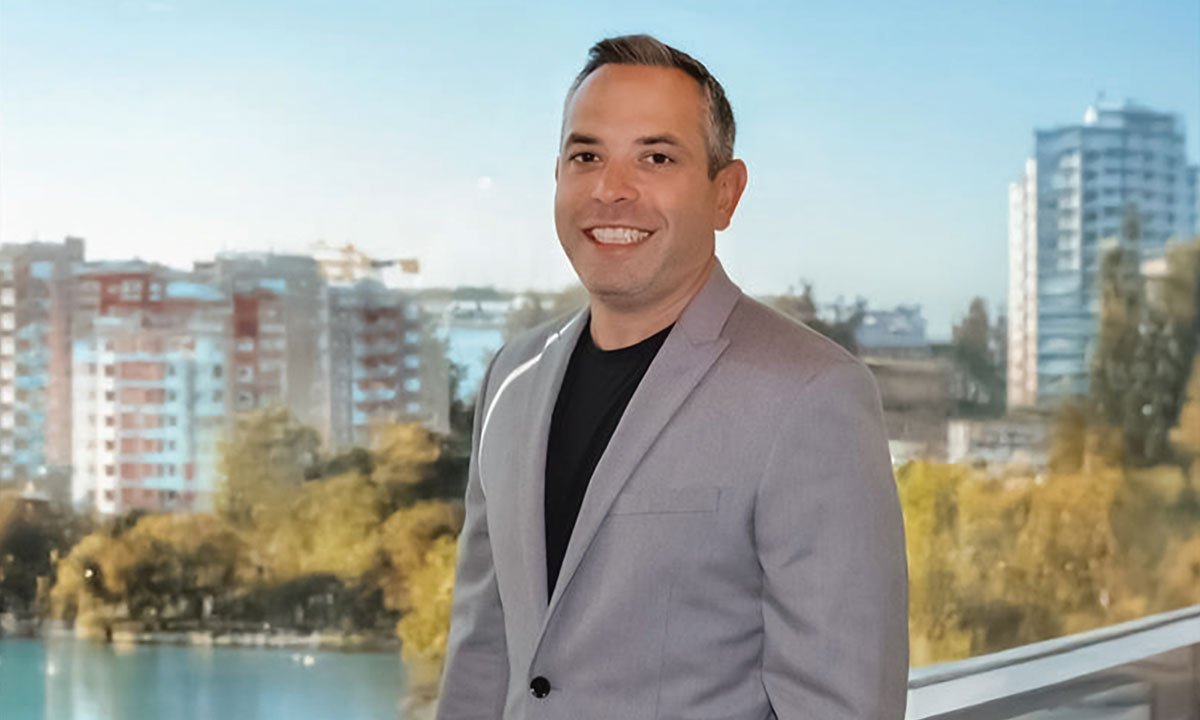
Our new columnist, Monte Weis, shows why the “physical” attributes of a dealership are hugely important, even as we enter the digital age
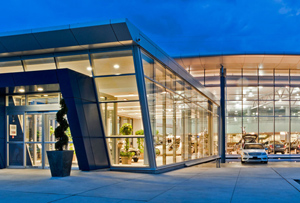 The unofficial National Rifle Association slogan “guns don’t kill people, people kill people”, has always been thought provoking to me.
If one were to relate it to the automotive industry, the equivalent slogan would be “buildings don’t sell cars, people sell cars”.
The analogy above may be regarded as far-fetched, but there is no doubt that over the past few years both dealers and OEM Executives have been in the line of fire when discussing this topic. After all, land and building alone account for the largest investments any dealer will make. Not to mention furniture, fixtures, equipment, property taxes and facility operating expenses.
By analyzing each party of interest, it becomes clearer how every dealer can leverage their overall operations through facility investment and support. For easy reference, we will refer to this breakdown as the acronym Dealer SCOPE:
Dealer: A key interest of the dealer principal is to ensure the facility puts them in a position to generate a reasonable return on Investment. ROI can be influenced by size, quality, image programs among other factors.
S – Staff: A facility has the ability to support and enhance a company culture.
C – Customers: The facility is the face of the dealership to the customer and should help convey a sense of trust and community.
O – OEM: The OEM’s interest is to be appropriately represented and have enough capacity to support existing business and future growth.
P – Prospects: In a very price sensitive and competitive environment, the facility can have an impact, and even be a deciding factor on where the prospective buyer makes their purchase.
E- Everyone else: A dealership touches a full host of vendors, suppliers and contract workers. A clean and welcoming environment can make these partners not only customers, but true advocates of a dealership.
Christian Chia, president of OpenRoad Auto Group in Vancouver notes: “I was amazed to see the increase in both sales, service and profitability when moving into our new Hyundai facility in Richmond (B.C). What is interesting is that it
was not a matter of adding capacity. Our previous facility was large enough.”
Similarly, Chris Pfaff, president of Pfaff Auto-motive Partners, comments on his new Audi facility in Newmarket, Ont: “When we planned our facility, we were hoping that amenities and features such as a gym, a single lunch room, and an abundance of natural light would have a positive impact on our company culture. So far, we are seeing great results.”
We are in an industry where there are countless metrics, whether it be CSI, SSI, market share, Mystery Shops, Return on Sales — the benchmarks keep going.
Do facilities make a difference? The answer, in my opinion, is a resounding yes. However, it’s difficult to quantify. Dealers can leverage their overall operations through facility investment and support. But to whom, how and why? Those are the questions we will investigate over the next few columns.