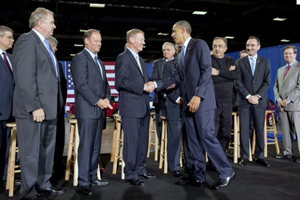
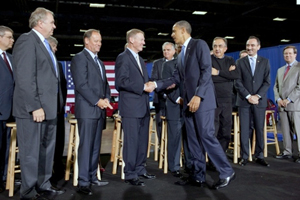
 Controversial Corporate Average Fuel Economy targets that would require automakers to meet a fleet wide average of 54.5 miles per gallon U.S. (4.3 L/100 km); were finalized on Tuesday, August 28.
These latest regulations aim to build upon existing mandates, which require automakers who sell cars and trucks in the U.S, to achieve fleet wide targets of 35.5 miles per gallon (6.63 L/100 km) during 2011-2016 or risk penalties.
According to a statement released by the White House, the new regulations will save consumers $1.7 trillion U.S. and reduce domestic oil consumption by 12 billion barrels from 2017 through 2025. President Obama added that “[these fuel standards] represent the single most important step we’ve ever taken to reduce our dependence on foreign oil.”
However the standards, with represent a huge jump over existing levels have come under criticism from some quarters, including Republicans and the National Automobile Dealers’ Association. The NADA believes that the technology required to achieve these standards could significantly increase the price of new vehicles, pushing a good percentage of would be buyers out of the new car market.
Michael Harrington, a spokesman for the NADA also said that the Obama Administration’s claims that fuel savings of $8,000 over the life of a vehicle would not be easily achieved. He said it would require a car to travel a distance of 211,000 miles (340,000 km) before such savings could be realized.
Republicans on the House Oversight and Government Reform Committees have also been critical of the CAFE proposals and earlier this month released a report which said the standards, being led by California are based on an “overly optimistic” view that American motorists would be willing to purchase electric or hybrid vehicles.
The Environmental Protection Agency and the National Highway Traffic Safety Administration have said they will conduct a mid-term evaluation of the standards to see whether they are proving effective and/or need adjustment.