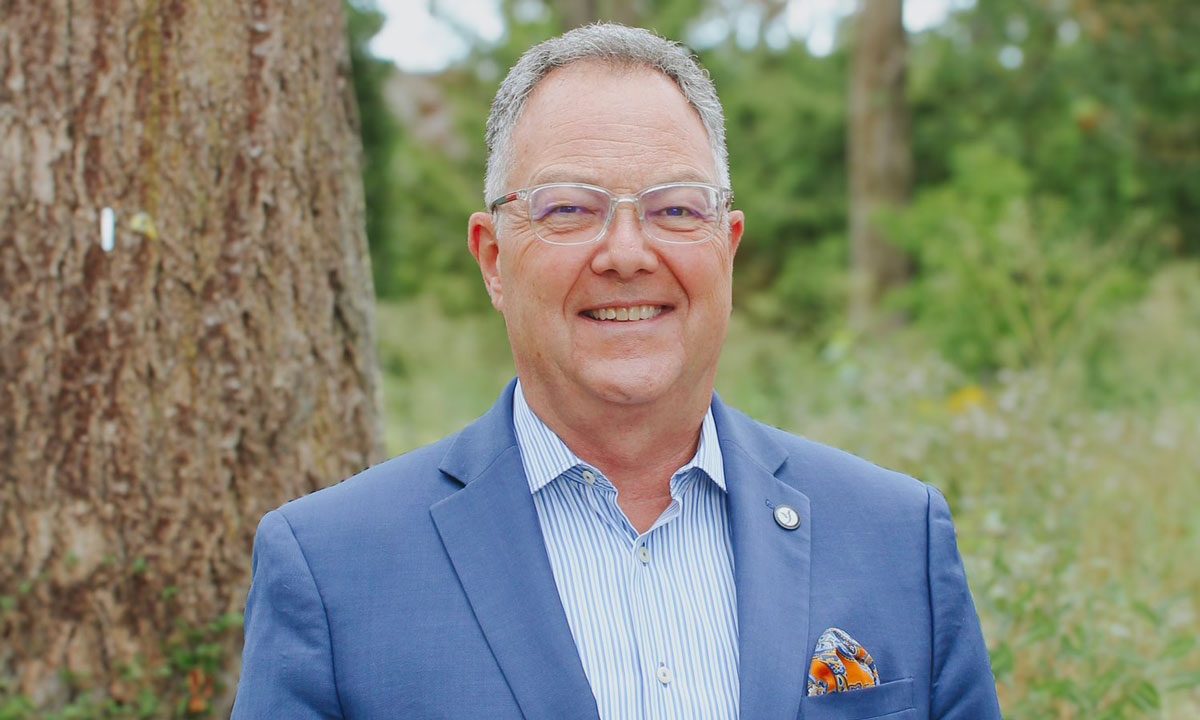
Blair Qualey
When most people think about the future of transportation, they picture electric vehicles, connected cars, autonomous driving technology and increasingly sophisticated software. Few stop to consider the people who will keep those vehicles safely on the road.
Yet one of British Columbia’s greatest automotive challenges is not building the next generation of vehicles. It is building the workforce capable of maintaining them.
Today’s automotive technician bears little resemblance to the mechanic of decades past. Modern technicians diagnose complex software, calibrate advanced driver assistance systems, repair high-voltage battery systems and work with some of the most sophisticated technology found in any industry. They are as much technology specialists as they are skilled tradespeople.
Unfortunately, British Columbia is not producing enough of them.
According to WorkBC, the province will require nearly 5,000 additional automotive service technicians, truck and bus mechanics and related repair professionals over the next decade. More than 2,000 automotive technician positions alone are expected to open over the next five years, while the Lower Mainland continues to experience a significant labour shortage.
Experienced technicians are retiring faster than they can be replaced, while increasingly sophisticated vehicles require higher levels of training and specialization. Dealerships, independent repair facilities, municipalities and commercial fleet operators are all competing for the same highly skilled workers.
Consumers are already noticing the impact. Service appointments can take longer to secure, and technicians qualified to work on the latest electric vehicles and advanced safety systems remain in particularly high demand.
Perhaps the clearest indication of the challenge can be found in British Columbia’s classrooms.
BCIT’s Automotive Technician Foundation programs are waitlisted, while apprenticeship classes are already full well into 2027. Vancouver Community College has reported registrations exceeding planned capacity, and Okanagan College advises prospective students to apply nine to 12 months in advance because upper-level apprenticeship programs are already full.
The issue is not a lack of interest. People want these careers. The training system simply cannot accommodate enough students quickly enough to meet demand.
BC’s new car dealers identified automotive skills training as one of their priorities in a submission to the provincial government’s 2027 budget consultation process.
The recommendation was straightforward: if British Columbia is serious about economic growth, affordability and the transition to cleaner transportation, it must also invest in the skilled workforce that will keep those vehicles operating safely for years to come.
That means developing a coordinated automotive workforce strategy involving government, SkilledTradesBC, post-secondary institutions and industry.
It means expanding foundation and apprenticeship seats where waitlists exist and providing stable, multi-year funding so colleges can increase capacity, recruit instructors and invest in training equipment that reflects today’s rapidly evolving vehicle technology.
Industry will continue doing its part. BC’s new car dealers invest millions of dollars every year in apprenticeships, manufacturer training and ongoing professional development. They remain committed to creating rewarding, well-paying careers in one of Canada’s most technologically advanced skilled trades.
But employers cannot solve a province-wide workforce challenge on their own.
Every British Columbian depends on qualified technicians to keep their vehicles safe, reliable and on the road. As governments encourage the adoption of electric vehicles and increasingly sophisticated transportation technologies, they must ensure the workforce exists to support them.
The demand is there. The students are there. The jobs are there.
Now British Columbia must ensure the training system is ready to deliver the skilled technicians our future depends on.
Blair Qualey is President and CEO of the New Car Dealers Association of BC.