The New Car Dealers Association of B.C. (NCDA) is urging the provincial government to tackle vehicle affordability, skilled-trades shortages and electric-vehicle infrastructure as it develops Budget 2027.
In a submission to the province’s pre-budget consultation process, NCDA President and CEO Blair Qualey said government policies should better reflect current market conditions and affordability concerns facing consumers.
“Affordability is one of the defining issues facing British Columbians today,” said Qualey. “Whether it’s the cost of purchasing a vehicle, accessing qualified service technicians, or making the transition to electric vehicles, government policy needs to support consumers and reflect today’s realities. Budget 2027 presents an opportunity to address these challenges while supporting a stronger and more sustainable automotive sector.”
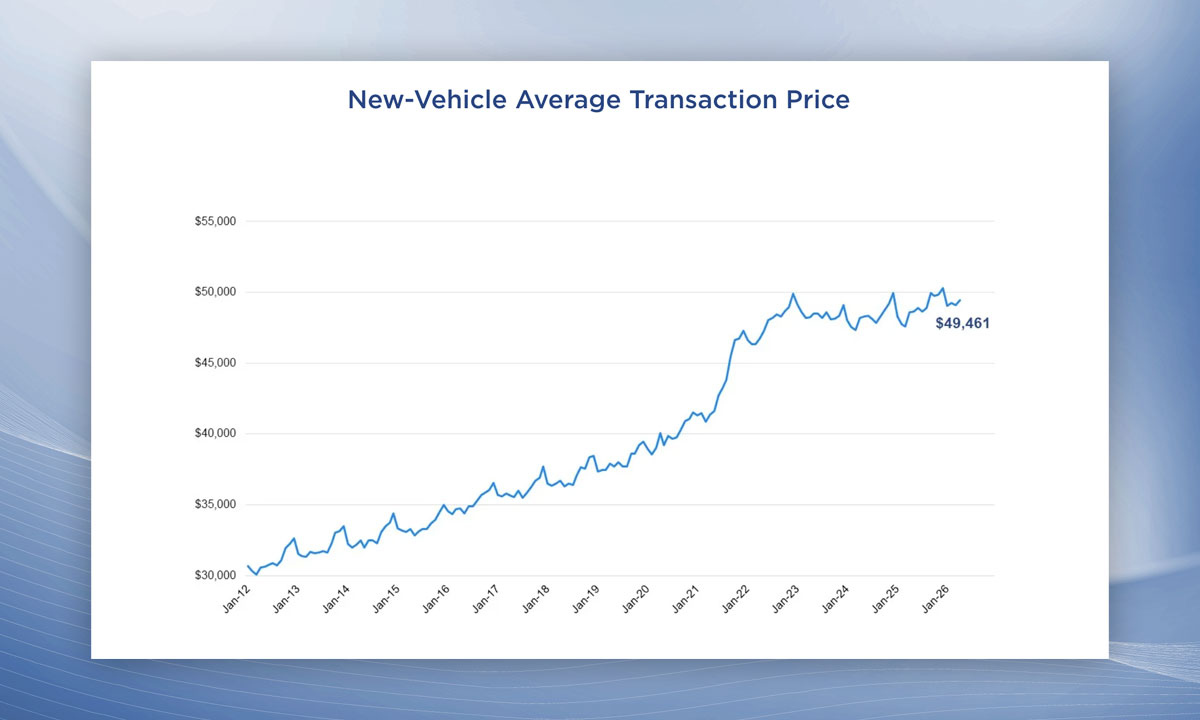
One of the association’s key recommendations is reforming B.C.’s Luxury Vehicle Tax. The tax threshold has remained at $55,000 for 15 years, while the average price of a new vehicle now exceeds $66,000, according to the NCDA. The association argues that many family-oriented SUVs, vans and pickup trucks are now captured by a tax originally intended for luxury vehicles.
The NCDA is also opposing the planned expansion of the Provincial Sales Tax to professional and security services, saying dealerships rely increasingly on security measures to protect employees, customers and inventory.
The association also highlighted workforce concerns, noting B.C.’s automotive sector could face a shortage of about 20,000 workers over the next decade. It is calling for increased funding for automotive trades training, expanded post-secondary program capacity and more electric-vehicle-specific training opportunities.
On electrification, the NCDA said more than 222,000 EVs are operating on B.C. roads, supported by roughly 2,400 public DC fast-charging ports. The group is urging further investment in charging infrastructure and seeking clarity on the province’s revised Zero-Emission Vehicle mandate framework, which has yet to be finalized.