
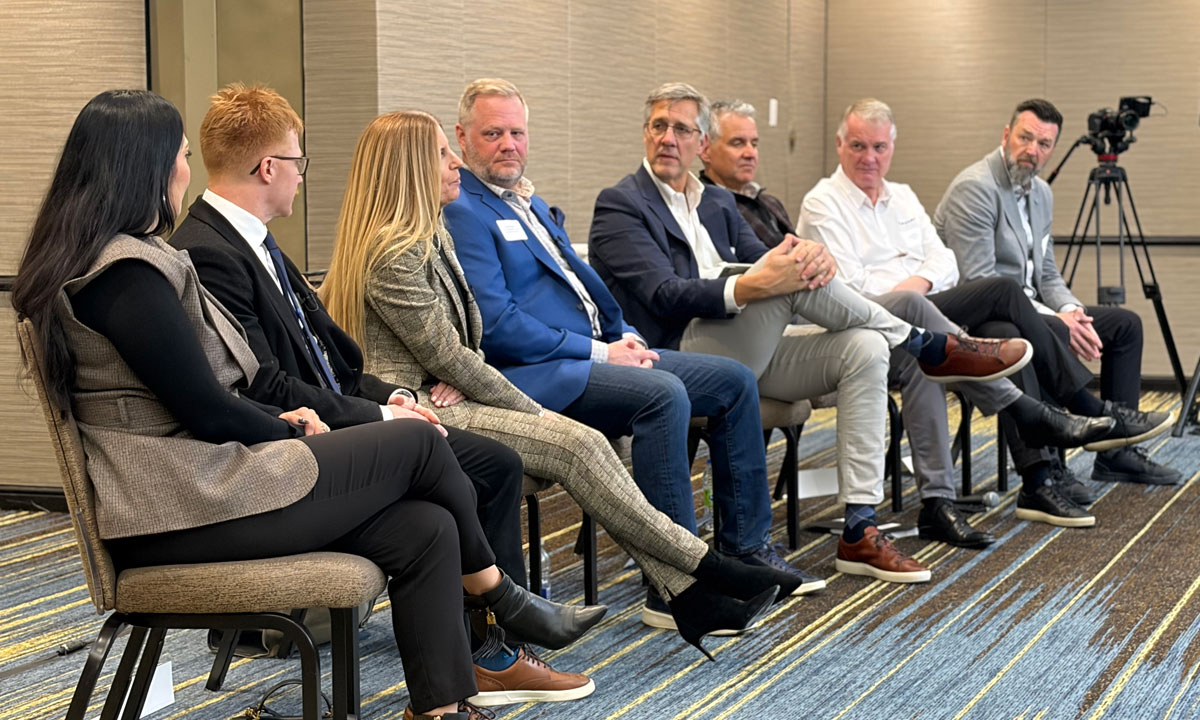
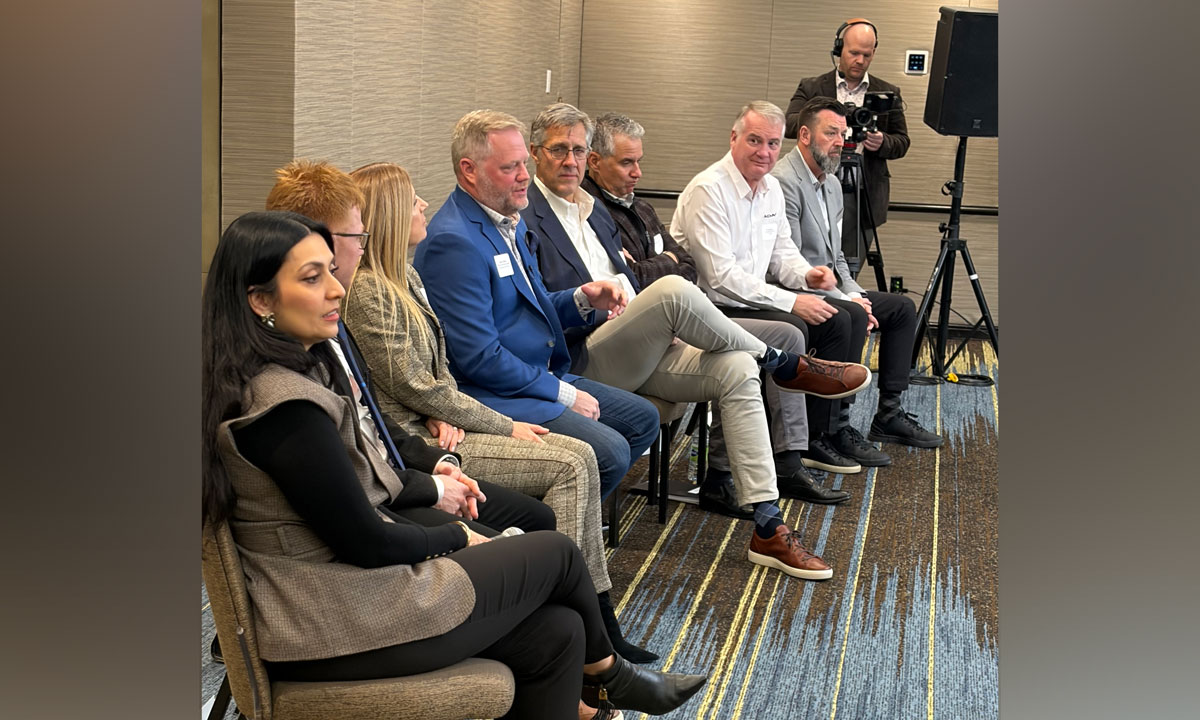
In a meeting room at the InterContinental Toronto Centre, on the eve of when the CADA Summit and the Canadian International AutoShow were set to begin, current industry leaders and future ones sat across from each other for a candid exchange about leadership, culture and building a career in automotive retail.
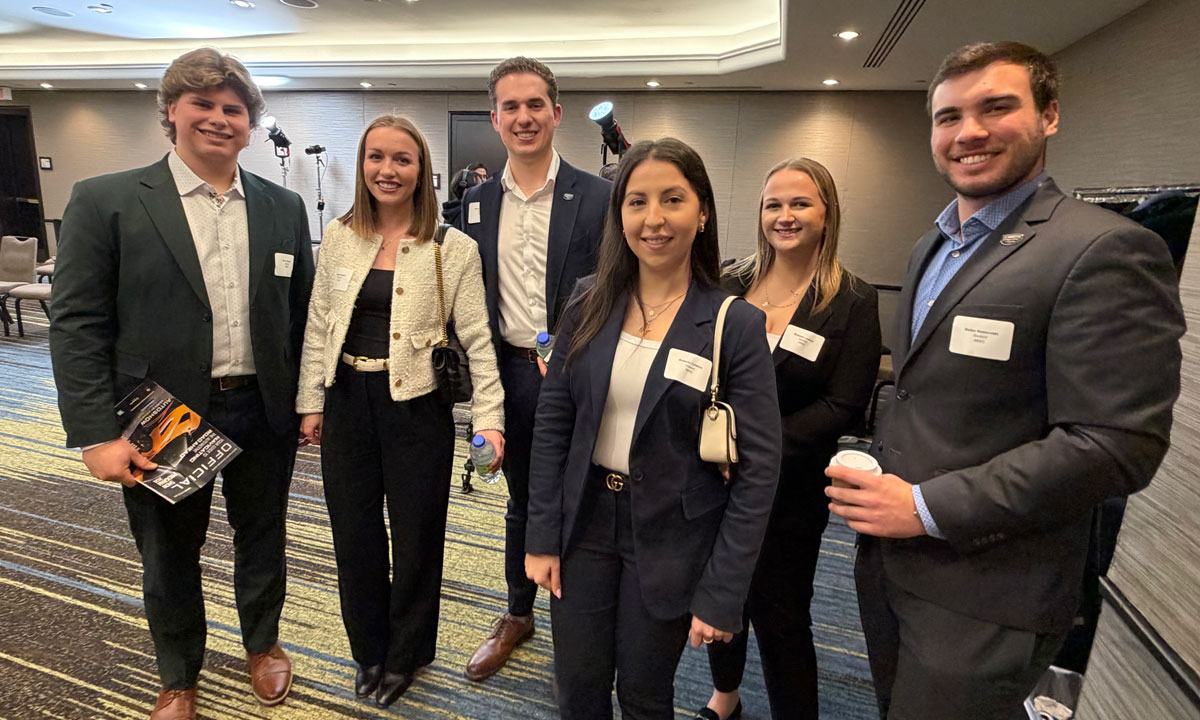
The occasion was Empowering Tomorrow – Laureates Engage in Dialogue with ABSC Students, a new CADA initiative that brought together the 2025 CADA Laureate Award winners with more than a dozen Automotive Business School of Canada (ABSC) students for an extended discussion and moderated Q&A.
The session was fully videotaped, with cameras, lights and microphones positioned around the room. CADA plans to use the footage to capture insights from the discussion and share them more broadly in the future. Surrounded by recording equipment — and, in some cases, potential future employers — the ABSC students were relaxed, confident and prepared to take full advantage of the access.
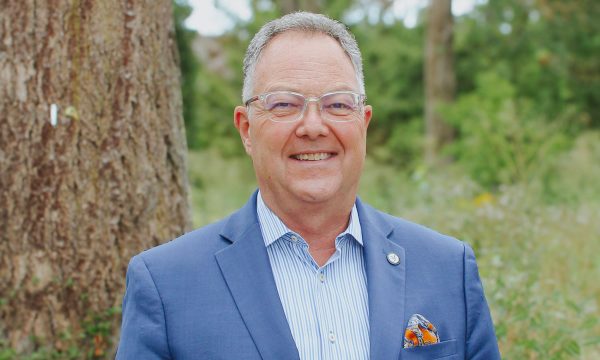
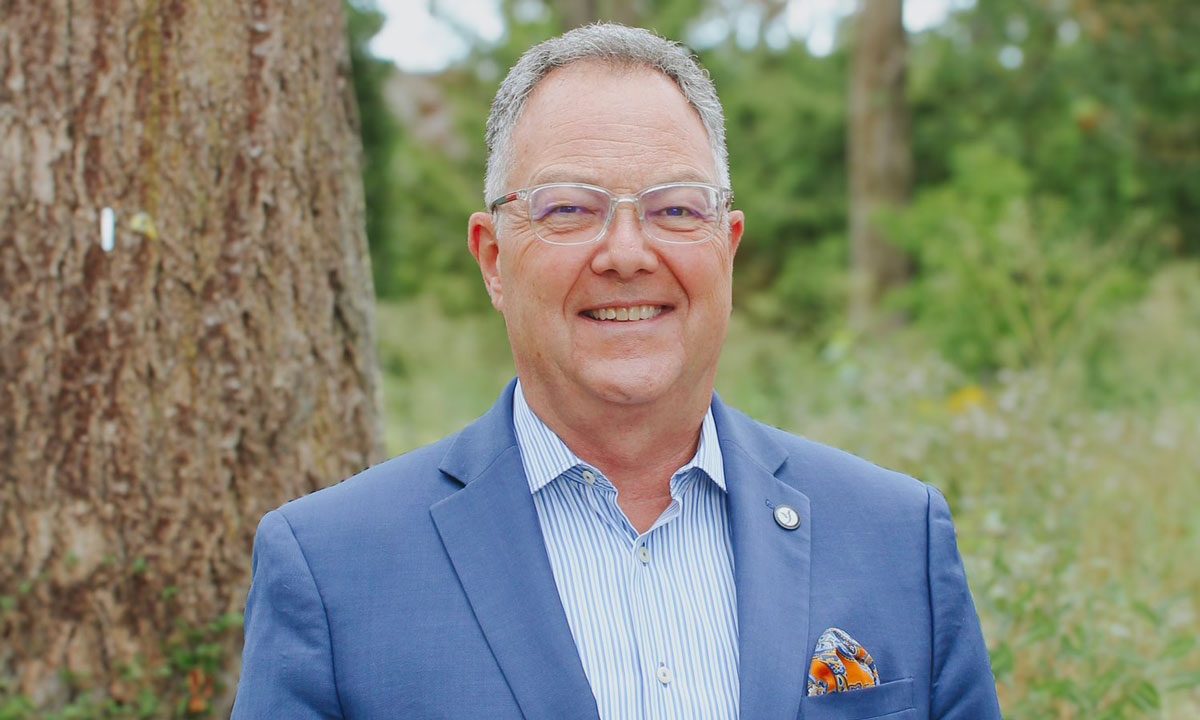
Moderated by Canadian auto dealer publisher Niel Hiscox, the session featured 2025 CADA Laureates Brent Ravelle (Ambassadorship), Annie Laliberté (Retail Operations) and Michael Wyant (Business Innovation).
The program was sponsored by iA Dealer Services, exclusive sponsor of the CADA Laureate Awards. Also in attendance were Yasaman Moghaddam, VP National Sales and Distribution, iA Dealer Services, CADA Chair Michael Croxon, CADA President and CEO Tim Reuss, and ABSC Executive Director Jason Dale.
CADA Laureates reflect on careers
The CADA Laureates began by outlining the paths that shaped their careers, underscoring that there is no single route to leadership in automotive retail, but that credibility is earned through experience.
Laliberté described working across nearly every department in a dealership before moving into senior leadership roles.
“Everything that can be done in a dealership, I did,” she said, adding that understanding the work firsthand changes how leaders relate to their teams. “When you sit down as a general manager and an owner and you know what that person is doing and what they’re going through… you have credibility.”
Ravelle reflected on starting in fixed operations and working toward ownership, crediting education and persistence.
“Nothing’s given to you. You’ve got to figure it out,” he said. “There’s opportunities that will present itself, and if you think it through, you can make it your success.”
Wyant, a second-generation dealer whose father is also a CADA Laureate, spoke about growing up in the showroom and later returning to the business after completing ABSC and co-op placements. As his family’s dealership group expanded, his leadership focus shifted toward sustainability and employee development.
“Our employee retention is a metric that we manage first and foremost,” said Wyant. “We looked at employee retention percentages per rooftop, and then we compared it with net profit.”
He said the results were striking. “When your employee retention is 85 per cent or higher in a given year, your profitability is exactly what you want it to be and more.”
Understanding that relationship has become central to how his group operates. “Supporting them and keeping them… has become really the lifeblood of what we do.”
What dealers need from the next generation
Student questions quickly turned to the realities of hiring and leadership in a rapidly changing environment, shaped by technology, economic swings and shifting consumer expectations.
Wyant emphasized adaptability. “You’ve got to be adaptable,” he said. “You’ve got to be open to learn and try new things.”
He added that roles inside dealerships will continue to evolve. “The conventional definition of what your role is in a store… it could change and evolve and you just got to roll with it.”
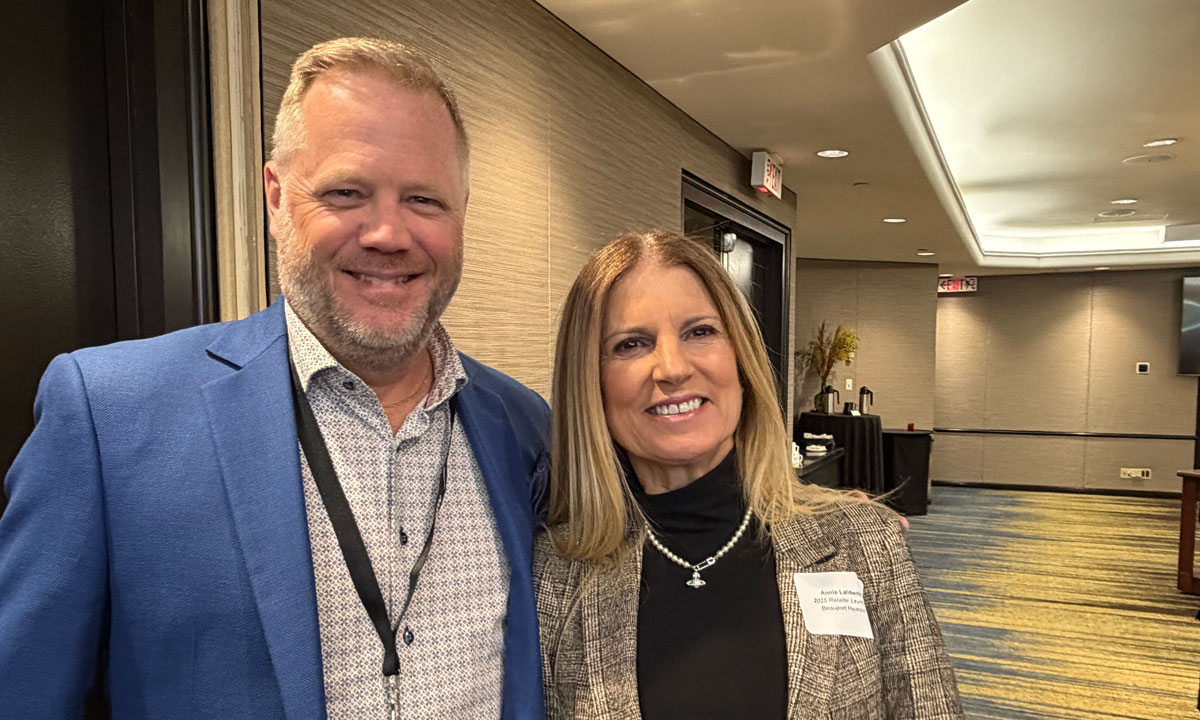
Brent Ravelle and Annie Laliberté
Ravelle focused on attitude as the differentiator. “To me, it’s attitude,” he said. “We can train on a lot of things.”
He noted that technology may accelerate change, but it doesn’t replace the fundamentals. “I don’t care what technologies we have there,” Ravelle said. “It’s the attitude of the individual within that store that makes a difference if something’s successful or not.”
He also spoke about leadership creating room for learning. “I’ve seen some pretty big dollar mistakes,” said Ravelle. “But they’re mistakes. Everybody’s got to make a mistake. It’s how you deal with it.”
Laliberté framed the next generation’s value through mentoring — and being open to learning from new employees.
“Everyone who gets on board can teach me something,” she said. “I will actually learn from them as much as I can give them.”
She added, “Mentoring is my whole life actually. And the employees at our place don’t even know that they’re my mentors.”
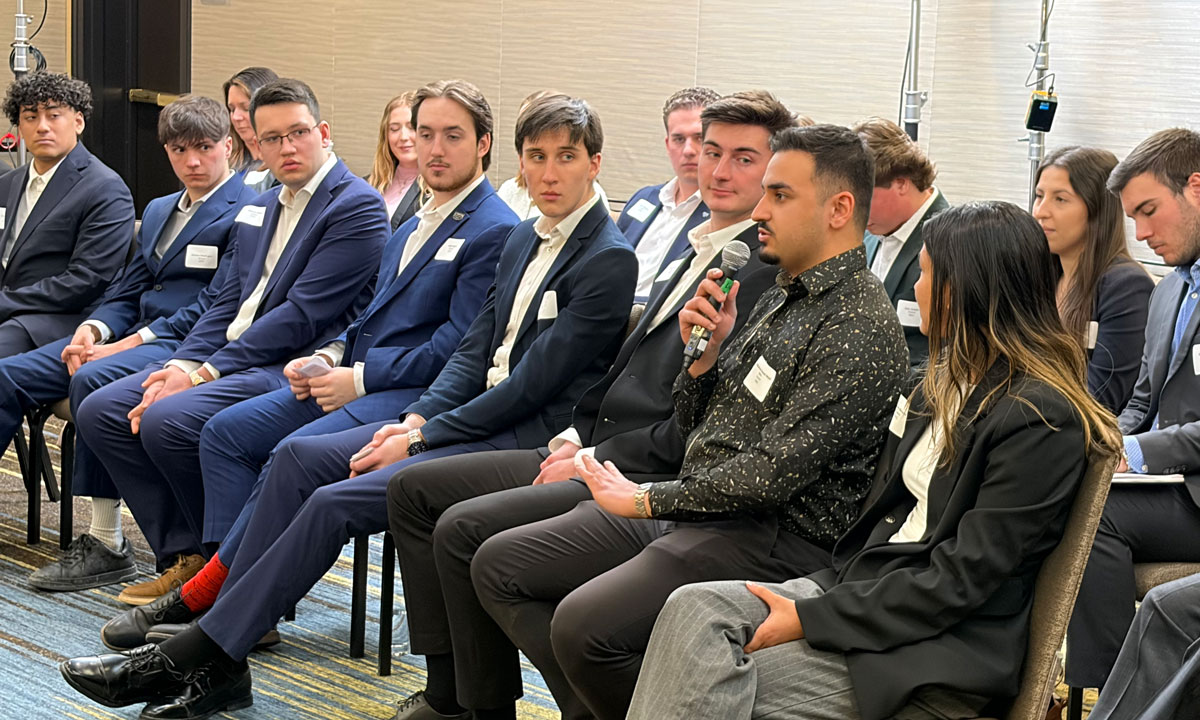
Students ask about setbacks and resilience
One student asked the CADA Laureates about the toughest points in their careers and how they pushed through.
Wyant shared an early lesson from his ABSC days. “It was the first time in my life that I didn’t achieve the goal I had set out to do,” he said, referring to an application he didn’t get. “I screwed up my interview. I wasn’t prepared.”
The experience reshaped how he approached opportunities. “I never showed up to something I wanted ever again without being prepared,” said Wyant. “I didn’t expect to get what I wanted just because I thought I should get it.”
Laliberté spoke candidly about facing skepticism early in her career as a woman in service. “Nobody wanted to talk to me,” she recalled of customers who wanted to talk with male service advisors instead of her. “So I almost gave up on my entire career because I didn’t think I would make it.”
What carried her forward was persistence and transparency. “Customer satisfaction always wins,” she said.
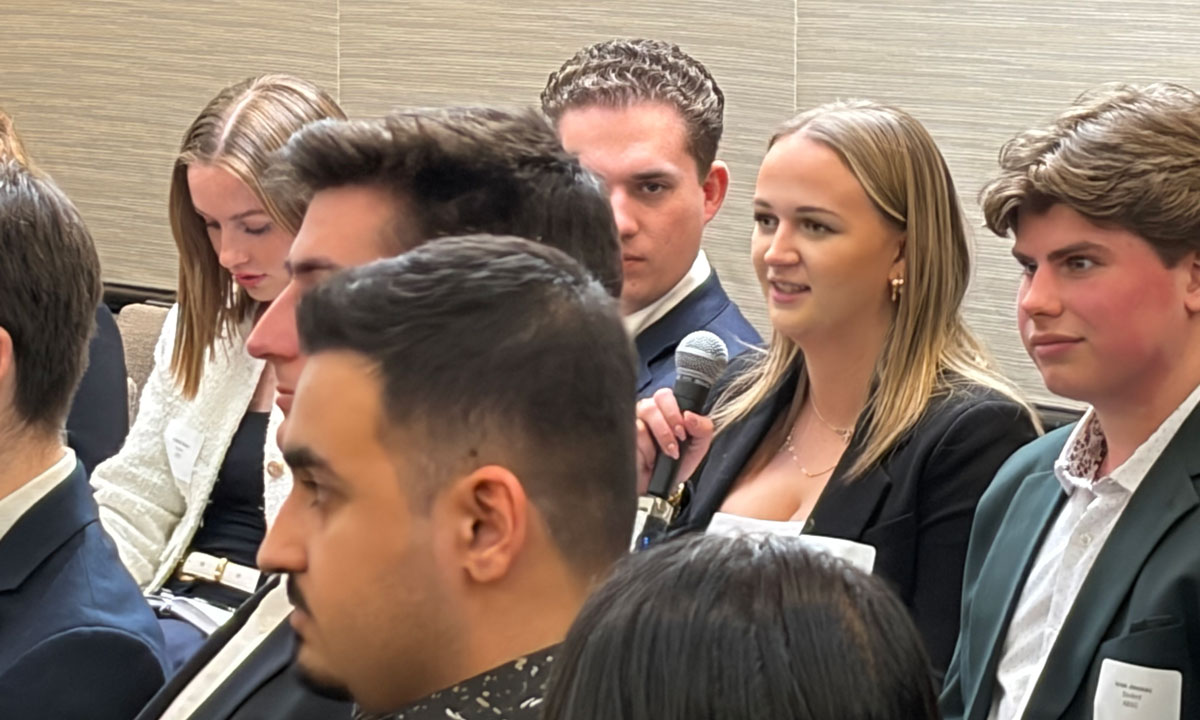
Retention, culture and the “people side” of the business
Questions on retention and workplace culture produced some of the most detailed discussion of the afternoon.
Wyant described the employer’s responsibility clearly. “Our responsibility as an employer is to build an environment where employees are excited to come to work,” he said.
He pointed to a foundational principle: “Our business is built on mutual trust and respect.”
Leadership development, he added, is continuous work. “I just had a half a day session on conflict management with my senior leadership team,” said Wyant, noting that even experienced operators benefit from refreshers. “Being a leader does not mean being right.”
Laliberté shared a smaller-store perspective, emphasizing closeness and ritual. “Every Friday… I have a beer in the shop,” she said, describing how informal routines bring departments together.
Ravelle returned to the importance of listening. “If you’re not listening, if you’re telling or you’re directing… it makes it that much more difficult,” he said. “You’ve got to listen to your people.”
Advice: don’t skip steps
Asked what mistakes young professionals often make, Laliberté cautioned against rushing advancement. “Missing steps — wanting to go too fast,” she said. “When you sit down… and you know what that person is doing… you have credibility.”
Wyant offered a framework from a favourite leadership author: “be humble, hungry and smart.”
“Smart is not your intelligence,” he said. “Smart is your ability to interact with people, to meet them on their level, to find common ground.”
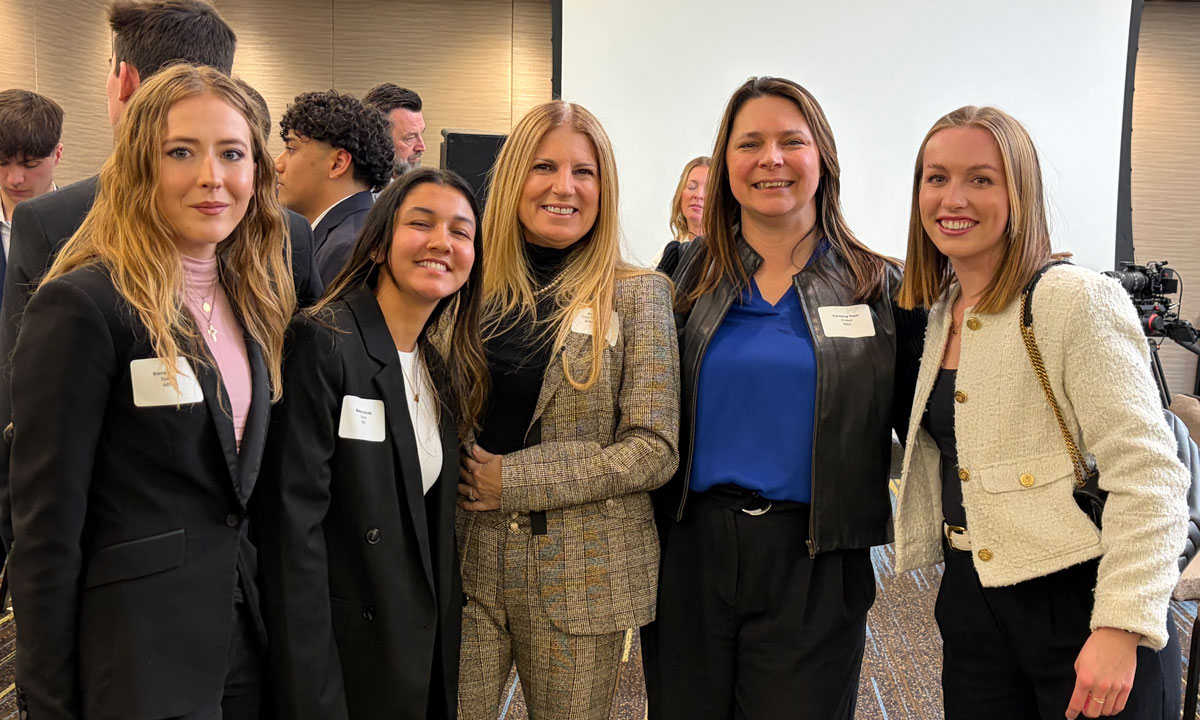
Conversations continued after the microphones were off
When the moderated portion ended, the room stayed active. Students approached the CADA Laureates and other industry leaders with follow-up questions. Business cards were exchanged. Informal conversations continued in small circles.
Several students sought advice about co-op placements or long-term career direction. Others discussed leadership philosophy, retention strategies and the realities of managing through change.
In an industry that often talks about developing talent from within, Empowering Tomorrow offered a practical example: experienced dealers willing to share hard-earned insight, and students prepared — and confident — enough to ask.