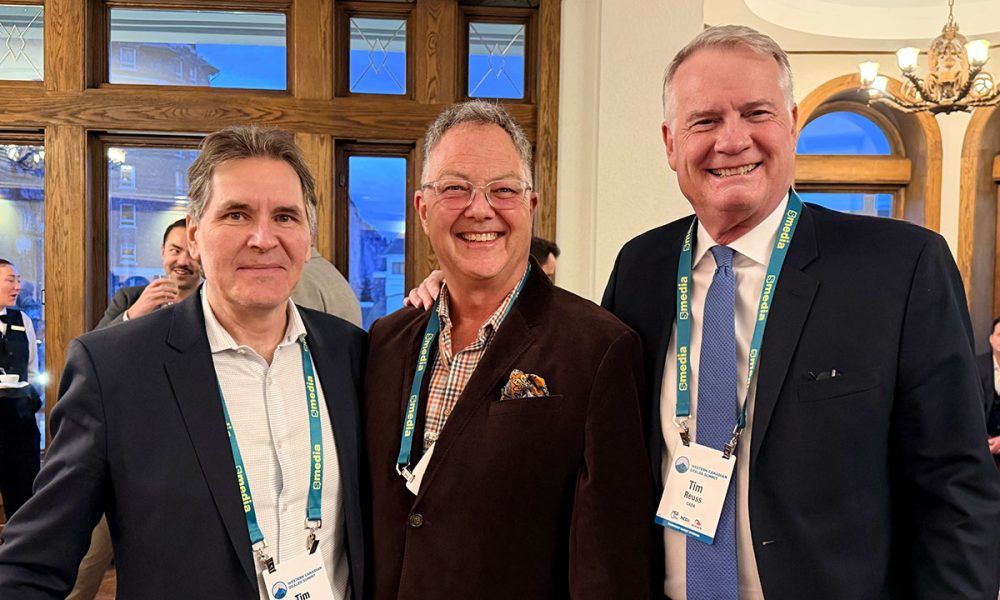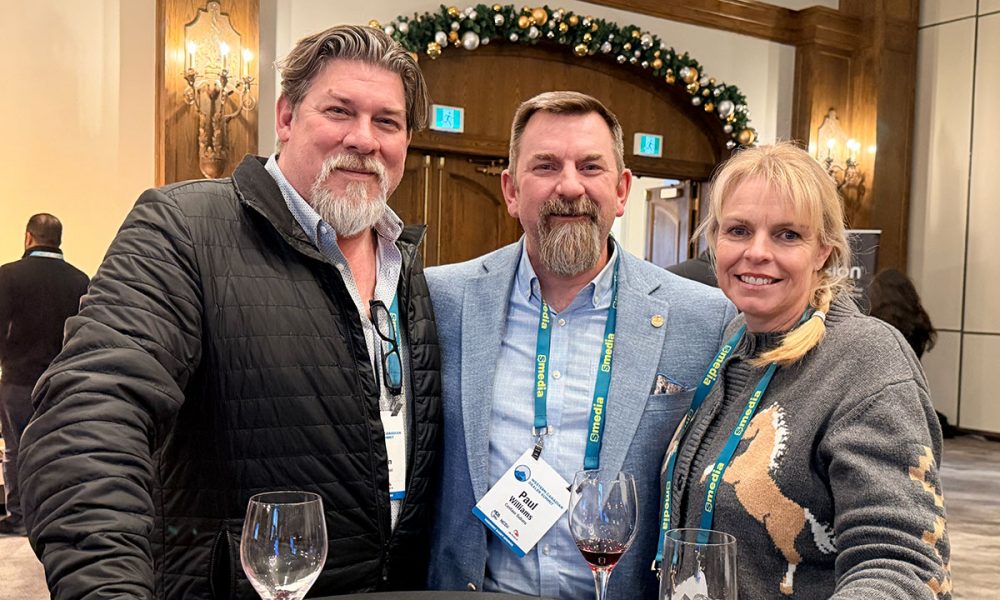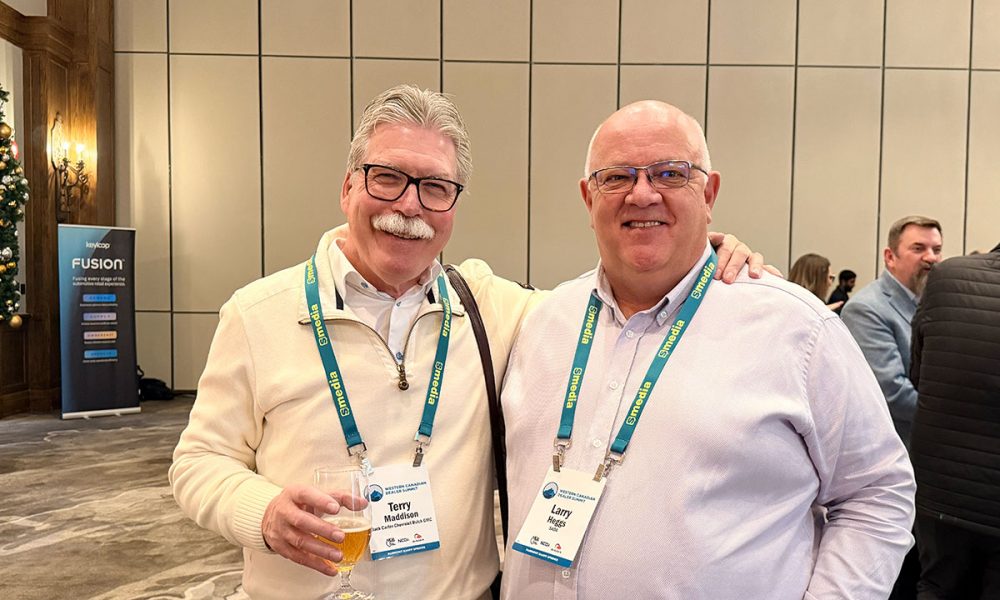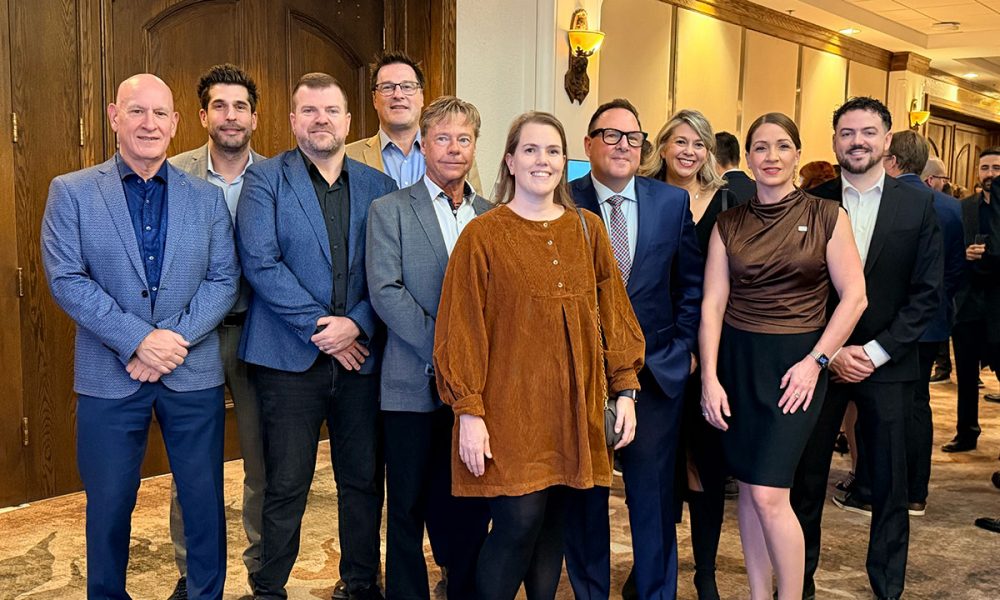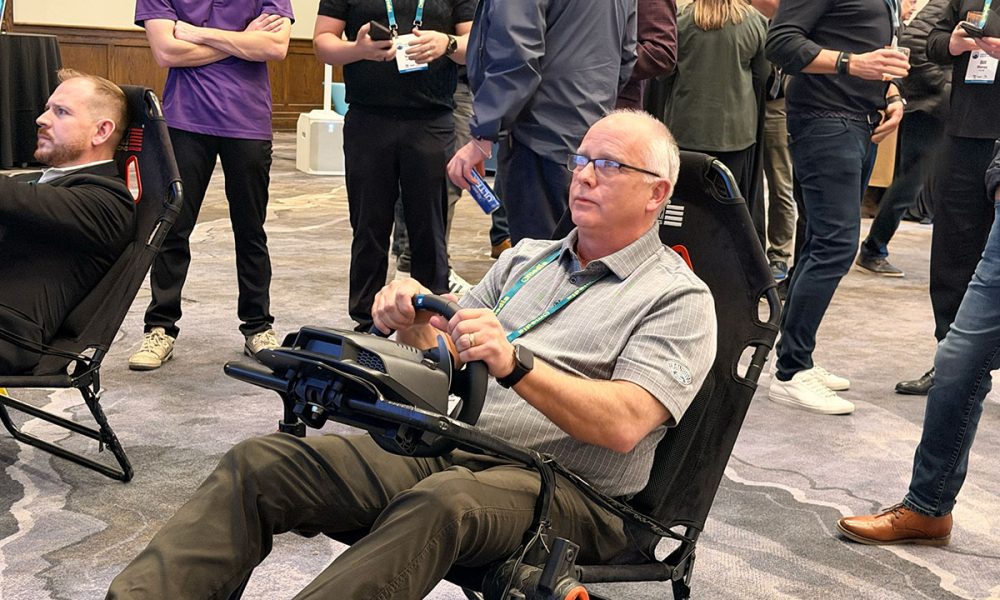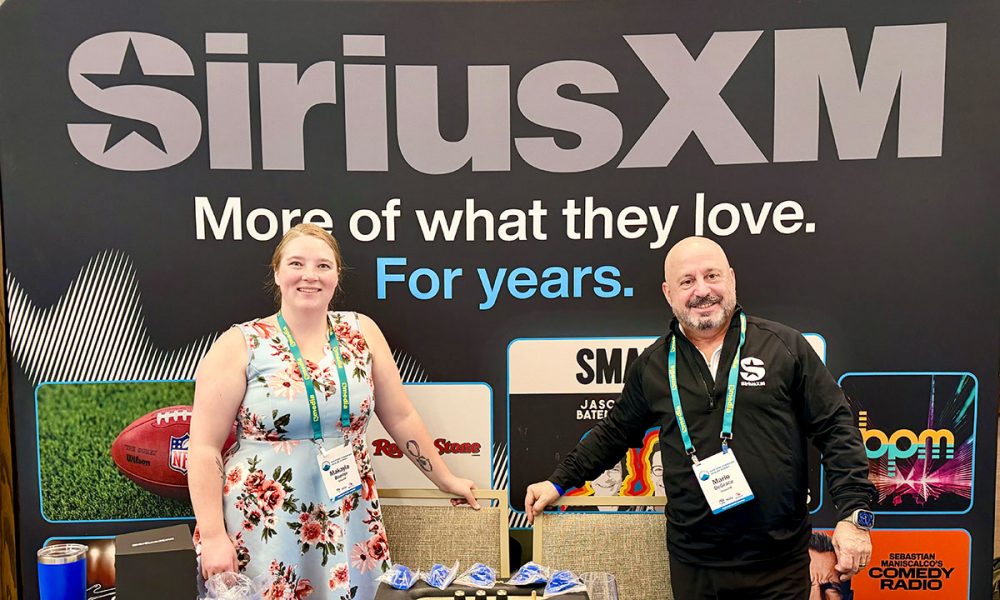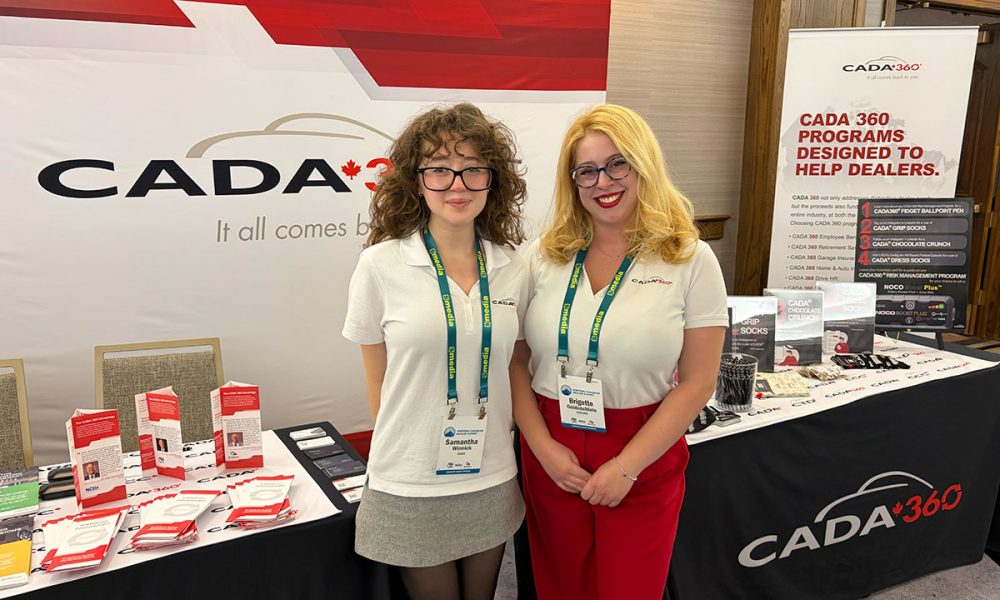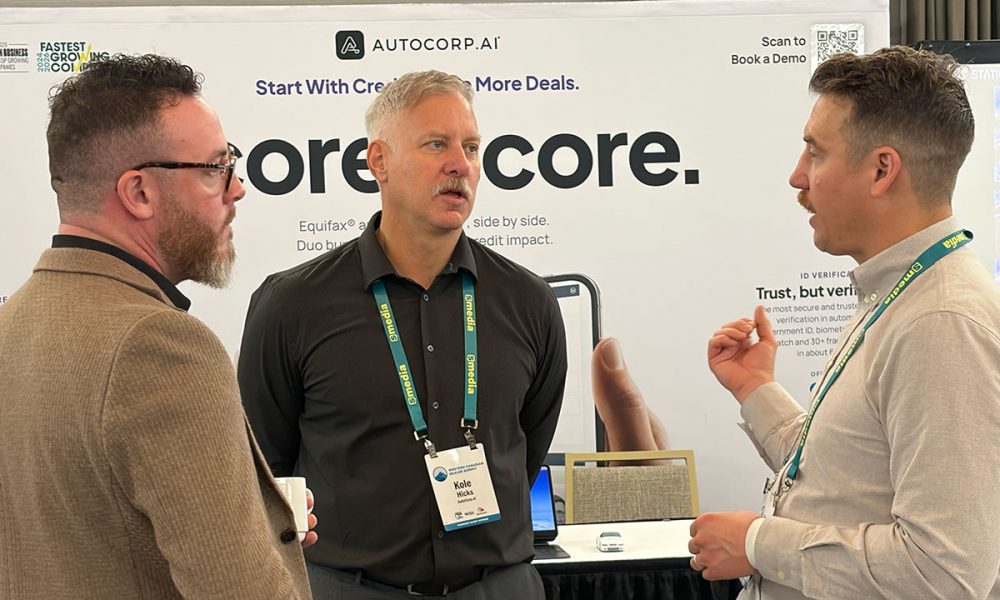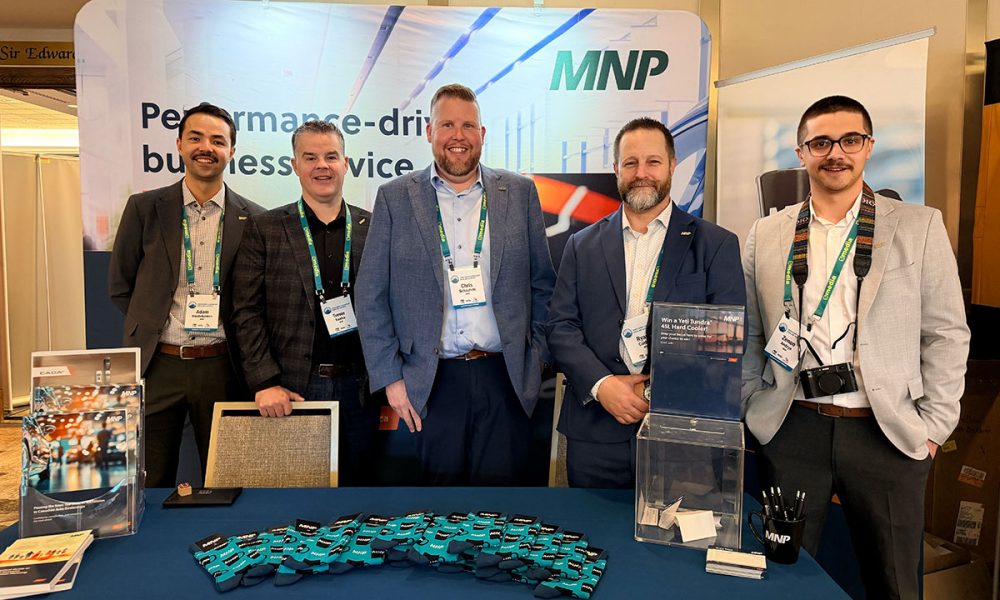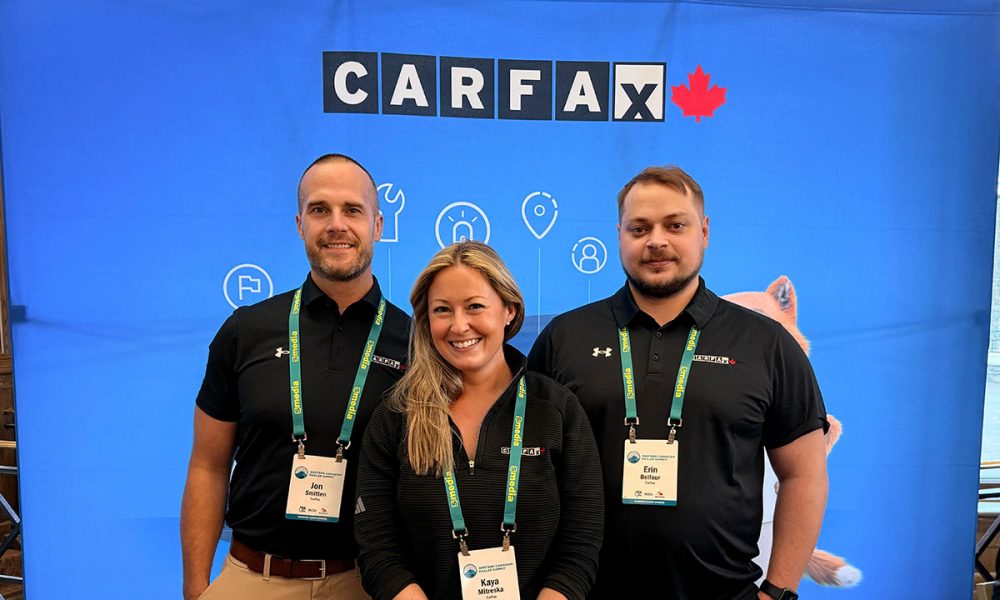
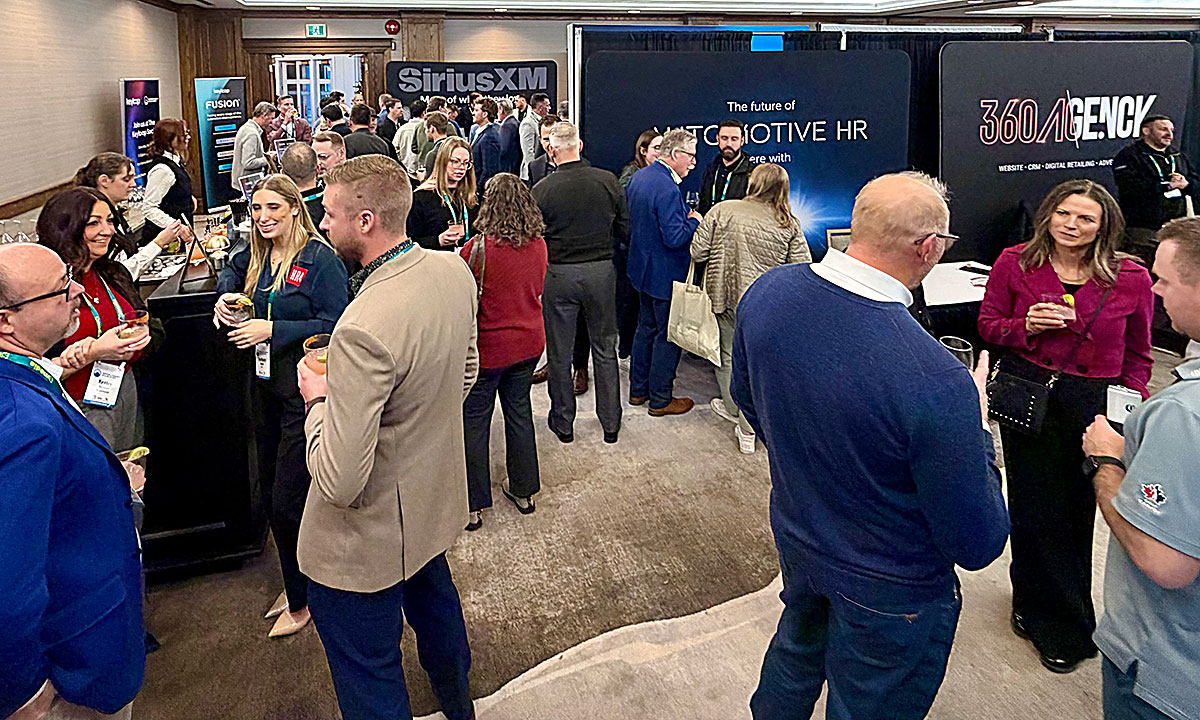
The Western Canadian Dealer Summit returned to the Fairmont Banff Springs with another strong turnout, just shy of last year’s record, and a packed two-day program of keynotes, workshops and dealer panels.
Held November 12–15 and co-hosted by the Motor Dealers Association of Alberta, Saskatchewan Automobile Dealers Association and New Car Dealers Association of BC, the event featured a sold-out supplier exhibit hall. Friday’s sessions explored Chinese automakers, technician shortages and dealership operations before delegates gathered for a lively western-themed social evening in downtown Banff.
Under the theme “Master the Shift,” the summit brought dealers from across the West together with suppliers and industry leaders to exchange ideas about a changing retail business. Gerald Wood, President of the Motor Dealers Association of Alberta, said dealer attendance was just shy of last year’s record, while supplier and sponsor participation increased. The expanded exhibit area included 58 sponsors.

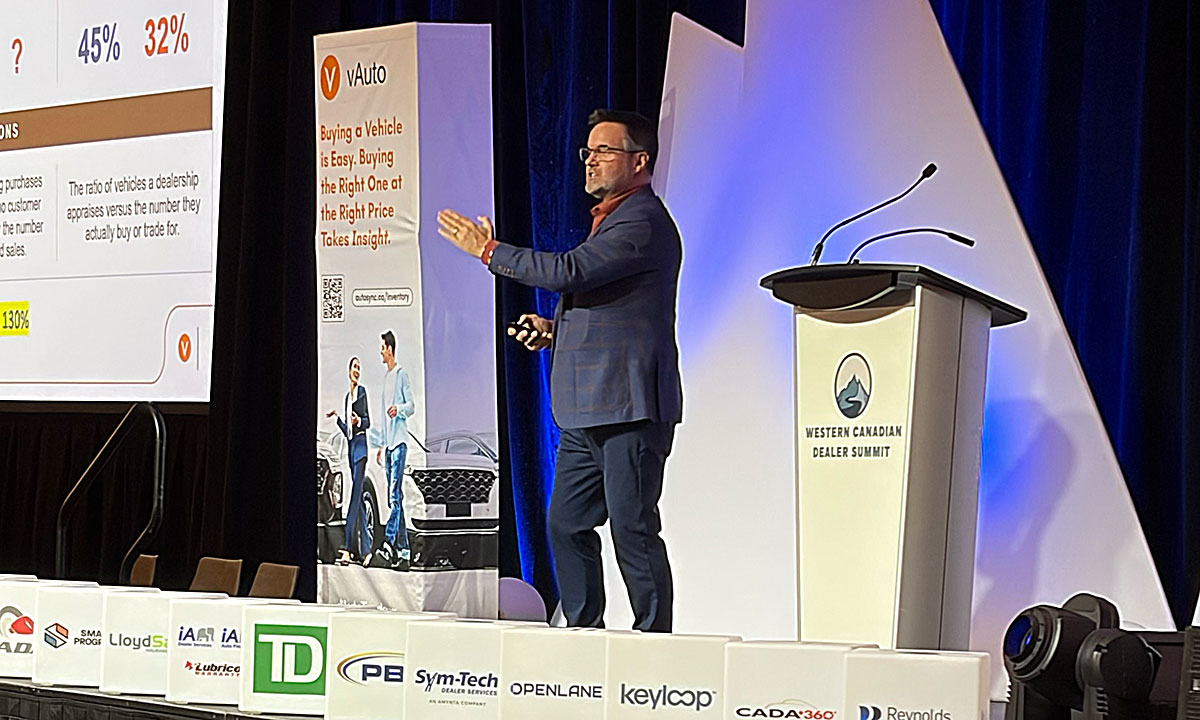
Following a dealer-only CADA industry affairs update, the breakfast keynote, sponsored by AutoTRADER.ca, featured Patrick Janes, AVP, vAuto, Cox Automotive, who examined ways dealers can acquire more used vehicles directly from consumers.
His message was that dealers need to document every appraisal, track missed opportunities and take a more active approach to acquiring vehicles through the service drive. “It is a race to the customer,” he said.
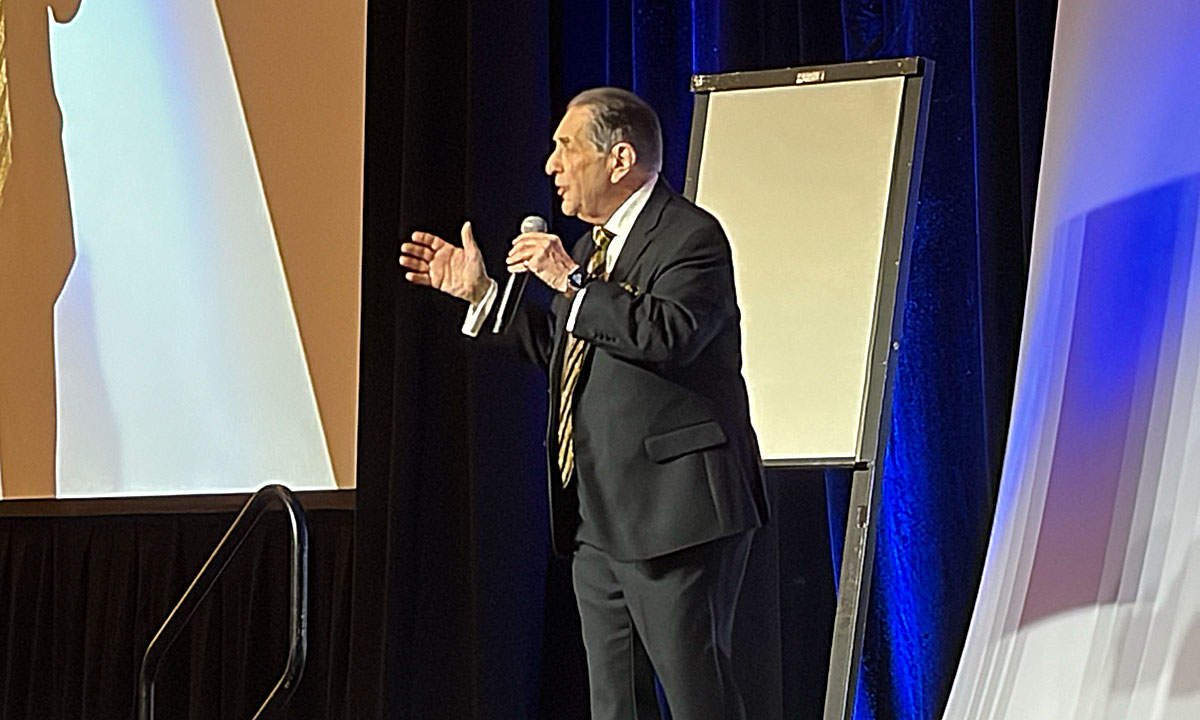
Harvey Cohen of First Canadian Financial followed with a back-to-basics appeal for stronger sales training, prospecting and personal relationships instead of relying entirely on digital leads.
China: opportunity or threat?
The arrival of Chinese automakers was also a hot topic. Gerald Wood has a conversation with Todd Mechalchuk, an M&A executive with Dealer Direct Canada who has worked with Chinese manufacturers exploring Canadian retail partnerships, who said they want established dealers with capital, suitable facilities and the ability to make decisions quickly.
Personal relationships and demonstrations of respect are important in those discussions, he said. But even dealers who attract a manufacturer’s interest should temper their expectations about timing: certification, import permits and vehicle allocations still have to be resolved.
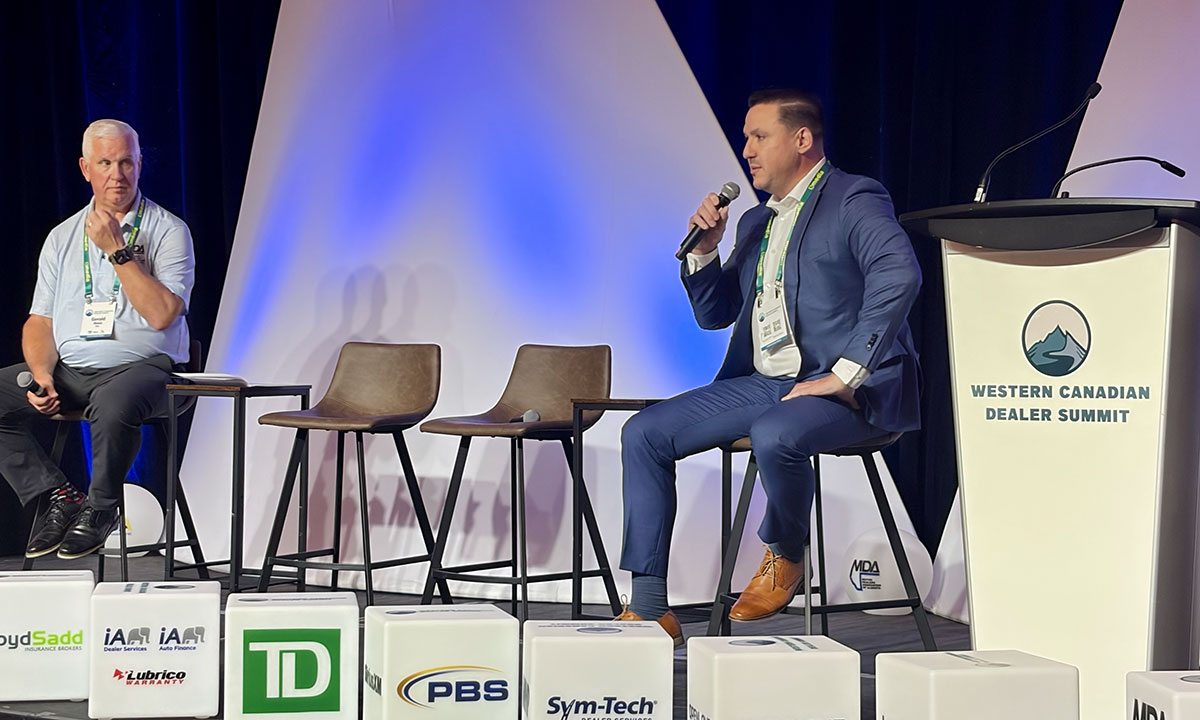
“The bottom line is that they’re coming,” said Mechalchuk.
Wood urged dealers to examine the economics behind the opportunity. With an initial import allocation of 49,000 vehicles across the industry, how many units could an individual franchise realistically sell? And without an established service base, how would it generate enough fixed operations income?
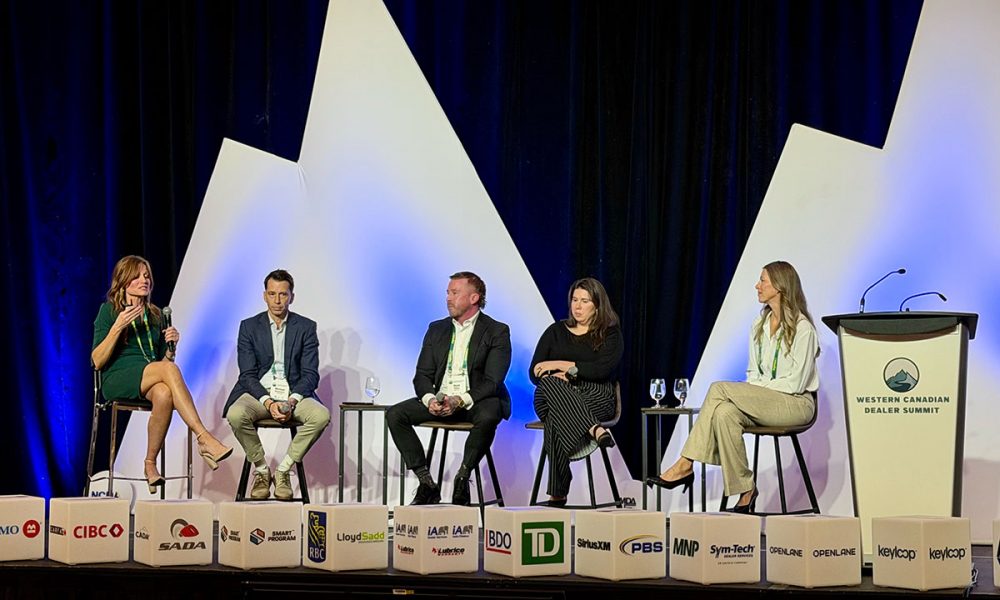
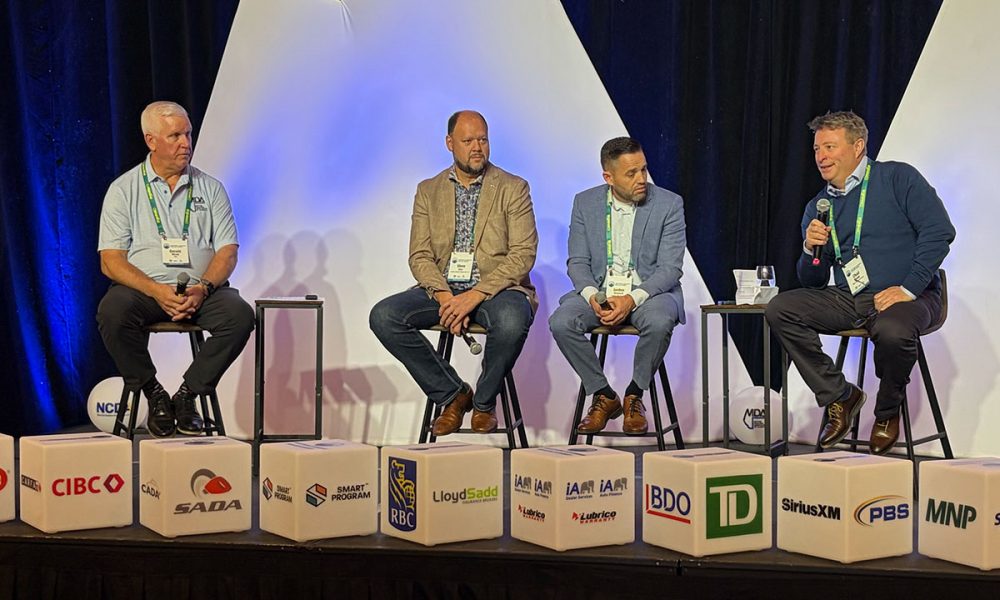
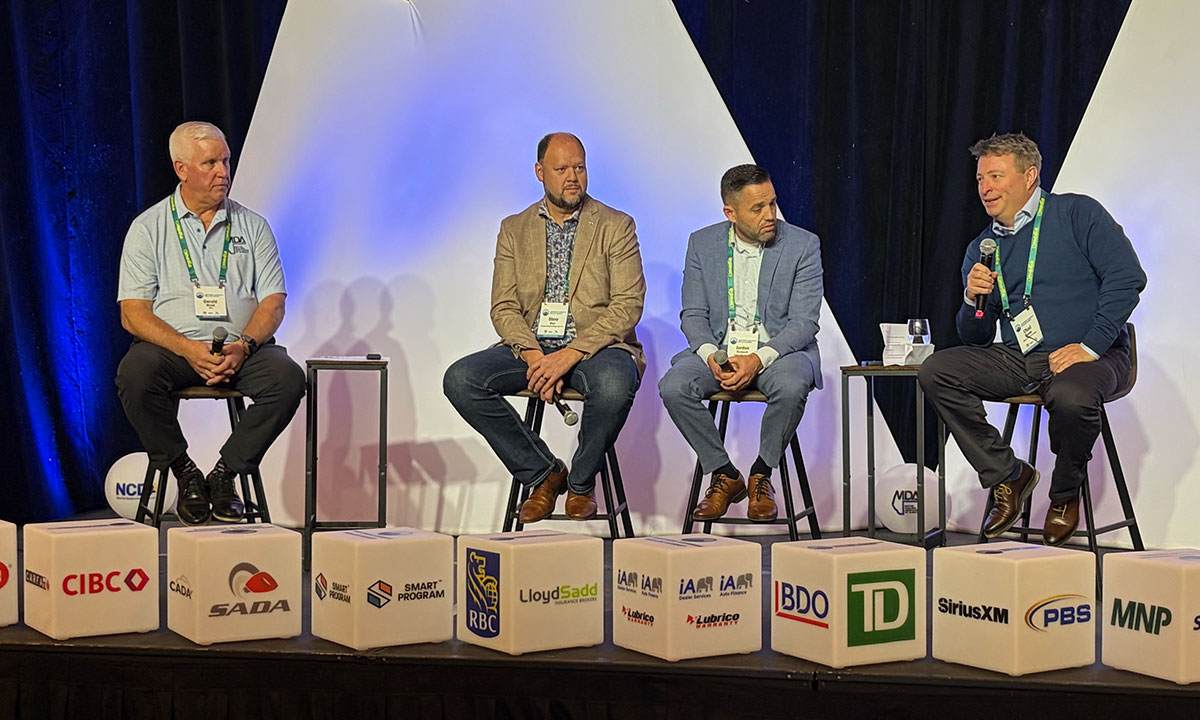
The Chinese OEM discussion then shifted to a dealer panel featuring Chad Taylor, President and Co-Owner of Taylor Automotive Group in Saskatchewan; Jordon Romeril, General Manager of Country Hills Hyundai in Calgary; and Steve Darr, Dealer Principal of Brown’s Chrysler Dodge Jeep Ram in Westlock, Alta.
Romeril, who visited China as a guest of Chinese OEM Chery, described manufacturers with advanced technology, considerable resources and a determination to make an impression. He likened their ambition to that of Korean automakers, while pointing out that established brands already have major advantages in parts, warranty support and knowledge of Canadian consumers.
He expects initial expansion to concentrate on major cities before reaching smaller markets. “This isn’t tomorrow, but it’s also not five years away,” said Romeril.
Darr said smaller-market dealers have weathered disruption before and will have to adapt again. Taylor said strong customer experience will remain a critical defence for existing franchises, but he also questioned whether the financial case for a new brand has been made.
Asked what would convince him to become a Chinese-brand dealer, Taylor’s answer drew a laugh: “Gross profit.” He said he had little appetite for spending millions on a facility only to lose money during the early years of building a new franchise.
For Romeril, the unanswered questions include dealer count, product allocations, parts availability, warranty support and the ability to service customers. A new franchise, he suggested, could be a long-term investment rather than an immediate profit centre.
A tougher market for dealers
CADA Chair Craig Dunn opened the afternoon with an overview of the association’s advocacy amid shifting trade and government policies. “We are witnessing profound political change,” said Dunn, stressing the importance of a strong dealer voice as conditions evolve.
Damon Egan of Sherwood Ford challenged traditional fixed operations thinking in “The Service Manager’s Playbook: How Data Wins in the Service Drive.”
He said dealerships need to make service more convenient rather than expecting customers to wait weeks for an appointment. His store handles about 1,100 valet pickups a month, he said, and he urged dealers to rethink scheduling, employee incentives and familiar processes that no longer serve customers.
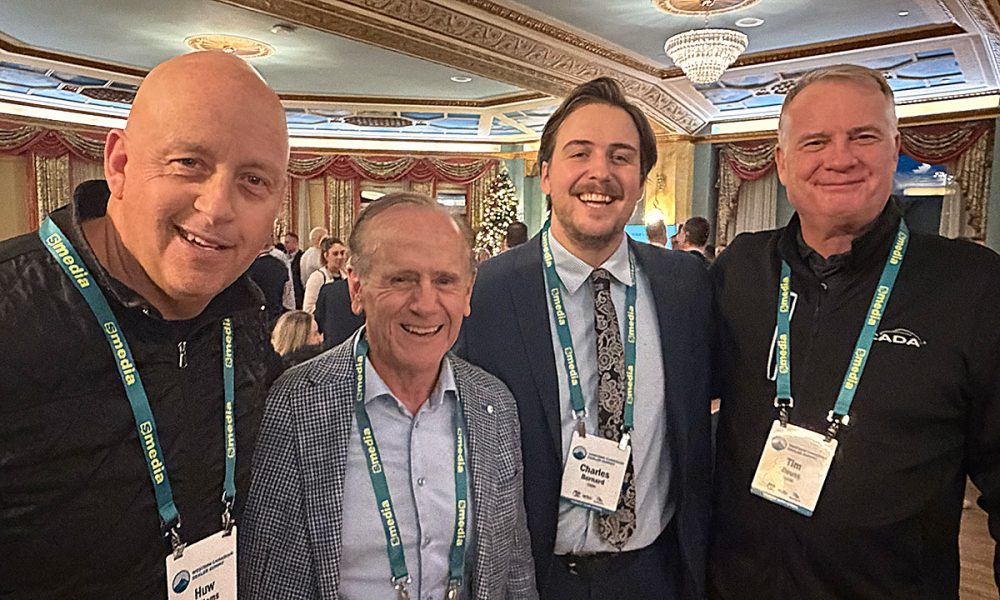
CADA Chief Economist Charles Bernard
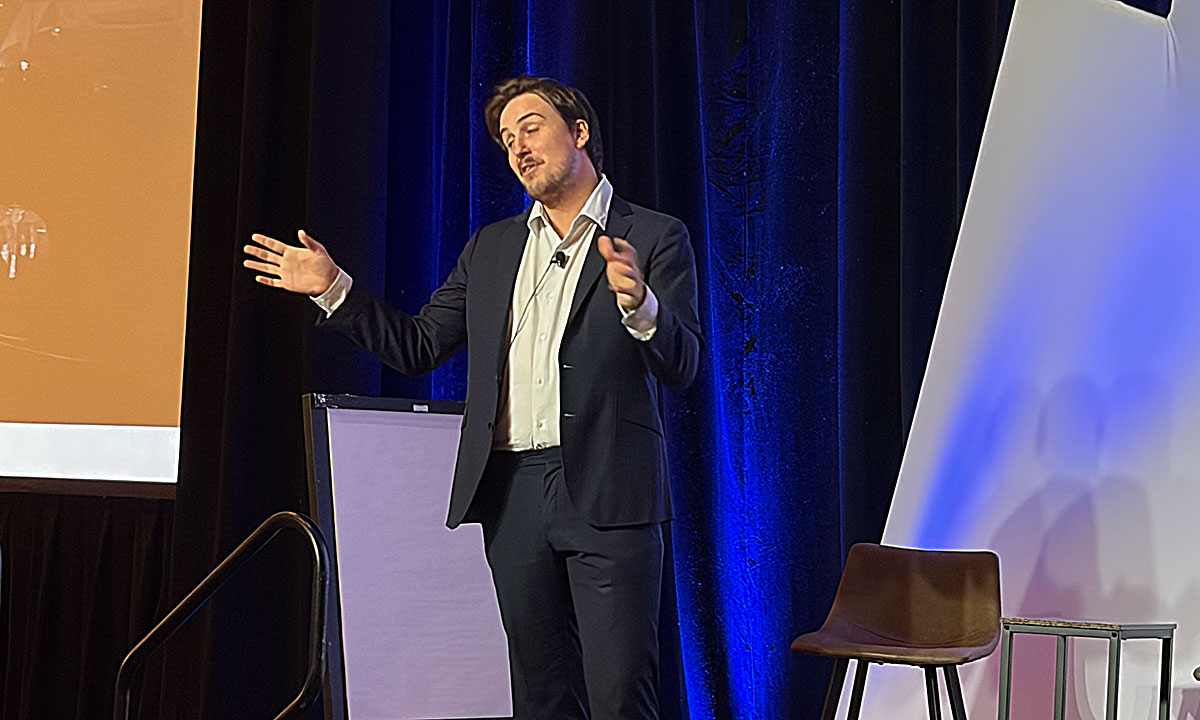
CADA Chief Economist Charles Bernard then put the operating challenges into a broader economic context. He said the Canadian vehicle market is essentially flat, down about 0.7 per cent year-to-date compared with 2025, although recent months have shown modest improvement.
“It’s not a crisis market whatsoever,” said Bernard. But after several years of growth that largely tracked population increases, slower immigration means dealers can no longer count on a steadily expanding pool of customers. The size of the pie may not change much, he suggested, making differentiation and customer retention more important.
Affordability remains at the centre of consumer and government concerns. Bernard pointed to cautious household spending intentions, rising transportation costs and continuing inflation pressures, including energy prices. He also warned that some tariff-related business costs have yet to work their way through to consumers.
The economic effects are uneven across Canada. Ontario’s exposure through the auto industry and Quebec’s exposure through steel, aluminum and lumber leave those provinces facing different pressures from parts of Western Canada, said Bernard.
He highlighted forecasts of GDP growth of around two per cent in 2027 and 2028, but cautioned that the brighter projections rely heavily on major investment projects proceeding, not a surge in consumer spending. For dealers, the implication was a resilient but competitive market, where sales opportunities remain but may require more effort to capture.
Bernard also explained how CADA turns dealers’ concerns into evidence-based advocacy, combining firsthand dealership experience with data that government officials can use in policy decisions.
The talent problem starts inside the dealership
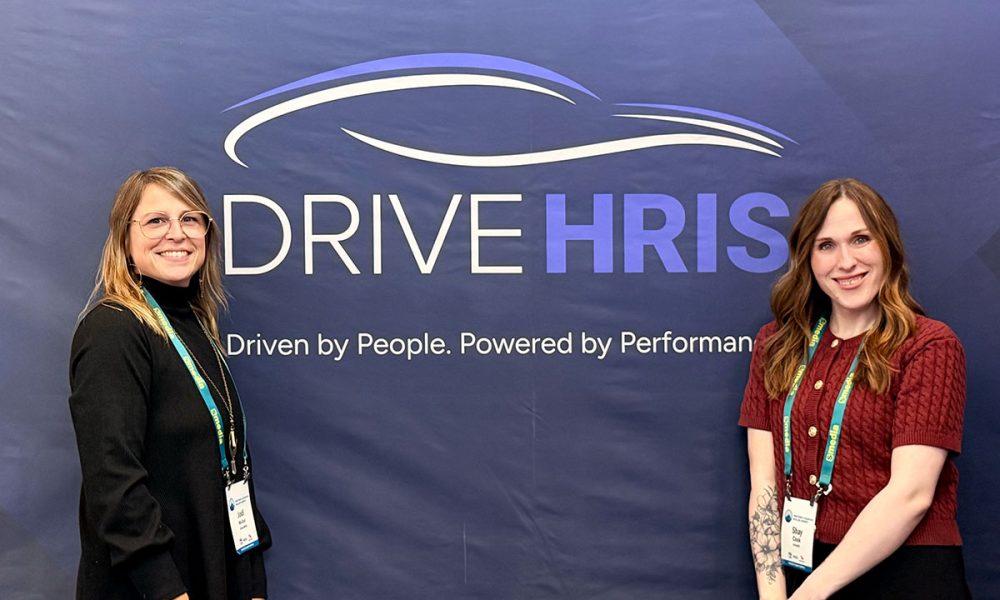
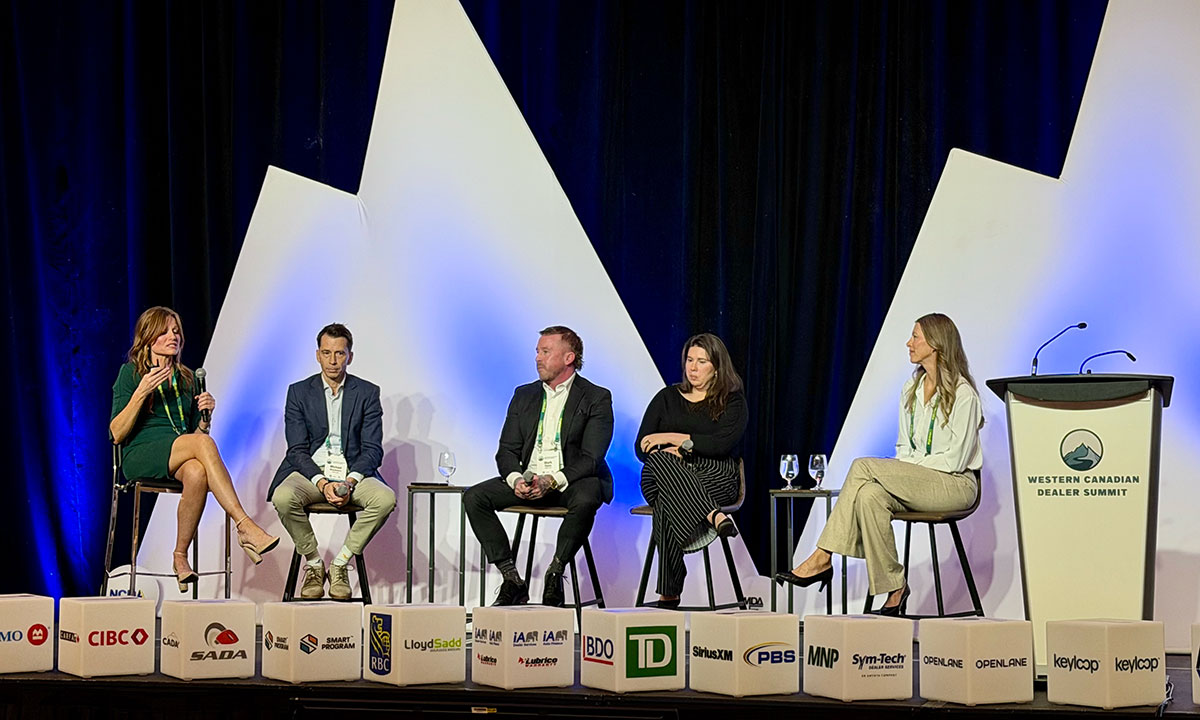
A dealer-focused panel on recruiting and retaining employees brought the discussion back to what owners can control. Moderated by Chelsey Depeel, it included Mark Ripley of Ripley Ford, Helena Byrne of McManes Automotive Group, Mandy Comeau of DriveHRIS and Mike Blackmore of AutoCanada.
Ripley argued that successful recruiting begins with a dealer’s vision and workplace culture, not another job advertisement. He said dealerships need to be more visible in their communities, show prospective employees what makes them different and offer a genuine sense of purpose once someone joins the team.
He also drew a distinction between recruiting salespeople and technicians. Finding technicians is difficult enough, he said, but traditional flat-rate compensation can make the challenge worse as vehicles require more complex diagnostics and electronic repairs. A skilled technician spending hours diagnosing a problem may earn less than another technician completing simpler jobs more quickly.
Ripley challenged dealers to reconsider how they pay and develop technicians rather than expecting younger recruits to accept the same model indefinitely.
Byrne described practical steps McManes has taken to attract employees. Partnerships with schools and apprenticeship organizations have helped bring new people into the business. At a recent student recruitment initiative, she said, the group hired 11 of 13 participants, with more than 70 per cent still employed. McManes also hosts an industry night that draws hundreds of people curious about automotive careers.
But both agreed that recruitment is only the beginning. Byrne said employers often invest heavily in attracting people, then provide minimal training and hope they succeed.
“Hope is not a strategy,” she said. Rather than simply filling vacancies, dealerships need structured onboarding, development plans and managers who take responsibility for new employees.
Byrne also cited an example of high turnover among lube technicians at a McManes dealership where inadequate training was contributing to frustration. The group responded by introducing a lead technician to mentor newer employees and support their development.
The panel examined workforce data indicating that 27.6 per cent of employee departures occur within the first 90 days and 58 per cent within the first year. Comeau stressed the importance of career progression and mentoring, particularly for younger employees. Blackmore added that prospective recruits increasingly look at online employee reviews and AI search tools before deciding where to work.
Ripley said owners must also know what is happening with their existing people. Valuable employees rarely decide to leave overnight, and financial incentives alone will not repair a poor working environment. Managers need to recognize when someone is struggling and respond before the employee disengages.
“You’ve got to take care of your people,” said Ripley.
Byrne suggested dealerships conduct “stay interviews” rather than waiting for exit interviews to discover what went wrong. Employees need to feel seen, supported and appreciated, she said, and managers should check in regularly instead of focusing exclusively on monthly performance.

A champion’s perspective
The afternoon closed with a surprise appearance by one of Canada’s most accomplished women’s hockey players. Rebecca Johnston represented Canada at four Olympic Winter Games, winning three gold medals and a silver, and also collected three world championship gold medals during 12 appearances at the event.
Interviewed on stage by her agent, Johnston recalled growing up in Sudbury in a hockey-mad family with five siblings. She began playing outdoors, then competed on boys’ teams when opportunities for girls were limited. Sometimes that meant changing alone in a janitor’s room, although she said her teammates made her feel included on the ice.
“For me, I truly just played hockey because I loved it,” said Johnston, who recalled watching the Canadian women win gold at the 2002 Salt Lake City Olympics and realizing that representing her country could be her own dream.
Seeing today’s growth in girls’ and women’s hockey, she said, is particularly rewarding because young players now have more opportunities and role models than she did.

After a full day of conference sessions, delegates headed to The Dusty Boot Saloon & Dance Hall in downtown Banff for a western-themed social gathering sponsored by SiriusXM, iA Dealer Services and Lubrico Warranty. Live country music, karaoke and a relaxed atmosphere gave dealers another chance to compare notes, renew friendships and enjoy a night out together, although night soon became early morning for some.