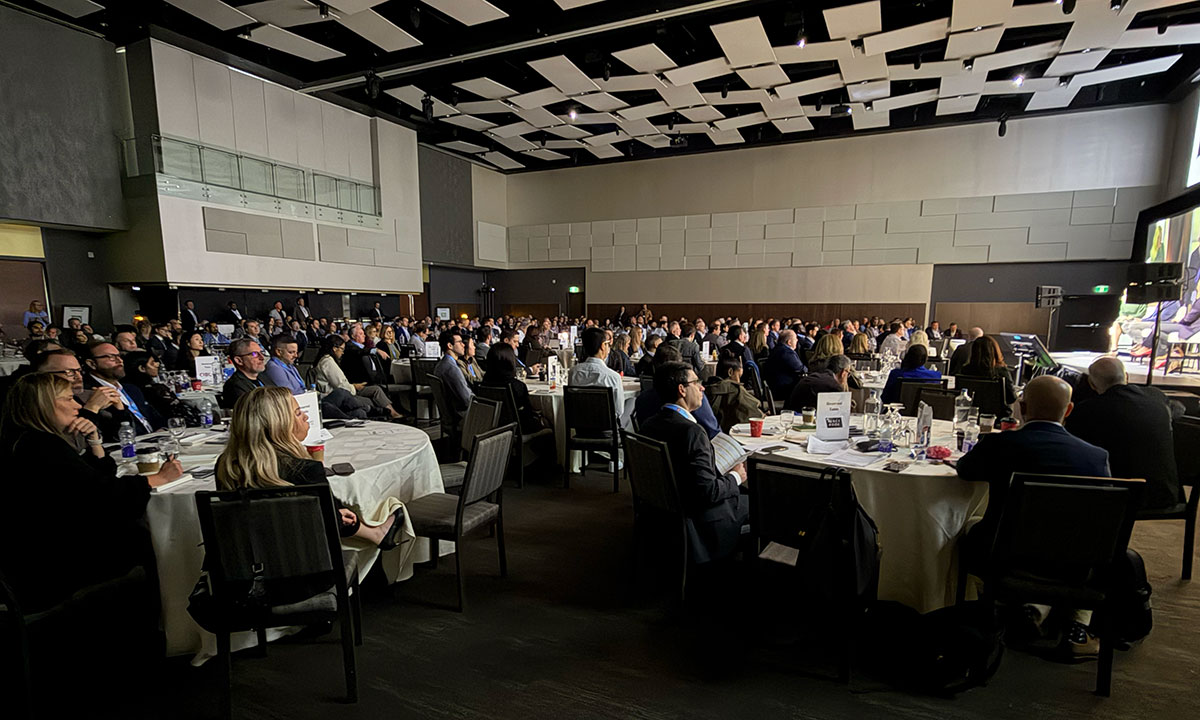
By the time Stellantis Canada President Trevor Longley took the stage at TalkAuto 2026, attendees had already heard about AI influencing car buyers, rising borrowing costs and the industry’s slow progress in increasing women’s representation.
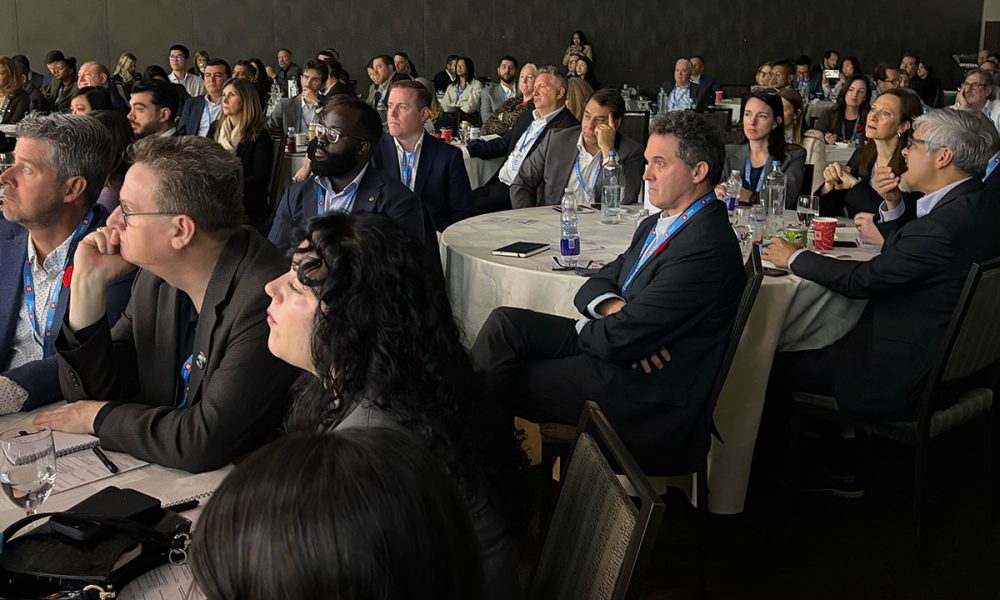
Longley added another challenge: rebuilding confidence among his dealers after years of declining sales. The conversation closed the sold-out Canadian Black Book conference on November 5 in Vaughan, Ont., where later sessions focused on practical decisions for dealerships rather than distant predictions.
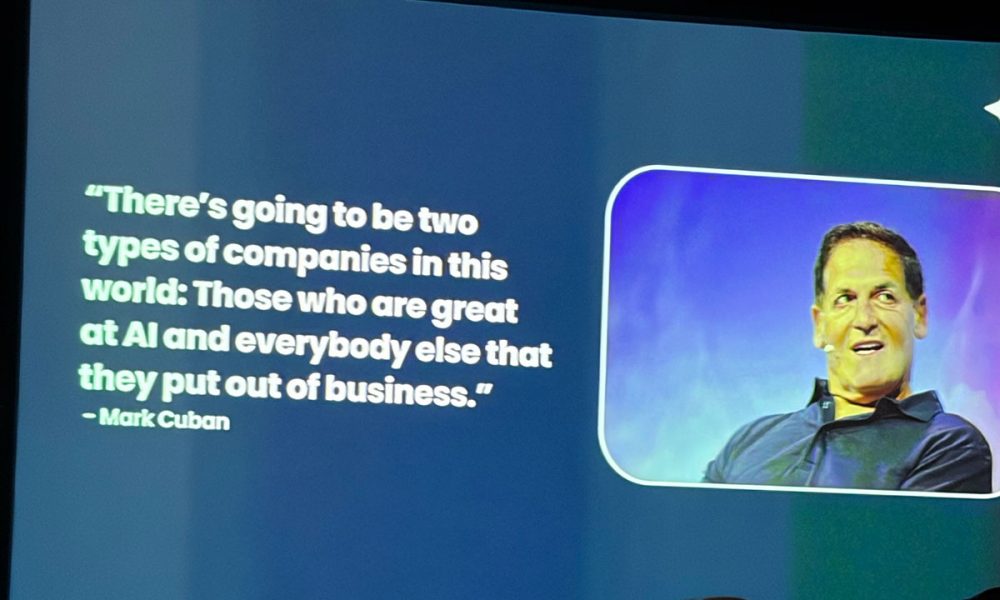
Mathew Growden, creator of The Change Optimist Podcast, delivered one of the day’s more provocative presentations, examining how artificial intelligence is influencing consumer behaviour, introducing new risks and potentially disrupting the automotive industry.
“The systems are now attacking us,” said Growden, explaining that software is increasingly influencing human decisions rather than simply responding to them.
Growden shared findings from a new Canadian automotive consumer study he spearheaded involving 3,068 respondents. Among the findings, 44 per cent of surveyed car buyers reported using AI tools to help decide which vehicle to purchase. He also noted that the vehicle-shopping journey, traditionally estimated at 45 to 60 days, has shortened to approximately 30 days. Growden suspects AI is contributing to that acceleration.
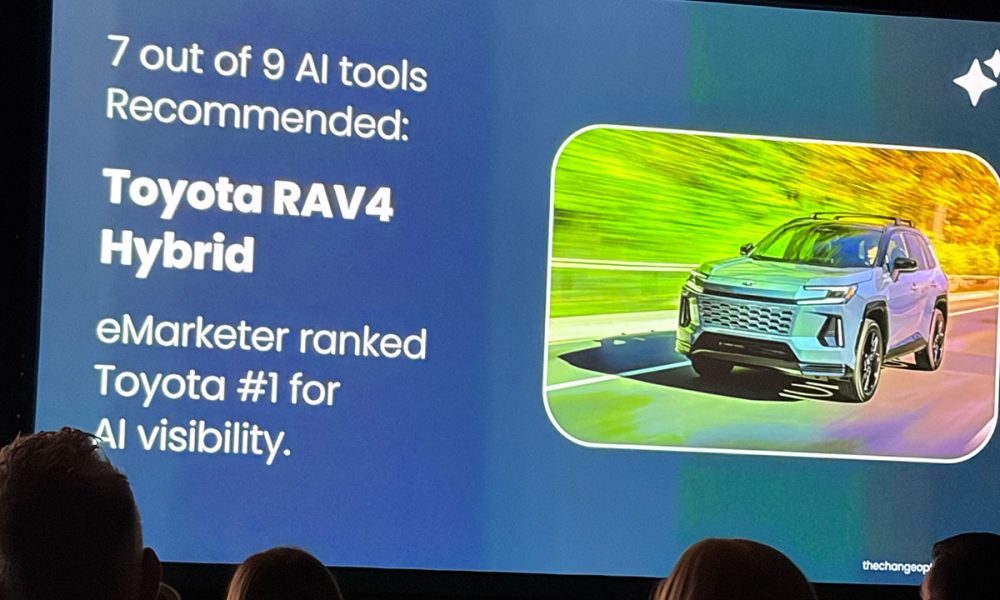
He illustrated AI’s growing influence with an experiment involving prompts he entered with general information about a vehicle that would meet his family’s needs. Given the same hypothetical vehicle-shopping request, seven AI tools recommended he should buy the Toyota RAV4 Hybrid. When he added the word “luxury” to the prompt, all nine recommended the Lexus RX 350h.
For dealers, that raises important questions about how vehicles are being recommended and which brands consumers consider before contacting a dealership.
Growden also discussed examples of AI-generated pricing and trade-in valuation errors, along with increasingly sophisticated cybersecurity threats. He pointed to the growing global influence of Chinese automakers, which are incorporating AI into vehicle manufacturing, product development and the customer experience.
While acknowledging the technology’s limitations, Growden cautioned against dismissing AI because it makes mistakes. He recalled someone telling him that AI was prone to errors and bias. “Sounds like every person I’ve ever worked with,” was his response.
His message to dealers was that the technology is advancing rapidly, and businesses need to experiment, learn and develop strategies rather than wait for the disruption to arrive.
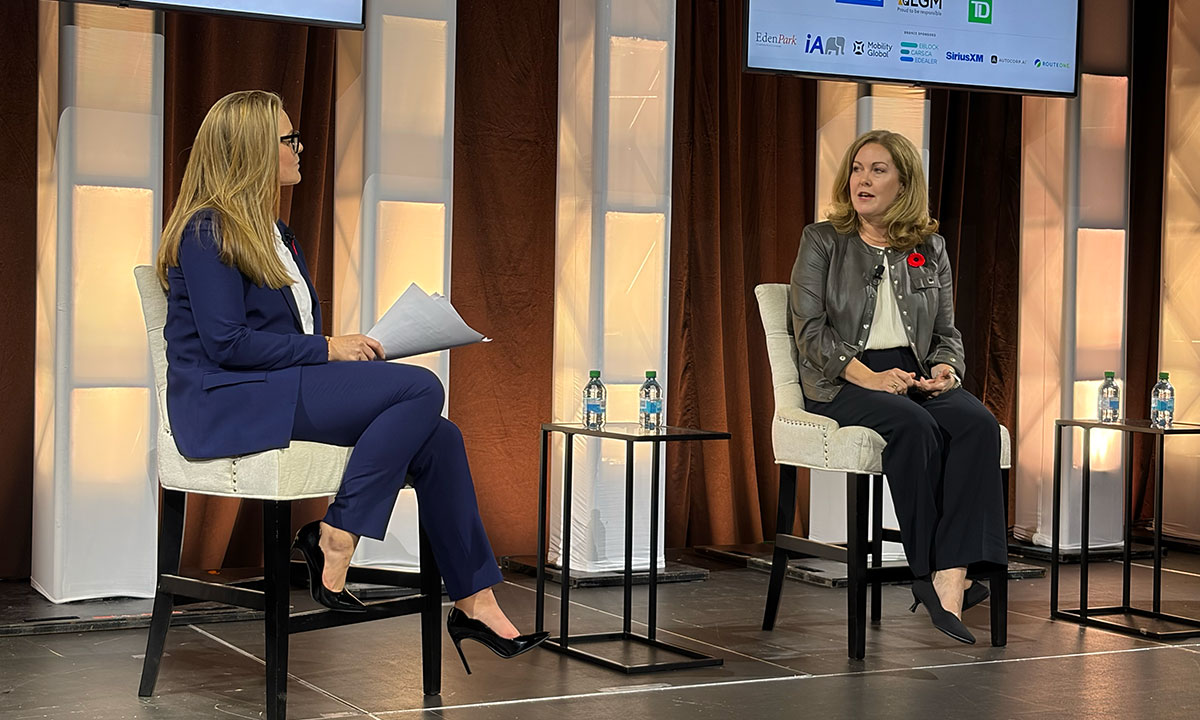
Women defining the next decade
The automotive industry needs more adaptable leaders, greater attention to the customer experience and stronger efforts to bring women into leadership roles.
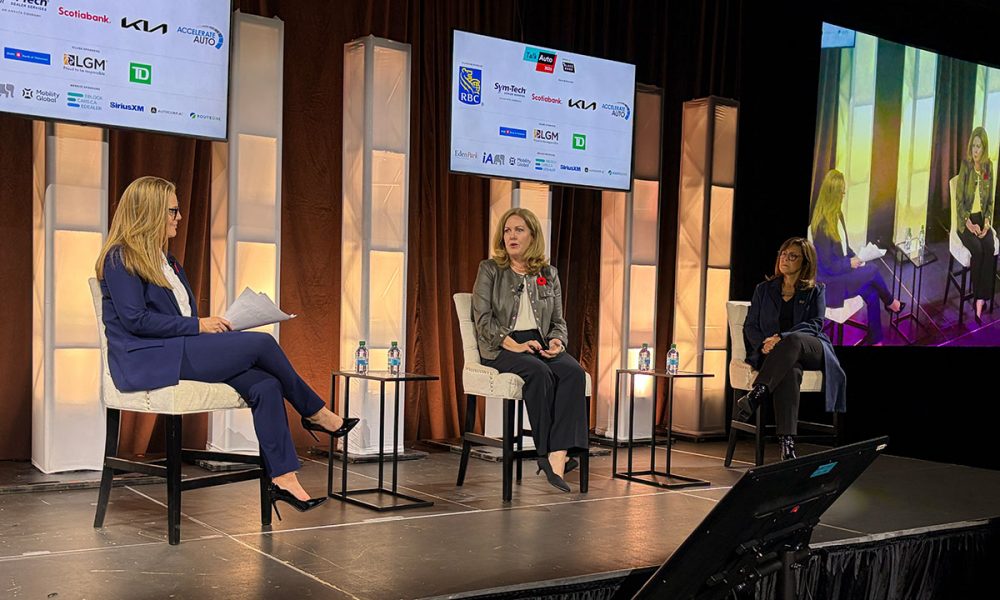
Those themes emerged during a discussion featuring Amy Fleming, President and CEO of Mazda Canada, and Nancy Cappadocia, Managing Director of iA Auto Finance. The session was moderated by Shellie Stanley, Director of Sales, Data Licensing, at Canadian Black Book.
Fleming, who began her automotive career working at a dealership, said that experience continues to shape her approach to leadership. She emphasized that customers increasingly expect faster transactions, greater transparency and personalized experiences, influenced by their interactions with businesses outside automotive retail.
Cappadocia identified affordability and access to financing as significant challenges, noting that fraud prevention, privacy requirements and identity verification have made financing transactions more complex.
Both executives see opportunities for AI to improve efficiency but emphasized the importance of maintaining human judgment, oversight and consumer protection.
The conversation also turned to the industry’s continuing difficulty attracting women.
Figures from CADA’s workforce study, cited during the panel, showed women represented 23 per cent of employees at Canadian new-car dealerships at the end of 2025, unchanged from 2023.
Cappadocia said mentorship and greater visibility for women in leadership positions are essential to improving those numbers. “What got us to 23 per cent isn’t necessarily going to get us to the next level,” she said.
Fleming challenged male leaders to become more active advocates for women, particularly when decisions about promotions and advancement are being made.
“How are you sponsoring and advocating for women when they’re not in the room?” she asked.
She highlighted Mazda’s involvement with Accelerate Auto, Empowering Auto and Pathways to Education as examples of initiatives designed to create opportunities.
Cappadocia encouraged industry leaders to take at least one additional step to support women’s advancement, whether through mentorship, recruitment or creating new leadership opportunities.
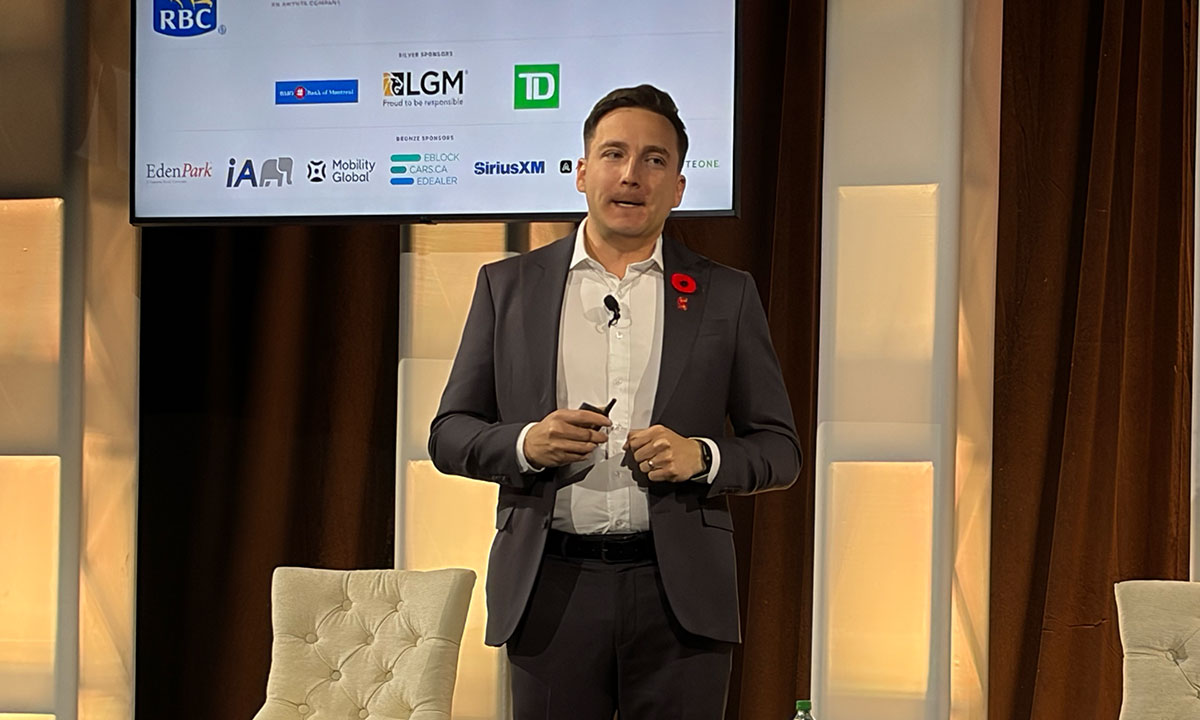
Global economic forecast
Despite tariffs, geopolitical uncertainty and rising borrowing costs, Canada’s economy has demonstrated considerable resilience, according to Mitch Villeneuve, Director of Economic Policy at Scotiabank.
Villeneuve delivered a cautiously optimistic outlook, suggesting that consumer spending has remained relatively strong and economic growth should gradually improve. For automotive retailers, he said vehicle sales have been broadly stable despite the uncertainty surrounding international trade and consumer confidence.
However, the economic pressures facing consumers and businesses differ significantly across the country. Villeneuve explained that tariffs have disproportionately affected provinces such as Ontario, Quebec and British Columbia, while some energy-producing regions have experienced considerably fewer direct trade disruptions.
Changes in immigration policy have also affected economic growth. Lower population growth means fewer new consumers entering the market for vehicles and other goods.
A significant concern for dealers is the direction of interest rates.
Villeneuve said elevated energy prices and increasing business input costs are creating renewed inflationary pressures. Financial markets had rapidly adjusted their expectations for future interest rates, at one point pricing in approximately 100 additional basis points of increases. He suggested those market expectations may have gone further than necessary.
He also pointed to enormous debt-financed investments in artificial intelligence infrastructure as another factor contributing to pressure on bond yields and borrowing costs.
For consumers, the impact of higher rates will vary. Households in expensive housing markets such as Toronto and Vancouver may face greater financial pressure because of their mortgage obligations. Nevertheless, Villeneuve said household debt levels relative to the overall economy have improved from previous peaks.
For dealers, his outlook suggested a relatively stable vehicle market, although affordability pressures, regional economic conditions and uncertainty surrounding trade policy will continue to influence consumer demand.
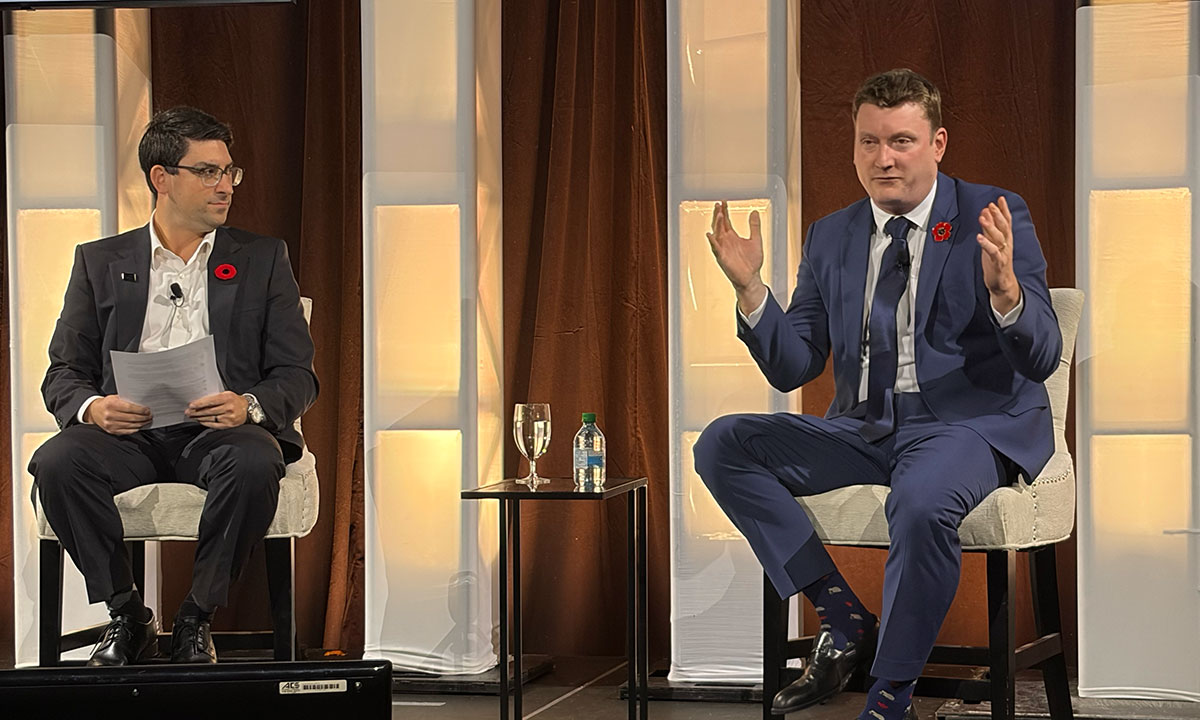
Fireside chat with Stellantis
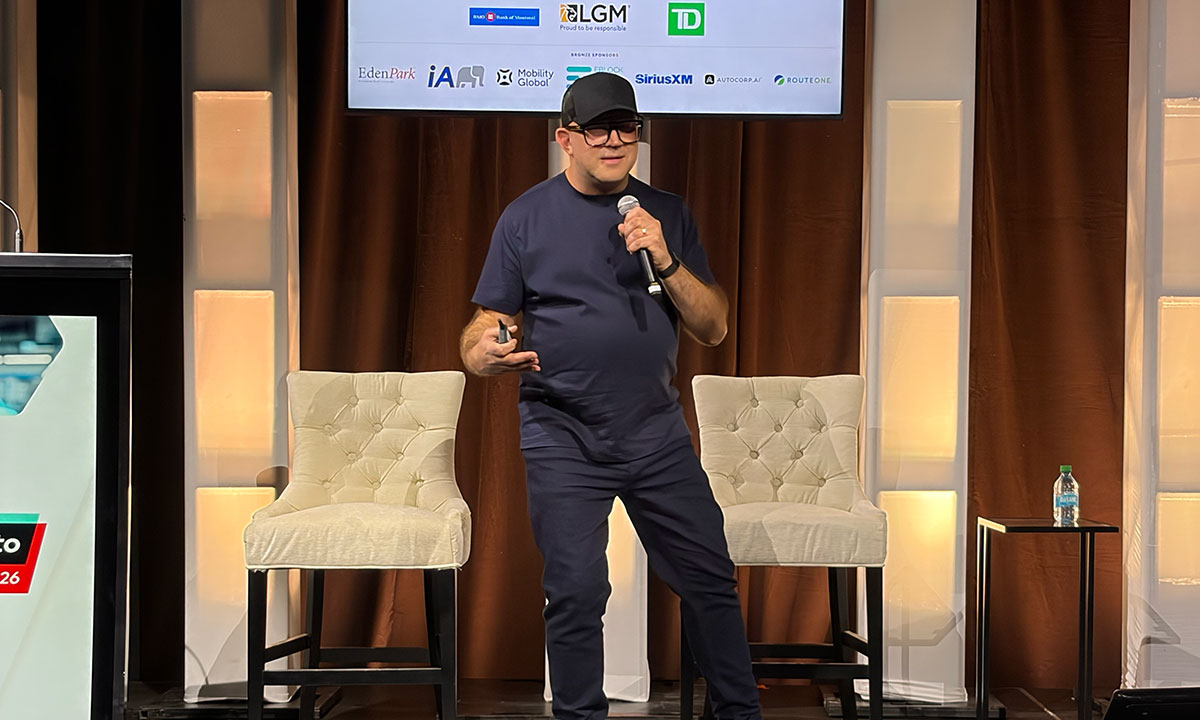
Trevor Longley, President, Canada, Stellantis North America, offered a candid assessment of the challenges facing the automaker and his efforts to rebuild its Canadian operations.
In a fireside discussion moderated by Daniel Ross, Director, Strategic Market Insights, at Canadian Black Book, Longley acknowledged that Stellantis has experienced a difficult decade, falling from its position as Canada’s largest automaker by sales volume while undergoing successive rounds of downsizing.
When he assumed leadership of the Canadian business, Longley said he found a dedicated but stretched organization that needed additional resources and renewed attention to its dealer network. The company added more than 40 corporate employees during his first year and increased field resources to better support dealerships.
Longley acknowledged that dealer relationships had been strained for years and that rebuilding confidence would require more than promises. He described recent efforts to reconnect with dealers, including a national meeting in Detroit where the company outlined future product and business plans. But Longley was clear that presenting plans is only the beginning. The challenge is delivering results.
“Profitable dealers are happy dealers,” said Longley, emphasizing that improving dealership sales volumes and profitability remains a priority.
Affordability is another focus.
Longley said Stellantis has been reconsidering vehicle packaging, introducing more accessible Ram configurations and simplifying equipment packages on vehicles such as the Jeep Gladiator. He also identified important product segments where Stellantis needs to regain a stronger presence, including small and midsize SUVs and midsize pickup trucks.
On manufacturing, Longley warned that tariffs and diverging Canadian and American vehicle regulations are creating significant challenges for an industry built around an integrated North American market.
Looking ahead, Longley said electrification remains the industry’s future, but he does not consider hybrids merely a transitional technology. He also sees potential for range-extended electric powertrains, particularly in larger SUVs and pickup trucks where capability remains a priority for buyers.
His overarching message was that automakers must deliver vehicles consumers can afford and that meet their practical needs, while ensuring their dealer networks have the volume and profitability required to succeed.