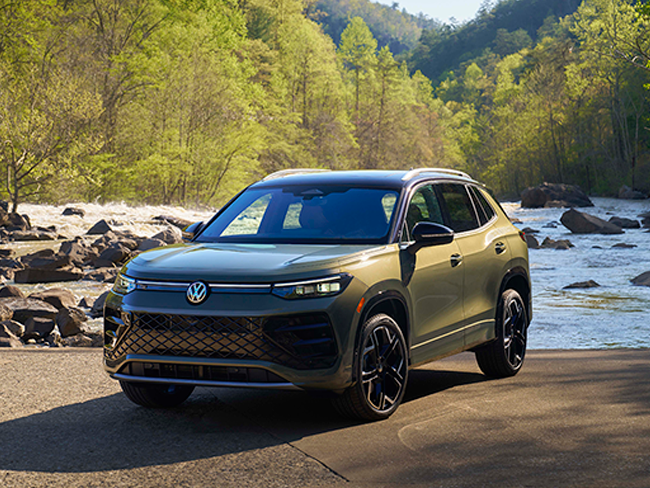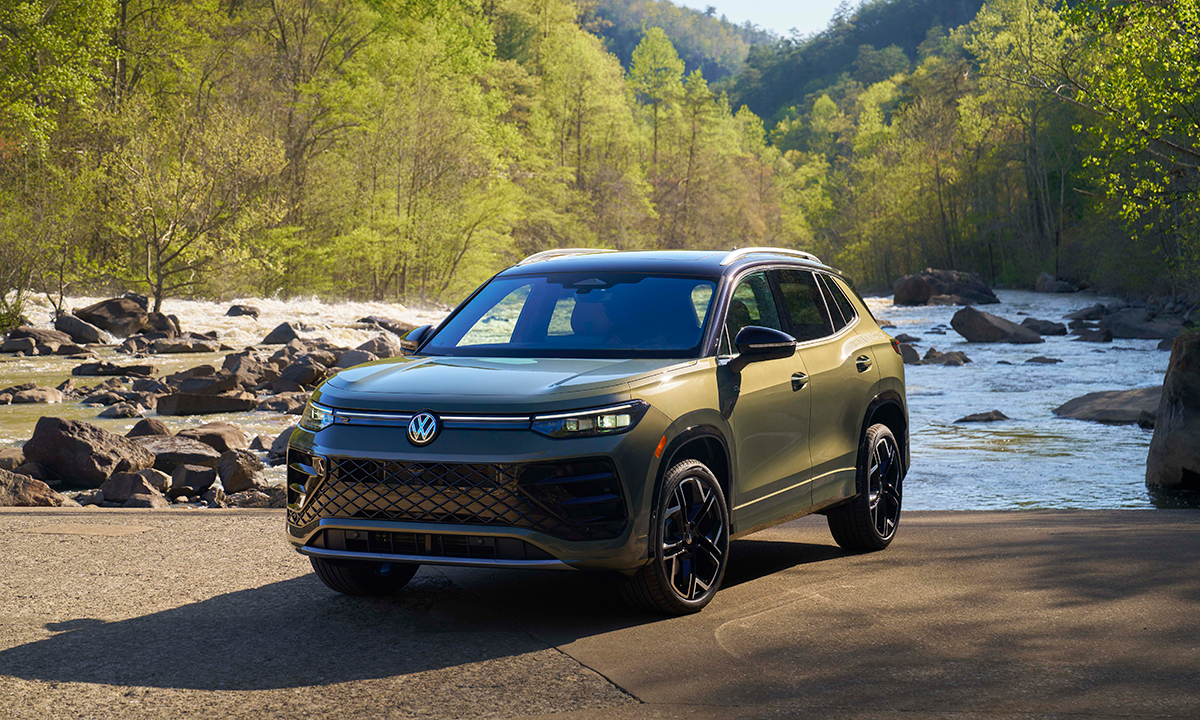
Volkswagen Tiguan
Canada’s automotive industry met the challenges of 2025 head-on, appearing to recognize that many of the difficulties it faced were not self-made but driven by factors well beyond the control of individual dealers. The year ended with the highest Canadian auto sales volume since 2019 and ranked among the strongest years on record.
The first half of 2026, however, proved more challenging.
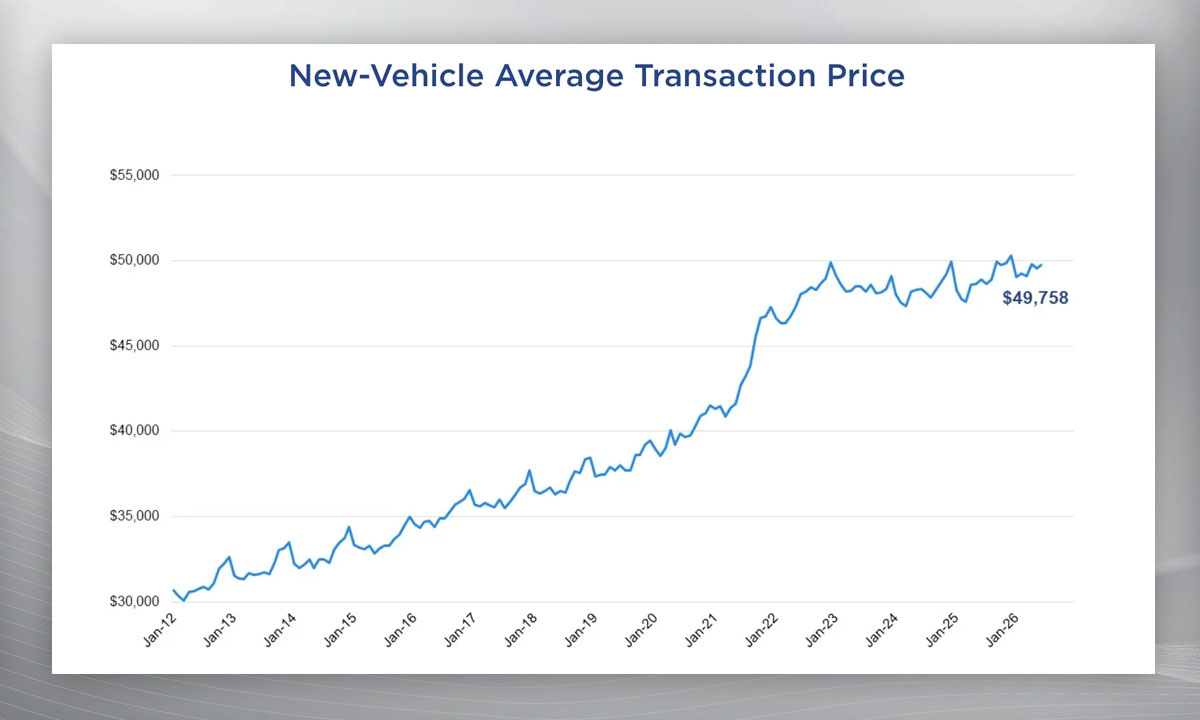
Supply chain problems persist. Trade barriers have dramatically reduced the size of some OEM lineups. The luxury tax is making a growing number of premium vehicles even more expensive. Surging fuel prices following renewed conflict in the Middle East have taken another bite out of consumers’ disposable income, adding pressure at a time when the average new-vehicle price hovers above $63,000, according to AutoTrader’s Price Index.
Yet despite the obstacles threatening to derail the industry’s momentum, sales dipped only slightly during the first six months. The market was down approximately 26,000 units from the first half of 2025, according to DesRosiers Automotive Consultants, but it has by no means collapsed under the weight of these external complications.
Of course, Canada’s auto market is hardly a level playing field. That is where our annual report card comes into play.
Which automakers are overcoming the challenges, and which are underwhelming?
ACURA: B-
As Acura’s RDX approaches a prolonged hiatus, the entry-level ADX is beginning to hit its stride. Replacing the RDX’s volume, however, is no easy task: It has been Acura’s bestseller in each of the past 12 years.
Through the first six months, Acura lost 1,984 RDX sales compared with the same period in 2025, while the ADX contributed 1,966 sales. Across the brand, Acura volume fell four per cent to 6,658 units through the end of June.
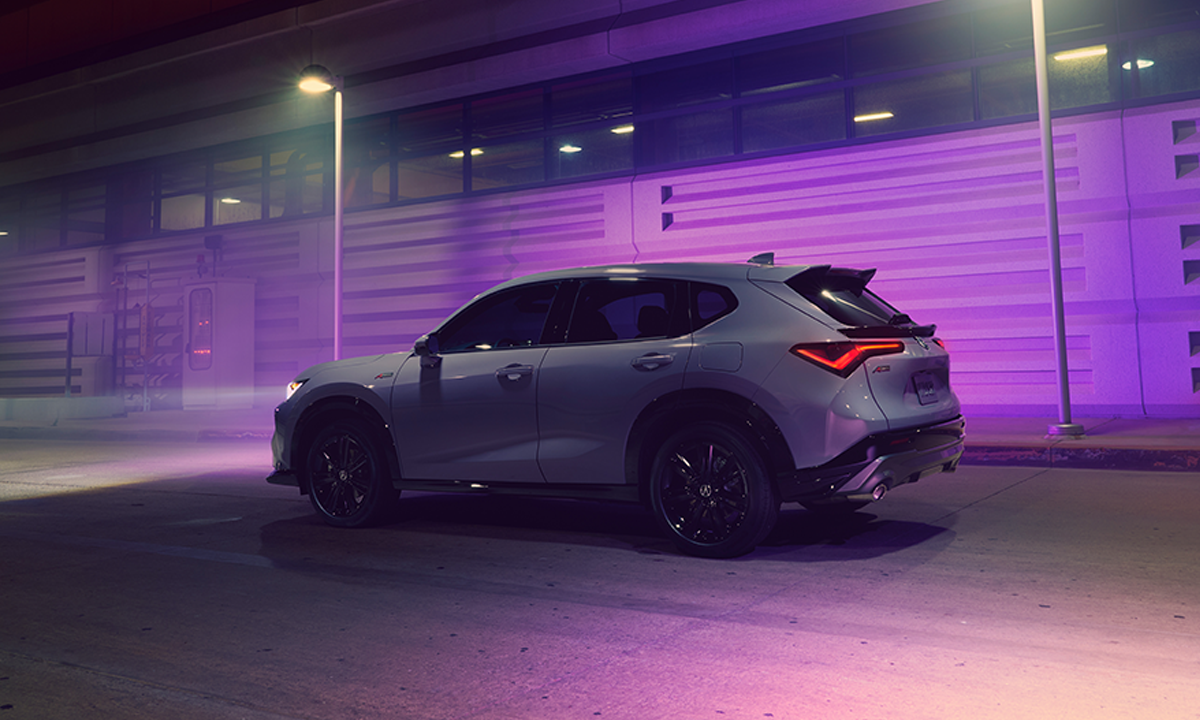
Acura ADX
AUDI: D
After ending 2025 as Canada’s No. 1 premium brand, Audi fell to third place behind Lexus and BMW during the first half of 2026. Sales declined 15 per cent to 14,271 units.
Audi generates the overwhelming majority of its volume from its Q-branded utility vehicles, sales of which fell by more than 330 units per month through the first six months. Every Audi utility, from the Q3 and Q5 through to the Q8, reported a year-over-year decline.
BMW: C+
Despite a six per cent decline from 2025 levels, driven by decreases across 13 models, BMW edged ahead of Audi on the premium-brand leaderboard.
BMW reported 15,107 first-half sales, drawing strength from its two original SUV stalwarts, the X3 and X5. The South Carolina-built duo combined for a 27 per cent year-over-year increase, reaching 6,313 sales through the end of June.
FORD: DNQ
Ford continues its practice — in Canada, but not in the United States — of disclosing Canadian deliveries only once a year through its annual totals.Ford Motor Company, including Lincoln, controlled 15 per cent of the Canadian market in 2025, second only to General Motors.
GENERAL MOTORS: B
GM Canada began 2025 with explosive growth, as first-half sales jumped 12 per cent to 157,671 units. Those gains were not matched during the second half of the year or in the early months of 2026.
GM nevertheless generated 299,813 sales in 2025, its strongest annual result since 2017, when the Canadian market as a whole reached its peak.
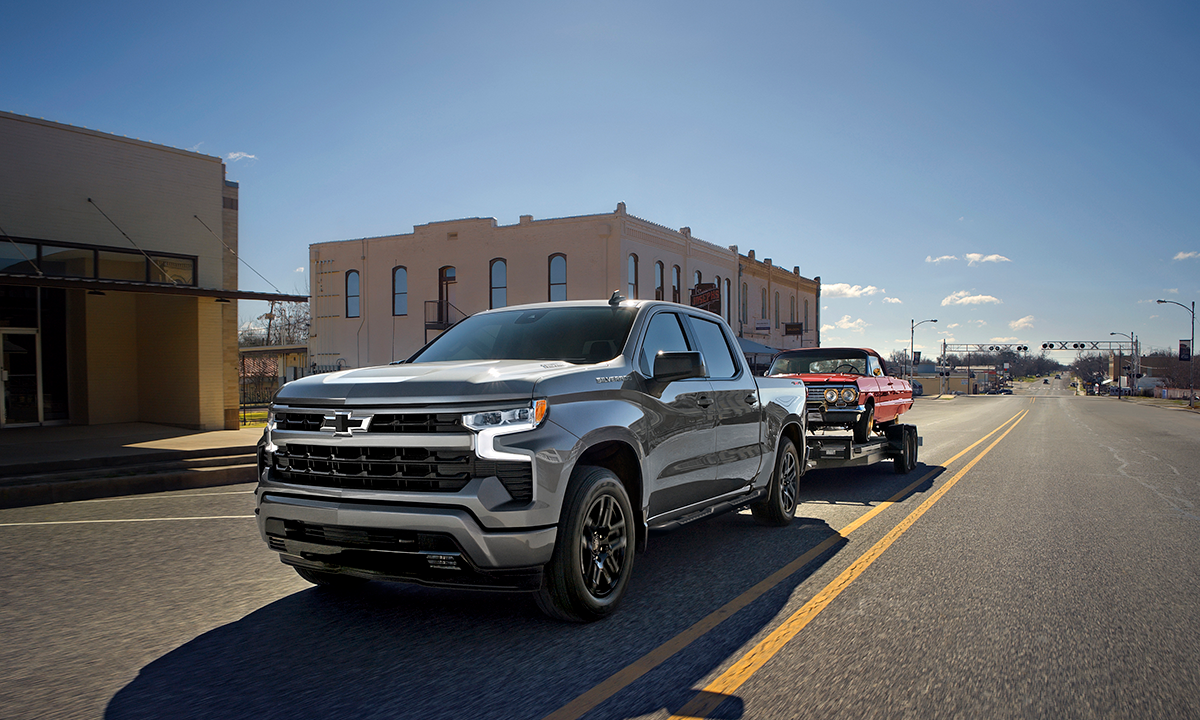
General Motors Chevrolet Silverado
GENESIS: A-
Hyundai’s luxury offspring is hardly a high-volume contender destined to reach the top of the premium-brand leaderboard anytime soon. But Genesis is playing the long game, continuing to build on an increasingly sturdy foundation.
First-half sales jumped 10 per cent to 4,235 units — roughly one-quarter of Lexus’s Canadian volume — after Genesis sales grew 80 per cent over the previous four years.
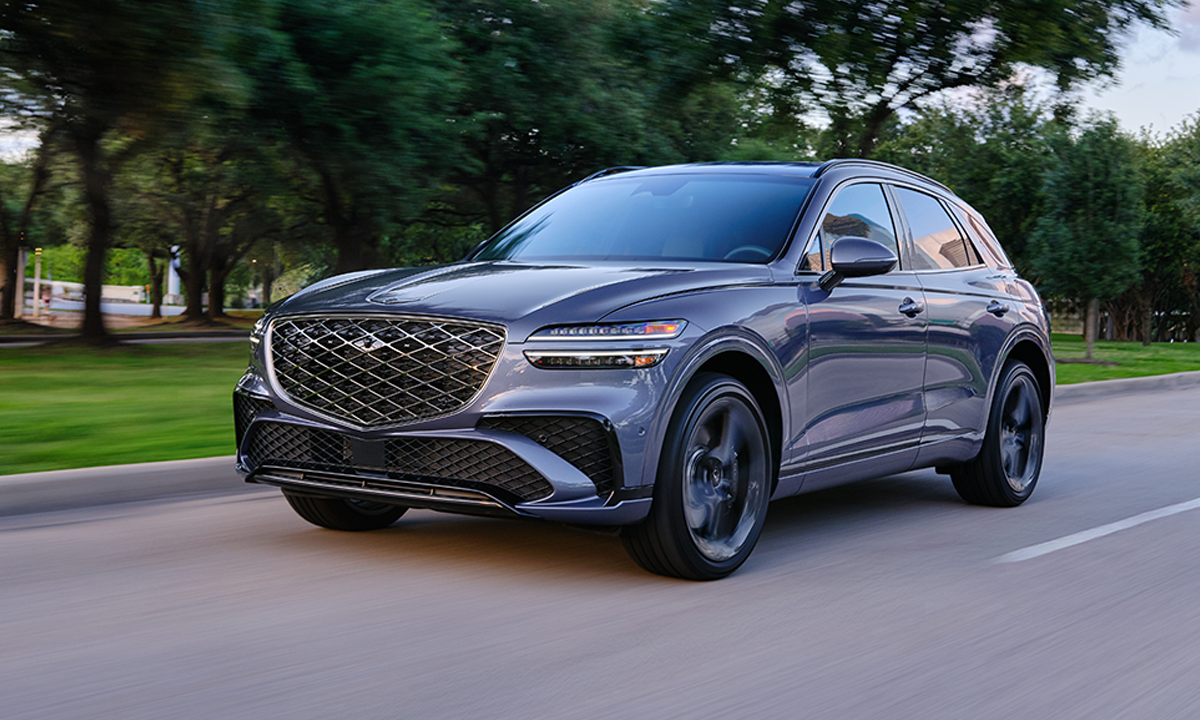
Genesis GV70
HONDA: C
Presented with a golden opportunity by plunging Toyota RAV4 production, Honda Canada could not quite capitalize.
The CR-V did take the top spot in the SUV rankings, but it did so despite a five per cent decline of its own. Overall, the Honda brand generated 64,968 first-half sales, down seven per cent. Its other leading model, the Civic, remained Canada’s No. 1 passenger car despite a five per cent decline.
HYUNDAI: A-
Gone are the days when Hyundai’s fortunes hinged on the Sonata, Santa Fe or Elantra.
The Tucson is now Hyundai’s primary sales driver. Its volume increased 35 per cent to 25,380 units in the first half of 2026, accounting for approximately one-third of the brand’s 75,132 January-to-June sales.
Hyundai also generated first-half gains from the Sonata, Ioniq 9, Palisade and Venue.
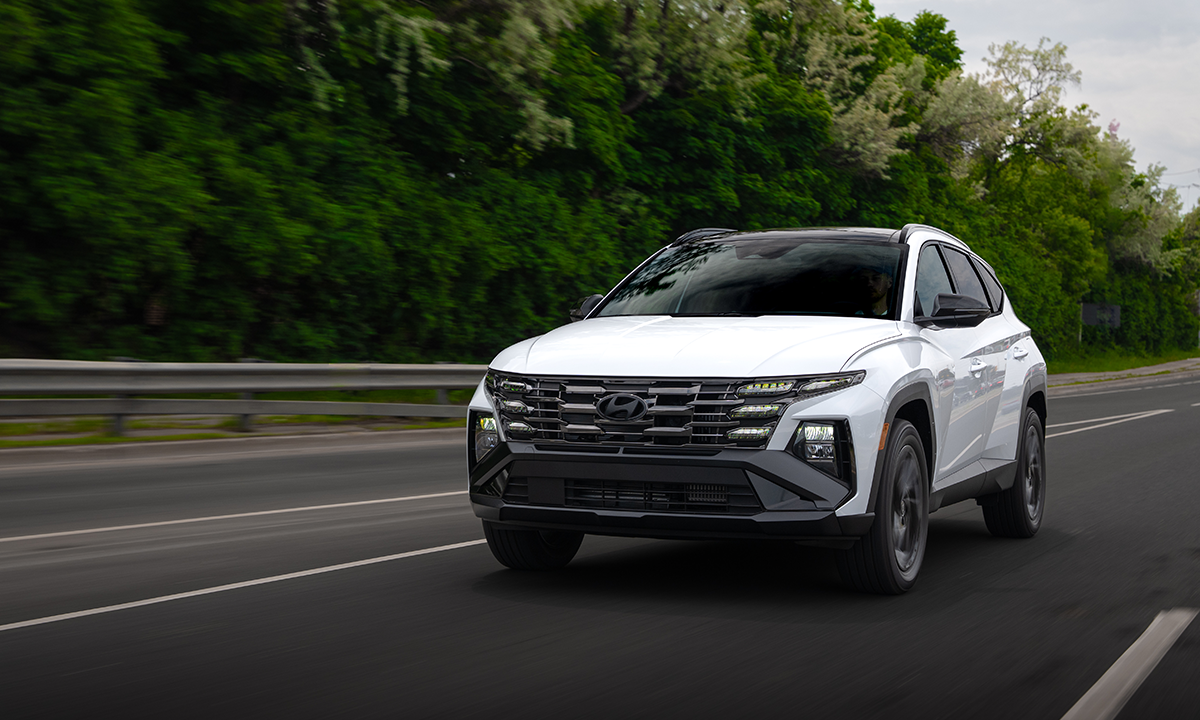
Hyundai Tucson
INFINITI: C
Infiniti sales were flat during the first half of 2026 — hardly the stuff of which dreams are made for a brand that now barely registers in the consciousness of Canadian luxury-vehicle buyers.
Infiniti has become a bit player, selling only 2,579 vehicles through the end of June across a small lineup of utility vehicles. The QX50 currently ranks as the brand’s bestseller, with 1,504 first-half sales.
For comparison, Infiniti’s entire lineup generated 2,579 sales, while Audi sold 6,577 examples of the Q5 alone.
JAGUAR: F
Jaguar recorded only 348 first-half sales, a 37 per cent drop from already alarmingly low totals a year ago. The figure is all but statistically meaningless in an industry that sells approximately 5,300 vehicles per day.
Jaguar was never anything other than a niche player in the Canadian market, but its current performance gives new meaning to the term. The brand last surpassed 2,000 annual sales in 2020. It reached a high of 4,620 units in 2017, the strongest year in Canadian auto industry history.
KIA: B-
Kia Canada’s record-breaking 94,622 sales in calendar year 2025 appear to be a difficult target to match in a challenging 2026.
First-half sales fell four per cent from last year’s pace, representing a loss of 1,966 units and leaving Kia with 48,336 sales overall.
The bestselling Sportage, along with the Niro and Carnival, generated significant gains, but there were major losses elsewhere. The absence of a new Telluride — a hot seller in the United States — is largely responsible for Kia’s downturn. The Telluride alone accounts for 1,833 of Kia’s lost sales.
LAND ROVER: A
Land Rover last reached five-digit annual Canadian sales volume in 2019. The brand appears destined for bigger things in 2026, thanks to booming sales of the Range Rover Sport, up 68 per cent through the end of June, and the bestselling Defender, up 91 per cent.
Land Rover’s 6,836 first-half sales represent a 40 per cent increase and put the brand on pace to surpass 13,000 units in calendar year 2026.
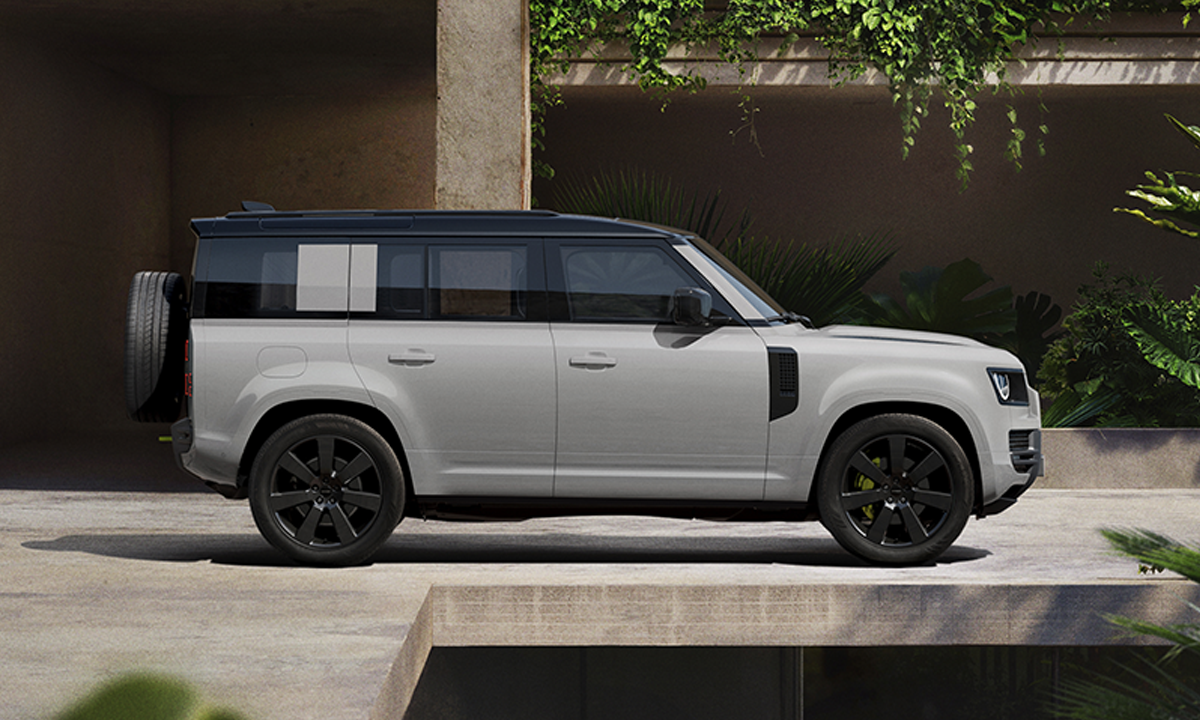
Land Rover Defender
LEXUS: B
Unlike parent company Toyota, which overcame significant headwinds to generate a seven per cent first-half increase, Lexus sales fell nine per cent through the end of June.
Yet in a decidedly difficult opening half for premium brands, those results were not comparatively awful. Lexus currently ranks No. 1 among luxury brands. Its 16,519 sales put it more than 1,400 units ahead of BMW.
The heavy lifters, as always, were the Canadian-built NX and RX utility vehicles. Together, the two models generated 70 per cent of Lexus’s first-half sales.
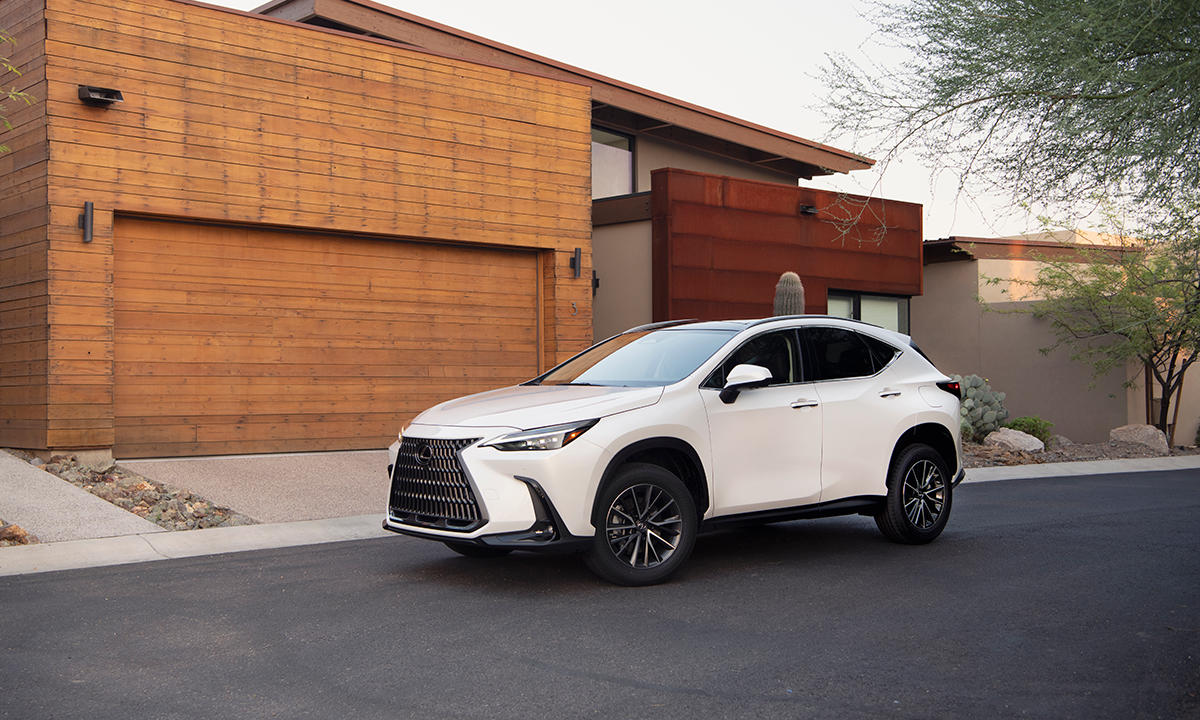
Lexus NX
MASERATI: F
Stellantis’s Maserati brand walks a fine line that almost guarantees modest Canadian volume: high prices, a small lineup and a limited dealer network.
Unfortunately for Maserati, that modest output is becoming increasingly modest. Only 141 Maseratis were sold during the first half, down 39 per cent from the same period in 2025. That followed a 35 per cent decline a year earlier and a 33 per cent first-half drop in 2024.
MAZDA: D
Mazda’s situation can be viewed from two very different perspectives.
Collectively, the brand’s sales fell 14 per cent during the first half of 2026, declining to 34,349 units despite a 10 per cent improvement from the bestselling CX-5.
Remove the Alabama-built CX-50 — essentially discontinued in Canada because of trade complications — from the equation, however, and Mazda’s non-CX-50 sales were actually up two per cent.
Unfortunately, the implication for dealers remains the same: More than 6,000 CX-50 sales were missing during the first half of the year.
MERCEDES-BENZ: D
Excluding Sprinter vans, Mercedes-Benz’s luxury-vehicle division took a 14 per cent hit during the first half of 2026, falling to 13,140 units. Including the Sprinter, Mercedes-Benz Canada sales declined 16 per cent to 15,707 vehicles.
The brand’s dedicated EQ electric-vehicle experiment generated only 293 first-half sales, one-third of the total achieved by the EQ models three years ago.
Mercedes-Benz’s bestseller, the GLC, reported a 10 per cent year-over-year increase to 4,642 first-half sales.
MITSUBISHI: B-
Although marginally behind the pace of the overall industry, Mitsubishi’s remaining three models combined for a five per cent year-over-year increase during the first half of 2026.
The issue, of course, is the discontinuation of the entry-level, three-cylinder Mirage. While it was surely not Mitsubishi’s most profitable product, the loss of the Mirage represents 1,672 fewer sales for dealers this year compared with 2025.
Mitsubishi’s bestseller, the Outlander, edged upward to 10,123 units, including 4,868 plug-in hybrids.
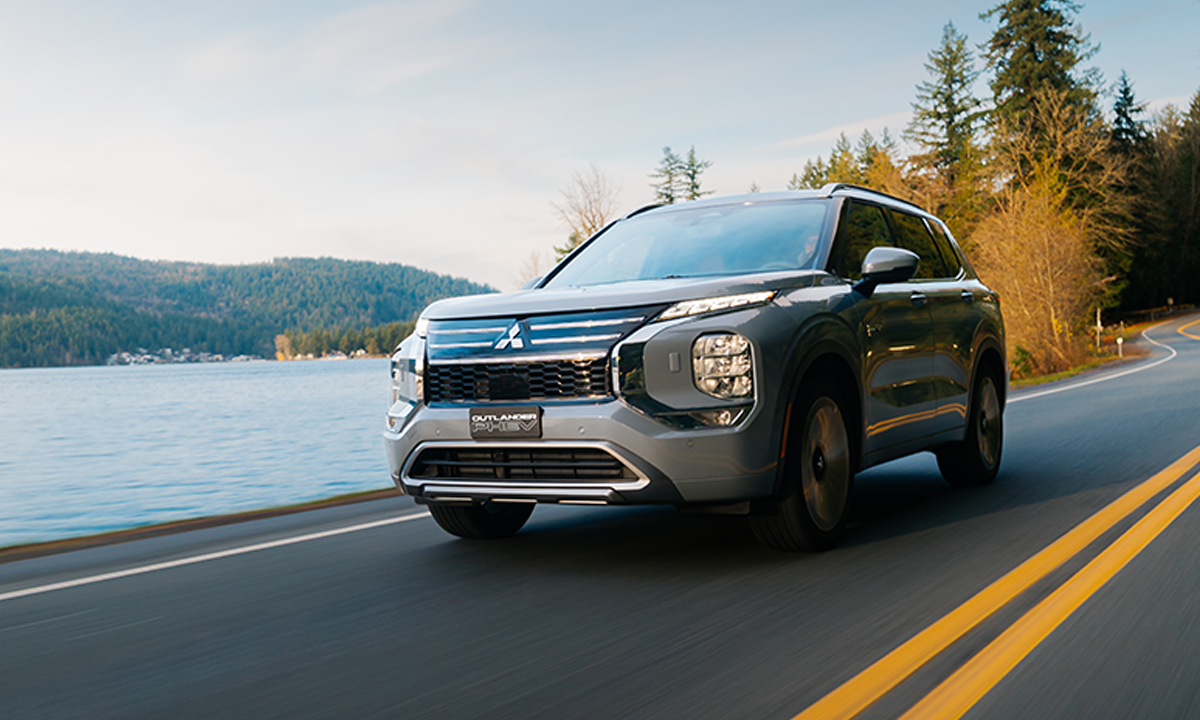
Mitsubishi Outlander PHEV
NISSAN: D
This was not the plan.
Until recently, Nissan competed in two pickup categories, the midsize and subcompact passenger-car segments, and the midsize and three-row family utility sectors. It is now essentially operating two-vehicle showrooms.
After abandoning some segments by choice and losing others — including the Murano, Pathfinder and Frontier — because of cross-border trade complications, Nissan Canada now generates 81 per cent of its sales from the Kicks and Rogue. Add the Sentra and Leaf, and four models account for 95 per cent of Nissan’s volume.
Brand-wide sales fell 15 per cent to 49,342 units.
PORSCHE: B
Despite major gains from the iconic 911, sales of which increased 40 per cent to 1,349 units during the first half, Porsche has not quite kept pace with its 2025 Canadian performance.
Overall sales declined four per cent to 4,700 units. Porsche reached a record high in calendar year 2023, slipped marginally in 2024 and again in 2025, before beginning 2026 at a slightly slower pace.
Combined, the Boxster, Cayman, Panamera, Taycan and Cayenne lost 758 sales, representing a 34 per cent decline.
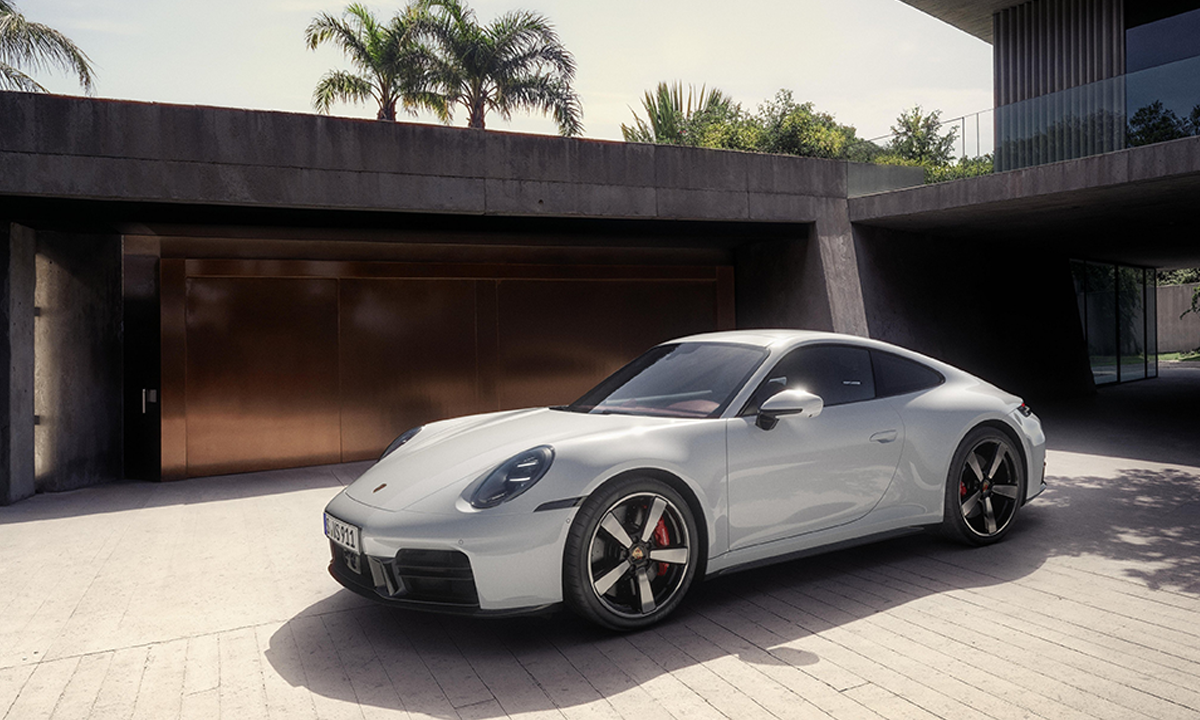
Porsche 911
STELLANTIS: B
Finally, Stellantis Canada is trending in the right direction. First-half sales increased six per cent to 62,585 units following annual declines in each of the previous three years.
Dodge sales rose five per cent during the first six months of 2026, Jeep posted a seven per cent increase and Ram volume climbed eight per cent.
Stellantis nevertheless remains well below the rate of sales its dealer network once expected. In 2019, for example, the company’s Canadian volume averaged more than 14,000 units per month, compared with approximately 10,400 during the first half of 2026.
SUBARU: C
Subaru’s 70,953 sales in calendar year 2025 represented the brand’s best-ever performance. Matching that effort in 2026 proved too great a challenge through the halfway point.
The brand is contending with continuing Forester declines, a 24 per cent drop in passenger-car sales and the disappearance of the Ascent. Subaru volume fell 12 per cent to 34,758 units during the first six months.
TOYOTA: A+
In a market that is declining marginally, Toyota’s seven per cent increase to 113,155 units is made even more impressive by two factors.
First, no reporting brand comes close to Toyota’s volume. Chevrolet trails by nearly 36,000 sales, while Ford does not report first-half results.
Second, Toyota is generating that growth despite a major 33 per cent year-over-year decline from the all-new RAV4, as production of its bestselling model has yet to catch up with demand.
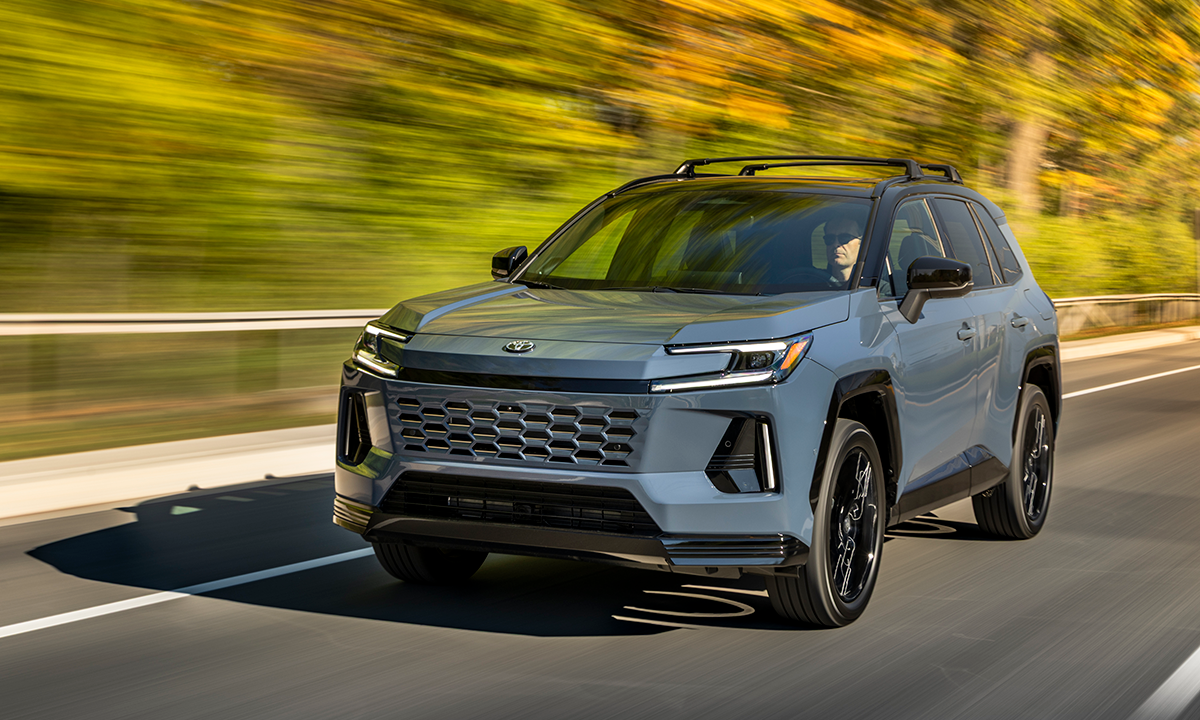
Toyota RAV4
VOLKSWAGEN: A+
A new Tiguan is a very big deal for Volkswagen’s Canadian dealers.
Tiguan sales increased 34 per cent in 2017 and another 43 per cent in 2018. Following a difficult transition year in 2025, sales of Volkswagen’s No. 1 Canadian model surged 164 per cent to 15,687 units during the first half of 2026.
The Tiguan generated just under one-third of Volkswagen’s 48,751 sales, helping make January through June 2026 the strongest first half in Volkswagen Canada’s history.
VOLVO: A
A terrific way to follow record sales in 2023 was to establish another brand record in 2024. Volvo then broke that record again in 2025.
Courtesy of major gains from its two bestselling products — XC60 volume increased seven per cent and XC90 sales rose 26 per cent — Volvo’s first-half 2026 results were 10 per cent ahead of last year’s record pace.
Volvo sold 7,295 vehicles in Canada during the first six months. It remains small by the standards of the leading premium brands: Lexus, for example, outsold Volvo by more than two to one.