Fuel costs and interest rates are reshaping how Canadians shop for vehicles
We are in turbulent times.
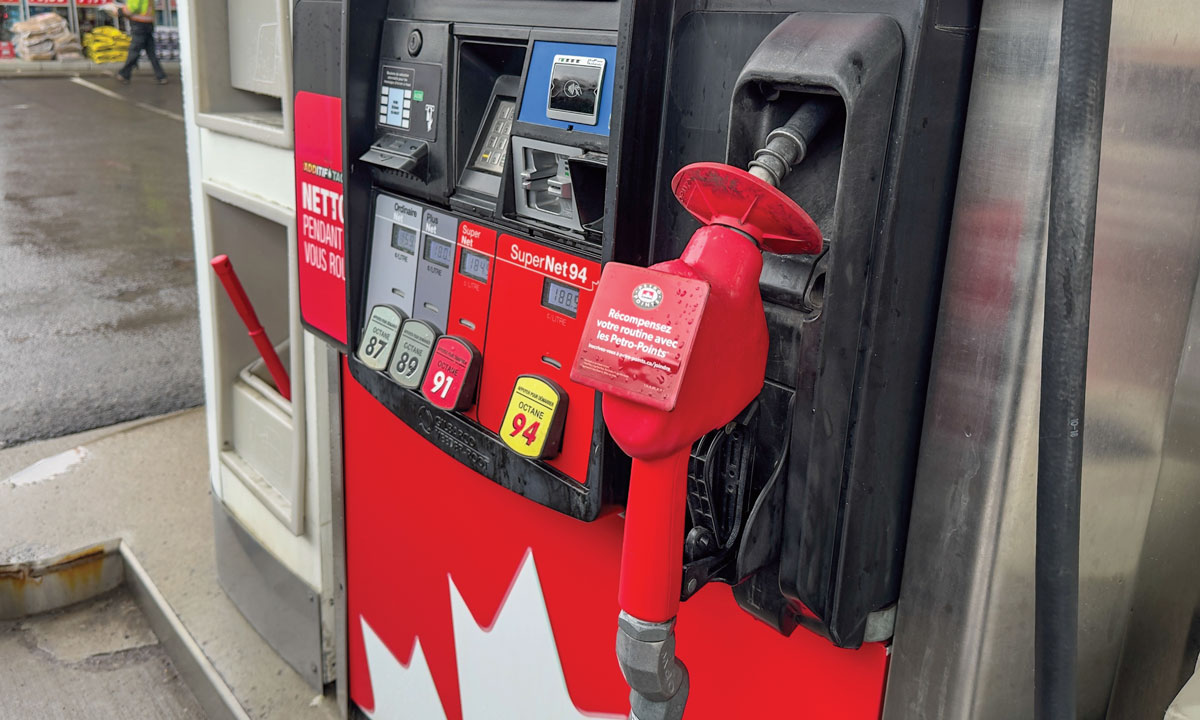
Rising fuel prices and economic instability are having a direct, multi-layered impact on consumer behaviour in the retail automotive market.
Buying patterns are shifting as the broader environment, including employment stability, moves between confidence and uncertainty.
As fuel prices and interest rates rise, total cost of ownership increases. The result is downward pressure on demand for both new and used vehicles.
Demand for larger, fuel-intensive vehicles is expected to soften.
Consumers will shift toward more fuel-efficient options, including hybrids and electric vehicles. New entrants to the Canadian market, such as BYD, will likely accelerate that transition.
Higher fuel costs are also changing how buyers evaluate a purchase.
Shoppers are looking beyond sticker price and focusing more on monthly cash flow. Fuel efficiency, maintenance, and operating costs are becoming central to the decision.
As costs rise faster than inflation, many consumers will delay major purchases.
Consumers are driving less, using transit more, and exploring carpooling. Efficiency is becoming a priority over convenience or performance.
Vehicles will be kept longer, which in turn tightens supply in the used market. Reduced availability will put upward pressure on used vehicle pricing and continue to reshape that segment.
Fuel-efficient used vehicles and EVs will become more influential in overall market dynamics.
Driving behaviour is also shifting.
Consumers are driving less, using transit more, and exploring carpooling. Efficiency is becoming a priority over convenience or performance.
Lower-income households are particularly affected. Many will delay purchases until conditions stabilize and confidence improves.
In response, dealers will adjust.
Inventory strategies will lean more toward hybrids, EVs, and compact, fuel-efficient models. Pricing strategies may also shift, with heavier incentives on less efficient vehicles.
Marketing will evolve alongside this change.
Expect greater emphasis on fuel economy, total cost of ownership, and affordability, along with messaging around longer loan terms and lower entry points.
Interest rates remain a critical factor.
As borrowing costs rise, some buyers will exit the market altogether. Others will move downmarket, choosing more affordable vehicles to manage monthly payments.
For many customers, cash flow has become the primary decision driver.
Fuel prices influence what people want. Interest rates determine what they can afford.
While the industry continues to look for signs of stabilization, current indicators suggest ongoing pressure in the near term.
Even so, the retail automotive sector has proven resilient.
As consumer needs shift, dealers will adapt, and the market will eventually find its balance again.