What lower-cost imports could mean for Canadian dealers
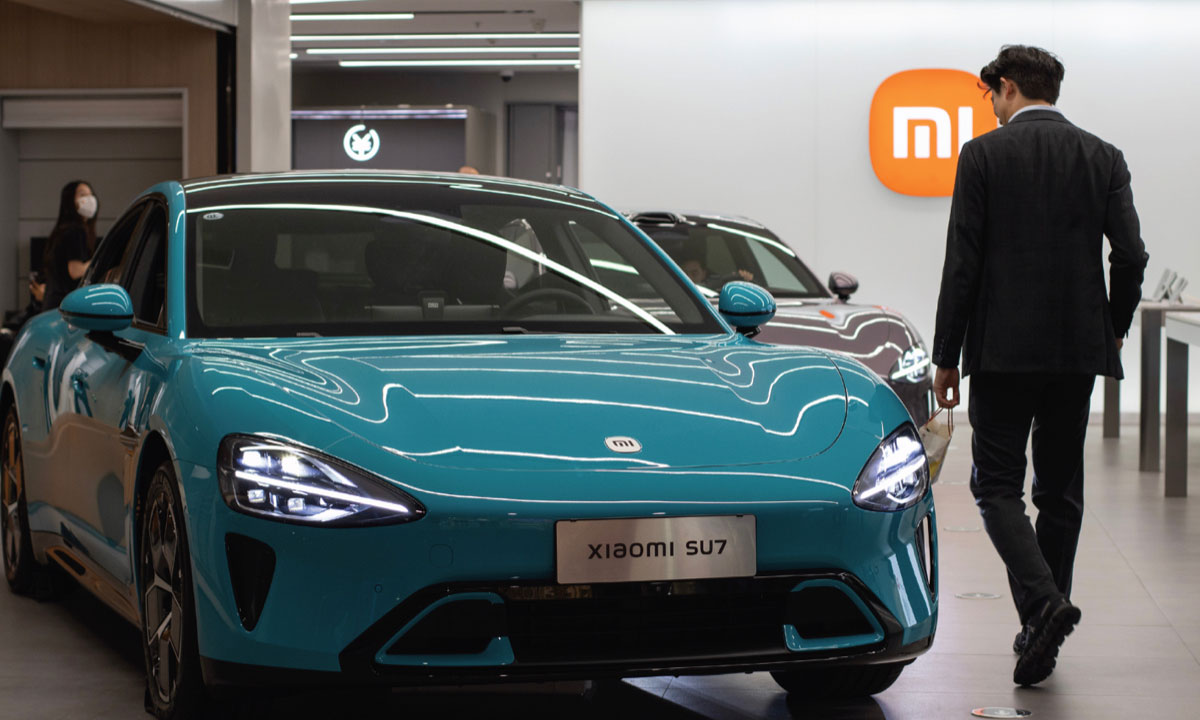
Recently, Prime Minister Mark Carney’s government signed a significant trade deal with China that opens the Canadian market to lower-cost electric vehicles.
The consensus is that companies like BYD, and others, will begin taking advantage of reduced tariffs and could import up to 49,000 Chinese-made vehicles per year.
Those in the Canadian automotive sector are asking familiar questions. Will this hurt auto manufacturing jobs? How will it impact vehicle sales? How will OEM partners respond? And is the retail automotive business at risk?
More Chinese EV choices will almost certainly push pricing downward. With tariffs potentially as low as 6.1 per cent, compared to the previous 100 per cent, consumers can expect substantially lower price points.
This could undercut EVs from brands like Chevrolet, Hyundai, and Tesla, while putting pressure on pricing and incentives across Canadian dealerships.
Dealers in major urban markets will likely feel the impact first. Chinese EV manufacturers are expected to establish a presence in Canada’s largest cities, competing not only for customers but also for talent.
Increased competition will force traditional franchise dealers — Ford, Honda, Toyota and others — to rethink their strategies. Expect more aggressive pricing, financing offers, warranty coverage, and feature packaging as dealers work to protect market share.
Dealers in major urban markets will likely feel the impact first. Chinese EV manufacturers are expected to establish a presence in Canada’s largest cities, competing not only for customers but also for talent.
Over time, Canadian consumers may become more receptive to these brands, particularly given their lower price points. Dealers that adapt quickly will be better positioned to capture both sales and service opportunities.
OEMs will also need to respond to remain competitive. That means updating product lineups, pricing strategies, and technology offerings.
Customer experience cannot slip. If anything, expectations will rise as consumers look for greater value. Dealers should be thinking now about how to leverage technology across all retail channels. Lower costs may be a retailer challenge, but consumers will expect the benefit.
Supply chains will also feel the effects. New parts will need to be manufactured and distributed across North American markets.
Batteries, steel, aluminum, and other components will require sourcing and transport, while inbound shipments through Pacific ports are likely to increase. This will place greater reliance on ocean freight, rail, and vehicle-handling infrastructure.
As a result, the customer experience — from ordering to delivery to servicing — may look different for Chinese EVs.
The broader impact is clear. The new EV agreement is likely to create ripple effects across Canada’s retail automotive sector.
As EV production expands and policy continues to favour electrification, dealerships will face both new opportunities and new pressures.
Retailers will need to invest in staff training, charging infrastructure, and updated service capabilities, while adapting to changing consumer expectations around EV ownership.
The direction is unmistakable. The shift to electric vehicles is accelerating, and dealerships that move quickly will be best positioned to compete in a changing market.