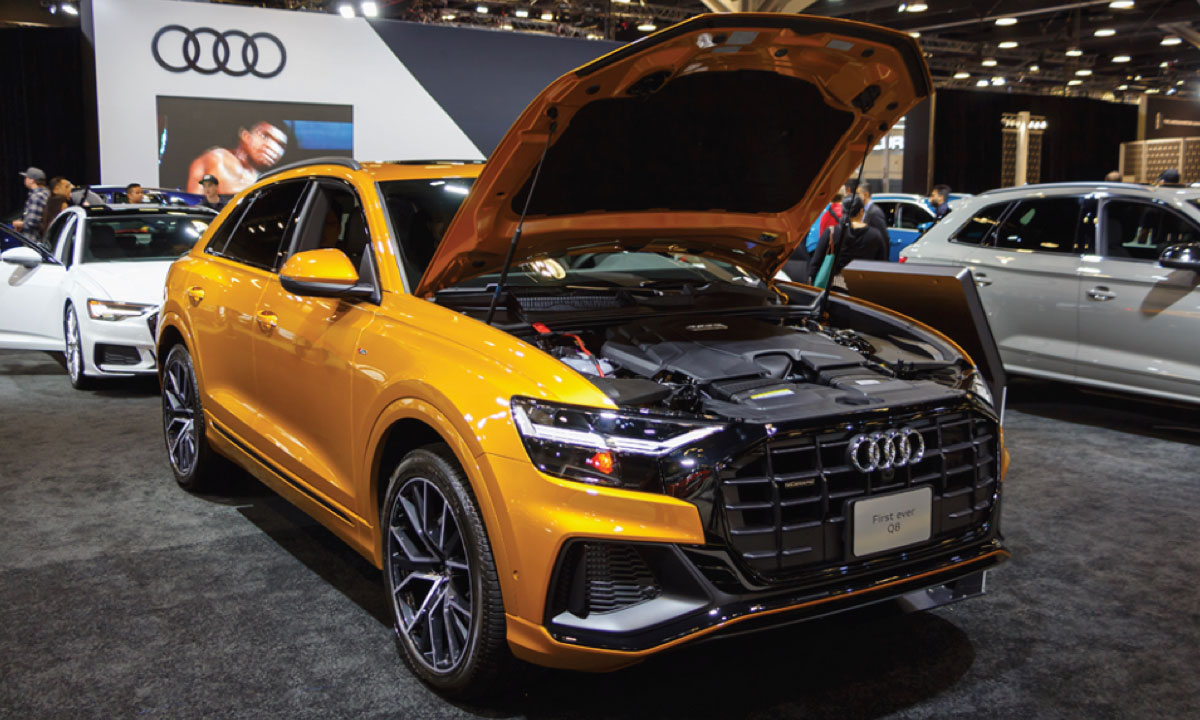
After years of disruption, record attendance and high-intent engagement show why auto shows continue to matter
For a while, I’ll admit, I wondered what the future held for the traditional auto show.
The Vancouver International Auto Show had been on pause for four years — sidelined first by the pandemic, then by global supply-chain disruptions that made full manufacturer participation impossible. Like many in the industry, I asked the question quietly but honestly: had the auto show model run its course?
That uncertainty made planning our return in 2024 feel especially consequential. We knew we couldn’t simply reopen the doors and expect momentum to reappear on its own. The world — and the automotive marketplace — had changed. Consumers had changed. Expectations had changed.
So instead of leaning on nostalgia, we focused on relevance.
The goal was simple but ambitious: to create an experience that reflected what’s new, what’s next, and what’s genuinely engaging about the automotive industry today. We assembled a lineup that brought together most major automakers, introduced new interactive features, and revived the crowd favourites people had missed.
Any lingering doubt disappeared quickly.
The Vancouver International Auto Show didn’t just return — it came roaring back. Attendance surpassed previous records, exceeding even our most optimistic forecasts. More than 129,000 people walked through the doors over five days in 2024.
And then 2025 raised the bar again.
This past year’s show welcomed nearly 139,000 attendees, setting new benchmarks not only for attendance, but for engagement. Scale matters — but what mattered more was why people came, and what they did once they were there.
The 2025 Visitor Experience Report tells a compelling story. Three-quarters of attendees came specifically to explore new vehicles and brands. Fifty-eight per cent were in-market within the next two years, and one in three planned to buy or lease within 12 months. Nearly a third said the show helped them finalize their decision.
That’s not casual foot traffic. That’s high-intent consumer engagement.
In a marketplace shaped by economic uncertainty, evolving trade dynamics, and shifting consumer confidence, the data confirms something important: the auto show is far more than a brand-awareness exercise. It remains a powerful, real-world sales accelerator.
Dealers benefit from access to a uniquely motivated audience. Consumers benefit from something that’s increasingly rare — the ability to compare vehicles side-by-side, speak directly with knowledgeable brand representatives, and experience products hands-on, including on-site test drives.
The feedback reinforces the point. Eighty per cent of attendees said the show helped with their vehicle decision-making. Nearly half added a new brand to their consideration list after attending. Experiential marketing isn’t a buzzword here — it’s delivering measurable results.
For dealers, manufacturers, and industry partners, the takeaway is clear. Auto shows continue to play a central role in the automotive ecosystem, connecting interest to action in ways digital channels alone can’t fully replicate.
The Vancouver International Auto Show continues to grow in both scale and influence, bringing consumers face-to-face with the vehicles and technologies shaping the future of mobility.
Looking ahead to the 2026 edition of the Vancouver International Auto Show, running March 25–29, it promises to be one of the most anticipated editions yet.
For dealers, government partners, and industry leaders, the show offers more than a vehicle showcase. It remains a platform for innovation, engagement, and connection, helping set the benchmark for automotive events in Western Canada.
The auto show isn’t back because it never really left — it evolved. And it remains one of the most effective ways to turn curiosity into confidence, and confidence into lasting customer relationships.