Everything I learned about the car business, I learned from the Swiss
I learned a lot living and working in Switzerland.
I remember my first visit for a business meeting. I was waiting for a colleague outside the hotel when I noticed a café across the street. I thought I’d pop in and grab a coffee to go before we drove to head office.
“Hello,” I said as I walked up to the counter. “I’d like a coffee to go, please.”
The man behind the counter looked at me as if I’d lost my mind.
“To go?” he asked, before delivering my first lesson in Switzerland. “If you don’t have time to sit down for twenty minutes at a table and enjoy a cup of coffee from a proper cup, then there is something wrong with your life.”
That moment stuck with me. The Swiss work hard, but they also take the time to enjoy life — to stop and smell the roses, so to speak.
Here in Canada, if a manager in a dealership tells you they worked through lunch or worked “bell to bell,” we often treat it like a badge of honour. “Wow, they’re such a hard worker,” we say.
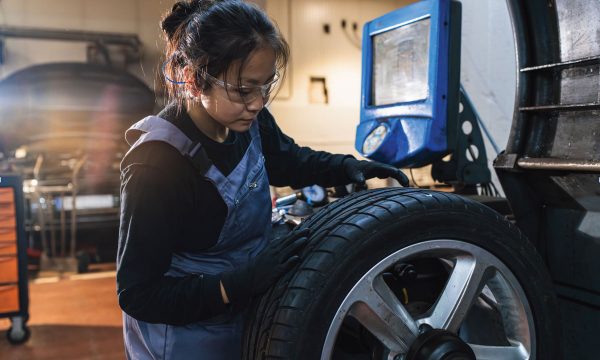
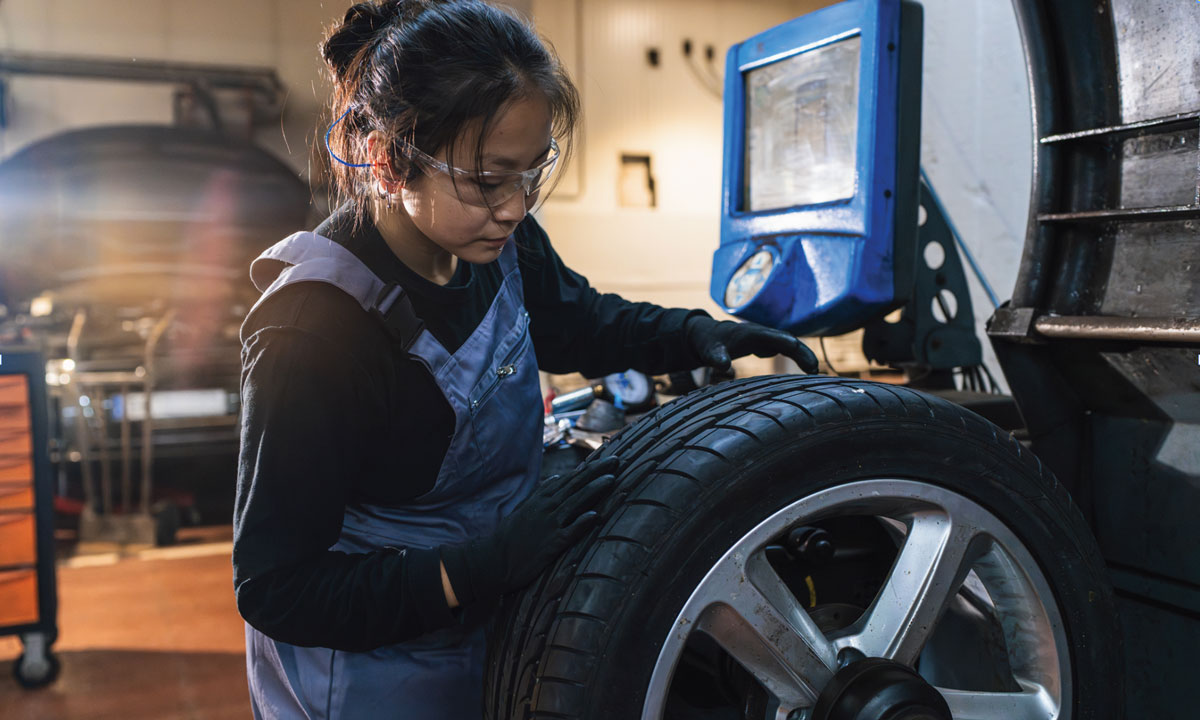
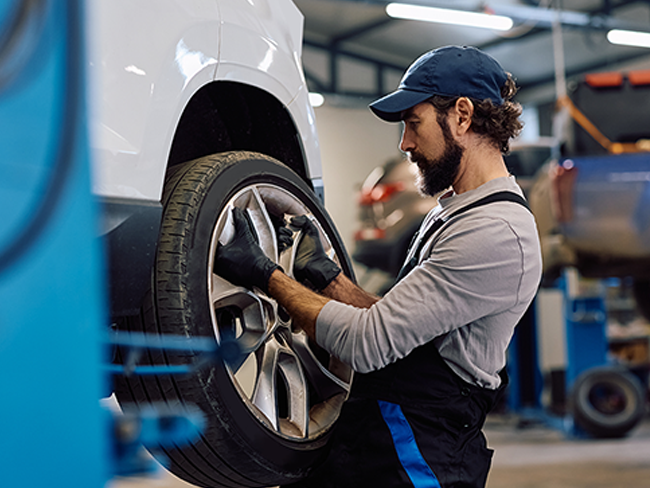
The best time to sell tires is in the service drive. Let’s make sure tires are checked with customers every time. It’s well known that the appointment-setting and service-reception process offers the greatest opportunity to increase hours per RO.
In Switzerland, I learned that if you didn’t take a lunch break or didn’t leave work on time, you were often viewed as disorganized — even incompetent. That may sound harsh, but it’s worth thinking about. In my business today, the number-one complaint I hear from successful managers is that they feel burned out and unappreciated.
Taking care of your staff is important, but taking care of yourself is just as important.
My next lesson was all about quality.
Every morning at six o’clock, I stopped at a bakery café near my home. They made the most incredible chocolate almond croissants. Warm, flaky, with just the right balance of almond and chocolate — a perfect way to start the day.
But despite arriving early, some mornings they were already sold out.
“How can you run out?” I asked one day. “You just opened.”
“I only make two dozen a day,” the baker replied. “And they go fast.”
I paused, then asked the obvious question: “Why don’t you make more?”
His answer surprised me. He said he couldn’t guarantee the quality if he increased production. He wasn’t there to make more money — he was there to make customers happy, to ensure they enjoyed their experience, and to honour his family name on the building.
“The money comes from happy, repeat customers,” he said.
That mindset applies perfectly to our dealerships.
What if we looked at customers the same way? What if we focused first on the experience — making sure customers feel confident they came to the right place, that their time is respected, and that they’re getting honest, thoughtful advice?
We are, after all, ladies and gentlemen servicing ladies and gentlemen.
Let’s not think of each visit as something to maximize in the moment, but as part of a lifetime relationship we can nurture. The old adage still holds true: sales sells the first car; service sells the next ten.
I’ve also developed a passion for Swiss watches. While they’re very different from croissants, the philosophy is remarkably similar.
There’s a Swiss watchmaker in the French-speaking part of the country that has been producing handmade timepieces for years. The waiting list to buy one is measured in years — anywhere from one to four, depending on the model.
The company produces just 400 watches per year and has no intention of increasing output. Why? For the same reason as the bakery: quality over quantity.
In the car business, we’ve become obsessed with quantity. There was a time when quality led the conversation, but things have changed. Manufacturers now compete across every segment, from pickup trucks to EVs, and volume often dominates the discussion.
Maybe it’s time to get back to basics.
In our dealerships, what if we focused on higher-quality work orders instead of simply more of them? I’d rather see more repair orders averaging 2.5 hours per RO than a flood of 0.5-hour jobs.
That starts with preparation. Review appointments a few days out. Ensure special-order parts are in stock. Review declined work and follow up with customers to add it to upcoming visits. If a vehicle is booked for an oil change but is due for scheduled service, reach out and adjust the appointment.
Can advisors spend more time on thorough walkarounds in the service drive? Can they engage customers more meaningfully on their concerns?
The best time to sell tires is in the service drive. Let’s make sure tires are checked with customers every time. It’s well known that the appointment-setting and service-reception process offers the greatest opportunity to increase hours per RO.
There is a lot we can learn from the Swiss approach: take care of ourselves, nurture long-term customer relationships, and focus relentlessly on quality.
And one last thing — Swiss chocolate really is to die for.