Canadian car sales could be hit hard in a few years due to mortgage renewal interest rates, according to two automotive financial experts.
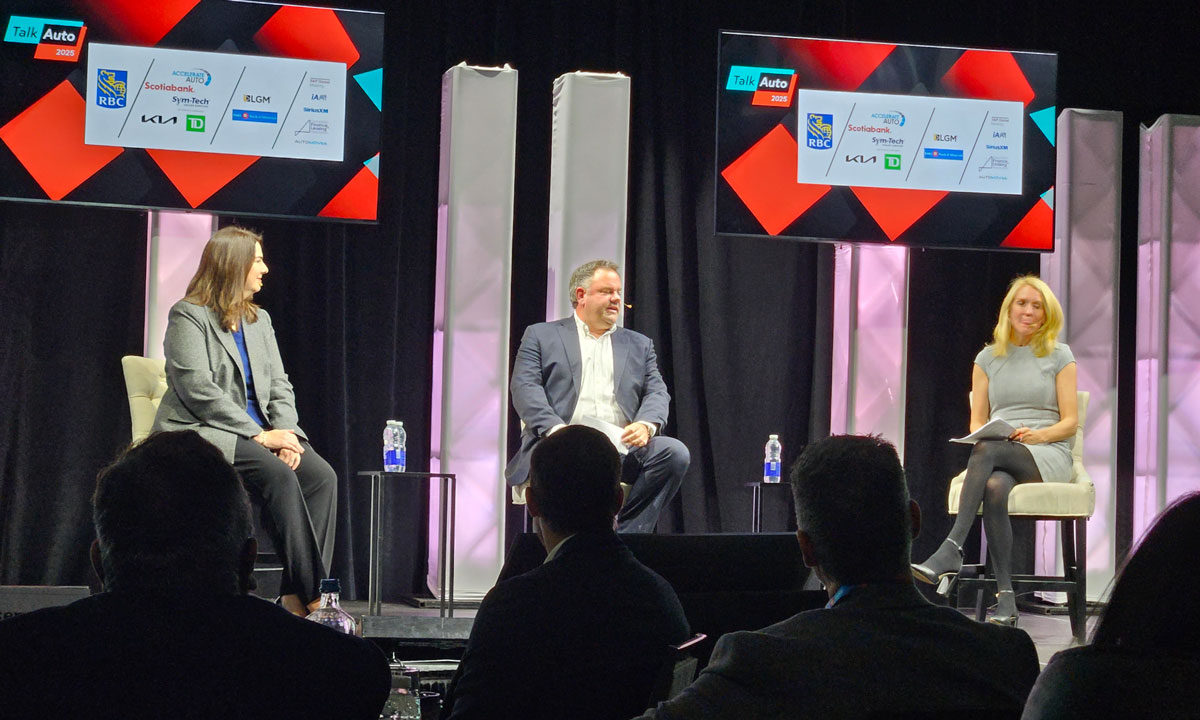
Robert Karwel, Senior Manager for Automotive Practice in Canada at JD Power, and Scotiabank Economic Analyst John Fanjoy told Canadian auto dealer that the majority of Canadians have yet to reach the renewal of their five-year closed mortgage. When they do, it could impact their vehicle purchases.
“That will be something that will take a lot of steam out of the marketplace and that’s going to be a challenge,” said Karwel. “You have to live and eat before you buy a car. The average vehicle financing payment is about $850 now. That is with a whole bunch of people having a sub two per cent mortgage on their home.”
When these consumers renew, Karwel said it will be between four and six per cent higher. This, he added, is what keeps him and others in the industry that analyze these situations up at night more than the risk of a recession: the mortgage renewal cycle.
 Karwel said if the interest rates come down — and there have been suggestions the Bank of Canada may begin that process in June — it relieves some of the stress from the mortgage renewal cycle, but won’t have an overall significant impact on vehicle sales.
“It might be more of a relief for consumers, but does that change someone’s mind whether they are going to buy a car or not? I don’t think so,” said Karwel. “But it’s going to relieve some anxiety amongst the OEMs and dealers in terms of increased vehicle sales. It will help out in terms of that, but I don’t think it’s a big impetus to spur more sales.”
Similarly, Scotiabank’s economic analyst said that a small percentage drop will not make an appreciable difference.
“On aggregate, it will take some time and some more cuts than just one or two from the Bank of Canada in order for that to maybe appear to a more meaningful change that consumers could see when looking to finance a vehicle purchase,” said Fanjoy.
He added that about a third of Canadians have a mortgage. Within that, there is a smaller subset who will see their mortgages refinancing at higher interest rates than what they may have locked into three-to-five years ago.
“As time goes on and markets price change within the Bank of Canada policy rate it may not be the case that households will be refinancing their mortgages at the high interest rates we’re seeing today, but rather potentially lower interest rates,” said Fanjoy. “That offsets some of the concern about mortgage financing shocks.”
Some households may feel the higher mortgage resetting payments, even as the Bank of Canada is expected to cut. And they may be faced with the need to prioritize certain purchases. As Fanjoy noted, “it may mean putting off a new vehicle purchase, or buying a lower-price new vehicle or a used vehicle in order to accommodate for the higher interest payments.”