SEE MORE COVERAGE OF CADA SUMMIT 2015

A staple of the CADA Summit is a panel discussion where OEM leaders representing different brands take the stage in front of a room full of Canada’s top dealers. It always makes for interesting discussions.
During this year’s event, moderated by Niel Hiscox publisher of Canadian auto dealer, the representatives from the manufacturers tackled issues ranging from the economic outlook, the customer experience, the importance of brand and image, and everything in between.
“There’s no better time to be in the car business, particularly on the luxury side,” says Lindsay Duffield, President, Jaguar Land Rover Canada, one of the OEM panelists.
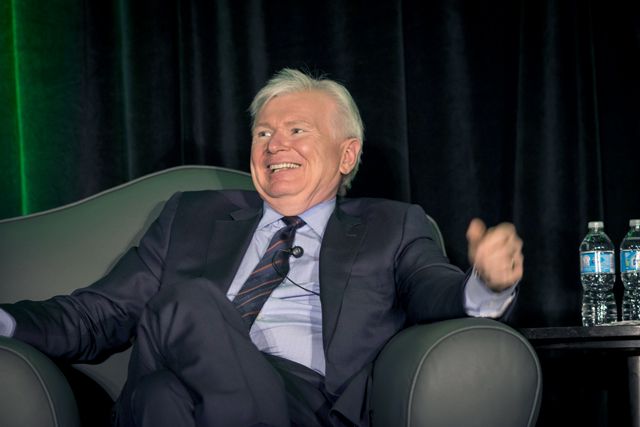
Lindsay Duffield, President, Jaguar Land Rover Canada
Duffield was joined by Larry Hutchinson, vice-president of Sales and Marketing at Toyota Canada, and Mike Ricciuto, Director of Product and Corporate Strategy, Hyundai Auto Canada.
Because Jaguar Land Rover is growing at a fast rate, Duffield says the automaker is focusing its efforts on rebuilding two iconic brands since being acquired by Tata Motors Limited and is undertaking a new imaging program.
Hiscox asked panelists to share their thoughts on the challenges behind brand building and having a consistent look and feel across dealerships.
Hyundai’s Ricciuto says that in this day and age, it’s sometimes hard for consumers to differentiate between vehicles based on pricing alone. But powerful brands can create the desire and willingness for consumers to pay a premium.
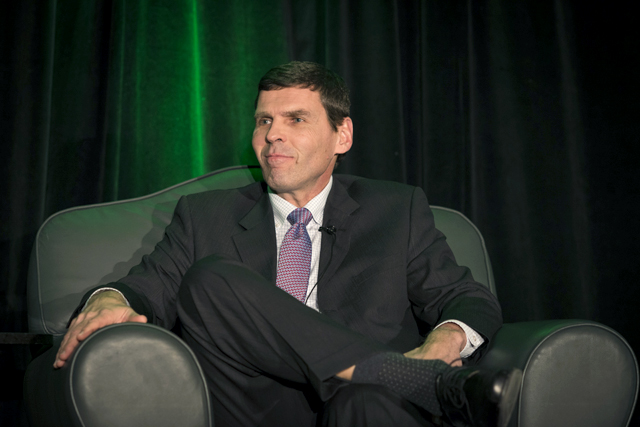
Larry Hutchinson, vice-president of Sales and Marketing at Toyota Canada
For Toyota’s Hutchinson, the brand building goes beyond Canada. He says it’s important to have consistency throughout the processes put in place — even internationally. “Trying to get one brand is important and that resonates with consumers,” says Hutchinson, adding it’s important to recognize that regions do vary but should still be aligned with the brand.
Consistency of the customer experience, particularly at the facility level, is often a source of conflict between OEMs and their dealer body.
The goal, says Duffield, is not to “McDonaldize” the dealerships, but to create a positive customer experience throughout the world, so that dealerships can meet customer expectations about the brand when they walk in.
“A good experience in Winnipeg will be known around the world, and a bad one will be known around the world within seconds,” Duffield adds.
He cited the Target retail chain as an example, which was beloved in the U.S. but failed when it came to Canada. Starbucks, on the other hand, provides a fairly consistent experience around the world, says Duffield. “Customers don’t want surprises,” he says. “They want to walk in and get the same experience.”
The OEMs said it’s also important to tailor the sales process to customers while trying to abide by a consistent process. Some customers, such as millennials, are more interested in the connectivity aspect of their vehicles, while boomers are looking for a premium feel and drivability factor.
Ricciuto says salespeople need to do a better job at assessing the needs of individual customers, to help ensure they feel comfortable they are buying the right product. It’s also up to the OEMs to help with the training to ensure sales and customer success.
Panelists also discussed the impact of the current economic climate, the high price of oil and other factors impacting vehicle sales, the changing customer demographics and the importance of the test drive during the vehicle purchase experience.
The 2015 CADA Summit is organized by the Canadian Automobile Dealers Association, and is supported by an exclusive sponsorship from TD Auto Finance.