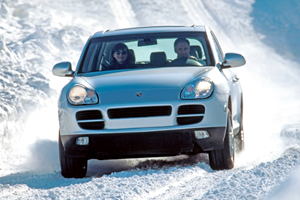
 At the start of each winter, it often seems as if many motorists forget about the challenges cold weather driving presents. And, based on a new survey from the Goodyear Tire and Rubber Company, it appears 2012 is shaping up to be no different. The survey, which targeted drivers in major cold-weather markets across North America showed a general lack of adjustment in driving habits and vehicle preparation when it comes to frosty and slick conditions.
Too few drivers take basic precautionary measures ahead of the season, such as getting their engine checked or switching to winter tires. According to the data, more than 75 per cent believe winter tires make a difference in challenging winter weather, yet 58 per cent of those in cold-weather areas don’t use winter tires. These habits and perceptions are the same across drivers who have and haven’t been involved in any winter accidents.
“Simple things, such as equipping your car with a set of winter tires, can make the difference in challenging winter driving conditions,” remarked Brandy Gadd, marketing manager for Goodyear. “A set of superior-performing winter tires, such as Goodyear’s Ultra Grip Ice WRT tires, helps provide consumers with the superior traction they need to confidently drive in ever-changing winter conditions.”
More than seven in ten (73 per cent) of respondents said they drive just as much in the winter, if not more often, than in other seasons, and 19 per cent also claimed they don’t drive any slower, even during slippery road conditions. During the winter months, this failure to prepare for changing winter weather could be the reason more than half of them (51 per cent) actually fear other drivers more than icy weather conditions.
In Quebec, where winter tires have been mandatory for the past five years, a 2011 study by the Ministry of Transport has shown that winter tires make an impact on improving road safety. A comparison of data from 2008-2009 and 2009-2010 with numbers for the five preceding years indicates a reduction in the number of crash victims during the years of mandatory winter tire versus the earlier years (a net reduction of five per cent).
According to Goodyear’s survey, 23 per cent of drivers wait until the first storm to put on winter tires, instead of doing it ahead of time, and 25 per cent of drivers are unaware of the importance of putting winter tires on all four wheels. But even for those who equip their vehicles with winter tires, it is not enough to ensure a safe winter driving season.
To ensure safe driving during this winter season, experts recommend several tips. These include:
• Checking your tire pressure and tread: your tires need good traction to keep your car on the road. It’s important to have adequate tire tread – and in particularly cold climates, drivers should consider the use of winter tires.
• Drive Slow: Remember, just because you have superior traction doesn’t mean you can speed in snowy and icy conditions. When approaching intersections, stop signs, turns or any area where you have to decelerate, take your foot off the gas, apply the brakes gently and give yourself a cushion in case of slippery conditions.
• Invest in winter tires: Winter tires are designed for optimal flexibility and grip in winter driving conditions, improving vehicle handling, traction, braking and safety. This not only includes snow, ice and slush, but also dry conditions when the temperature falls below 7 degrees celsius (47 degrees Fahrenheit).
• Keep it clean: If snow is left on the hood, it can fly onto the windshield, obstructing your view. If snow is left on the roof, it can slide onto the rear window. Snow on the roof and tailgate can also fly off the car, especially at high speeds, affecting other cars.