For dealers heading into 2027, deciding what matters beats keeping up.
I don’t think anyone who has been working seriously with AI over the past year can pretend it hasn’t moved faster than expected. Things that seemed remarkable at the beginning of 2026 already feel fairly ordinary.
AI can reason across enormous amounts of information, create images and video, write code, carry on natural voice conversations and increasingly use tools to complete tasks on our behalf.
At the same time, the noise surrounding AI has become almost impossible to navigate. Every technology company has an AI story, everything is a copilot, assistant or agent, and every few weeks another model or announcement suggests the world is about to change again.
For someone running a dealership, I’m not convinced keeping up with all of it is particularly useful. The better question as we head toward 2027 is simpler: What has actually changed, and what deserves our attention?

One change being overlooked is that the AI model itself is becoming less important. For a while, everyone wanted to know whether something was powered by ChatGPT, Claude, Gemini or another model.
For dealers, what increasingly matters is whether a system understands your business, has access to the right information, can do something useful with it and, most importantly, whether you can trust the result.
In some ways, AI is actually starting to disappear. That sounds strange given how much we’re talking about it, but it’s increasingly being embedded into the software we use.
Eventually, we won’t describe every feature as “AI-powered” any more than we describe a website as “internet-powered.” We’ll simply expect software to understand what we’re asking, find information, recognize patterns and help us get things done.
There is another change worth watching. If the first phase of generative AI was about asking a question and getting an answer, the next is about giving AI an objective and allowing it to work through the steps required to accomplish it.
This is where agents and “agentic AI” enter the conversation. The terminology matters less than the behaviour.
An AI that tells you which vehicles have been sitting for 90 days is useful. One that continuously watches inventory, notices a developing problem, looks at pricing, leads and market activity, and brings you a recommendation before anyone asks is something different. Give it permission to take action and we’ve crossed another line.
Not everything that can be automated should be automated, and not every error carries the same consequence. An AI that’s right 90 per cent of the time might be extremely useful for finding patterns across thousands of records. Ninety per cent might be unacceptable if it’s changing a financial record, making a regulatory decision or communicating something sensitive to a customer.
For dealers, what increasingly matters is whether a system understands your business, has access to the right information, can do something useful with it and, most importantly, whether you can trust the result.
The question isn’t simply whether AI can do something. It’s what happens when it gets it wrong.
That brings us to people, because underneath much of the AI conversation is the question of jobs. I don’t think anyone can credibly tell you exactly how this plays out. Some tasks will disappear, some roles will change substantially, and new ones will emerge. What seems clearer is that people who learn to work effectively with these systems will be capable of doing considerably more.
For dealerships, a more useful approach might be to walk around the business and ask two questions: What are good people spending time doing today that a machine should probably be doing? And what are people doing that we absolutely don’t want to lose?
A great service advisor doesn’t create value because they can move information between systems. A great salesperson isn’t great because they can type a follow-up email. Their value is judgment, experience, relationships and knowing what to do when the answer isn’t obvious.
If AI gives them more time for those things, that’s a very different conversation from asking how many jobs we can automate.
There will be pressure to put AI everywhere simply because we can. Some of it will create tremendous value, some will be technology looking for a problem, and some may remove human interaction from places where human interaction was the valuable part.
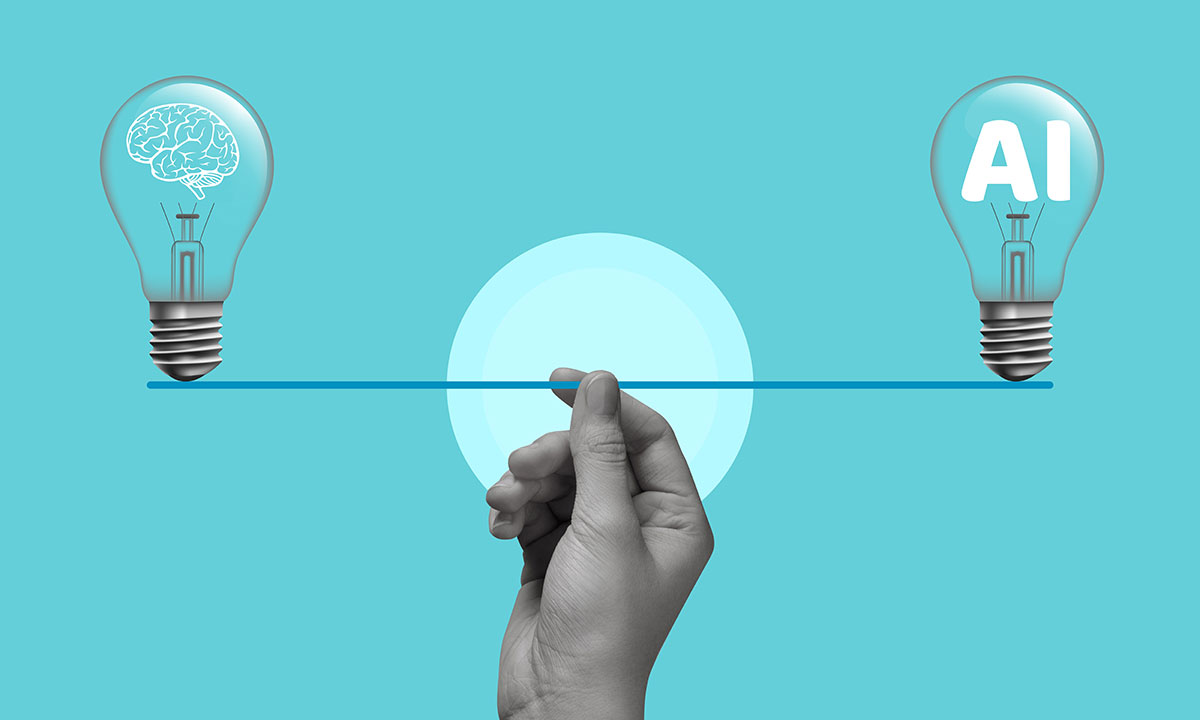
I believe one of the most important AI skills for 2027 is knowing what not to automate.
The dealerships that navigate this transition best may simply be the ones that get very good at distinguishing between what AI can do, what it should do and what their people still do better.
After all the announcements, agents, copilots, models and acronyms, that may be the most useful thing to remember heading into 2027: Technology keeps giving us new capabilities, but leadership still has to decide which ones are worth using over the long term.