Auto shows open minds. Dealers should seize the opportunity.
For nearly 20 years, I’ve built communications plans around one of the most powerful tools in the automotive industry: the consumer auto show.
Here in Canada, we’re fortunate to have a strong series of regional shows. They aren’t just spectacles. They are real opportunities to influence the path consumers take on their vehicle-shopping journey.
New findings from the Vehicle Buyer Opinion Survey, designed by Clarify Group and sponsored by Universus Media Group, show that 28 per cent of respondents plan to purchase or lease a new vehicle within the next 12 months, while 56 per cent are open to switching brands.
The study also found that 84 per cent see their vehicle primarily as a “means of transportation.” “A safe space for me and my family” ranked a distant second at 40 per cent.

That points to a fairly pragmatic mindset toward vehicle ownership. Add economic concerns and new brands expected to arrive from China, and this year’s auto show circuit could be particularly important as consumers sort through more choices.
The question is: What can dealers do to take advantage of it?
Go to the show — if you can
The numbers put auto shows squarely in a dealer’s sweet spot. More than half of buyers are open to switching brands. More than a quarter are thinking about their next vehicle right now.
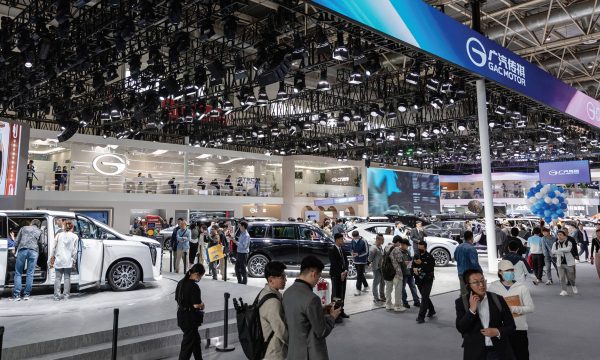
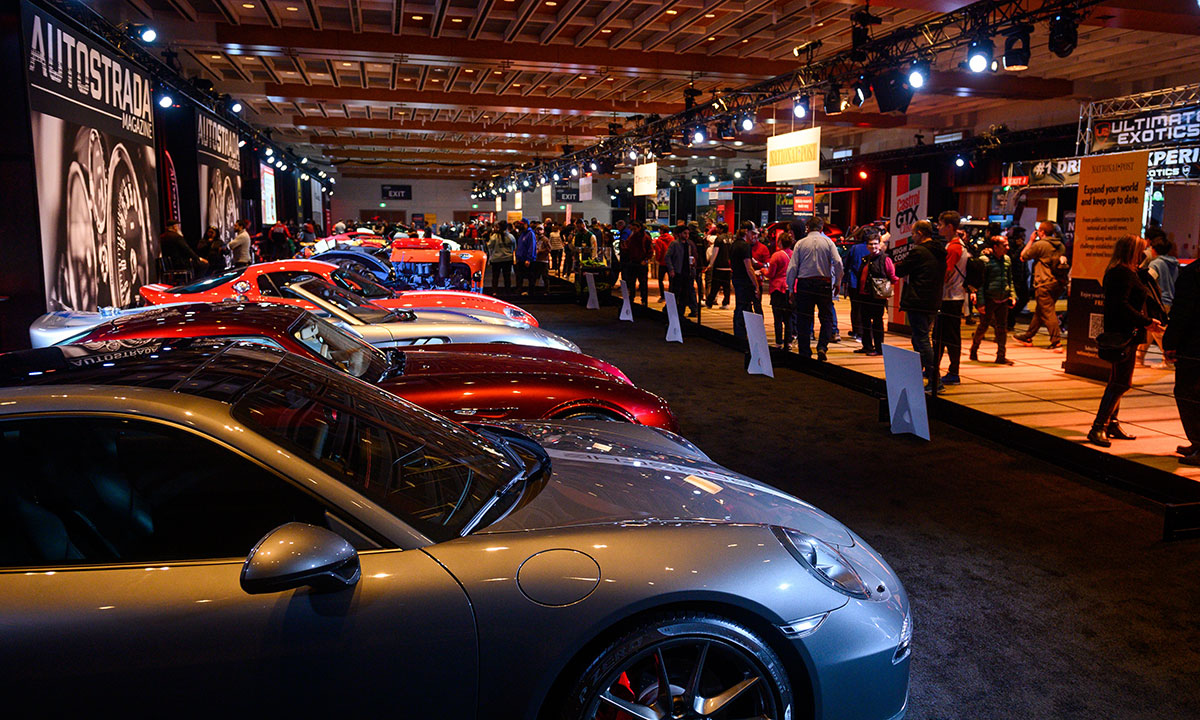
And the show floor — with its reveals, refreshed trims and first looks at what’s coming — is exactly where some of that reconsideration happens.
It’s easy to think of the auto show as the manufacturer’s stage. OEMs build the booths, bring in executives and unveil the new products.
But the shopper standing in front of that vehicle, wondering whether another brand offers the features or price point they want, isn’t going home to buy from the OEM. They’re going to a dealership.
And when they arrive, they will expect you to know more than they do.
So go to the show if you can. Walk the floor. Bring your team, send people in groups on different days or nominate someone to attend if the show isn’t local.
See what’s new from the brands you sell — and the ones you don’t. Seeing it firsthand makes it much easier to talk about when customers come in.
If they’ve been to the show and your team hasn’t, it becomes harder to be seen as the product experts you are.
Be part of the conversation
You don’t need a show in your city to be part of what’s happening there.
When an OEM you carry makes an announcement — a reveal, a new trim or a pricing change — you already have material for your own channels.
Post a short reaction video. Explain what the announcement means for local buyers. Talk about what caught your eye, which new vehicle your customers might care about or what will be arriving at your dealership soon.
It costs very little and puts your dealership into a conversation your customers may already be having.
Genuine, on-the-ground content can also work better than highly polished material because it doesn’t feel like another ad.
Become a source, not just a seller
If you’ve attended the show, let people know.
Local media may be interested in a short opinion piece or “what to expect” article from someone who knows the products, particularly when a reveal involves something unfamiliar.
That could become especially relevant as new Chinese brands enter Canada and consumers start asking questions about vehicles and companies they have never encountered before.
A byline or interview in a trusted local outlet can build credibility in a way another ad simply can’t.
Get ahead of the questions
With new brands, technologies and vehicles entering the market, dealers should expect customers to arrive with more questions and more comparisons in mind.
That applies whether you sell those brands or compete against them.
Brief your sales staff before and during auto show season. Make sure they know what has been revealed, what has changed and how the products compare.
When customers arrive curious about something they saw at the show, your team should be ready to turn that curiosity into a useful conversation.
Be ready for what comes next
Two decades in this business have taught me one thing: Auto shows work because they turn abstract interest into something people can actually stand in front of.
They take curiosity and turn it into awareness and familiarity.
But shoppers who leave a show with a revised — and often shorter — list will still have questions before they make a decision. Someone will need to answer them: your team or someone else’s.
The show can open the door.
Whether your dealership gets the customer may depend on who is ready when they walk through it.