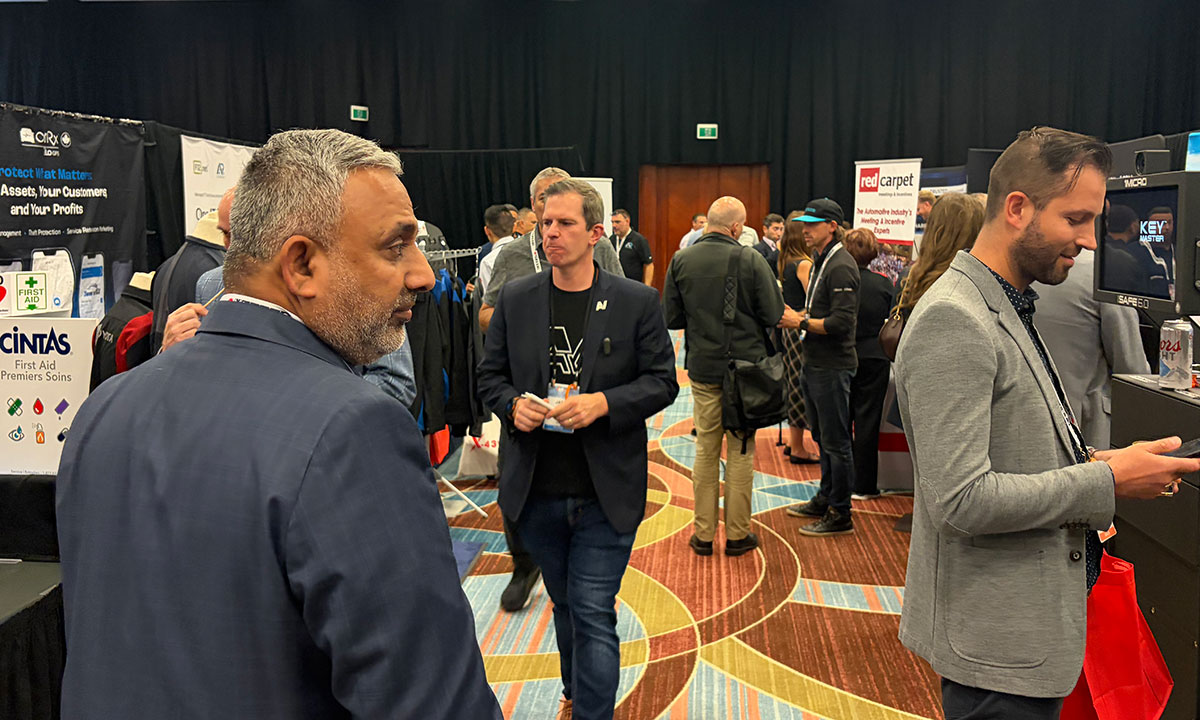
The conversations on the trade show floor at the 2026 Automotive Conference & Expo (ACE) offered a revealing snapshot of the issues facing Canada’s auto dealers. Artificial intelligence was everywhere, but so were concerns about affordability, trade uncertainty, regulatory pressures and the challenge of retaining customers in an increasingly competitive market.
Exhibitors at Fallsview Casino Resort in Niagara Falls on October 15-16 were promoting everything from AI-powered customer engagement and inventory sourcing to tire-service equipment, F&I programs and dealership management systems. Several said the conversation with dealers has changed. Instead of asking only what a new product can do, retailers want to know how it will improve productivity, protect margins and fit into the way they already operate.
Canadian auto dealer spoke with a select group of a dozen exhibitors about what they were showcasing and what they were hearing from dealers. The following are edited accounts of those conversations, presented alphabetically.
Canadian Automobile Dealers Association (CADA)
CARFAX Canada
DSMA
FliteHouse
Hunter Engineering Canada
iA Dealer Services
LGM Financial Services
PBS Systems
Reynolds and Reynolds
Santander Consumer Bank
Sym-Tech Dealer Services
TRADER
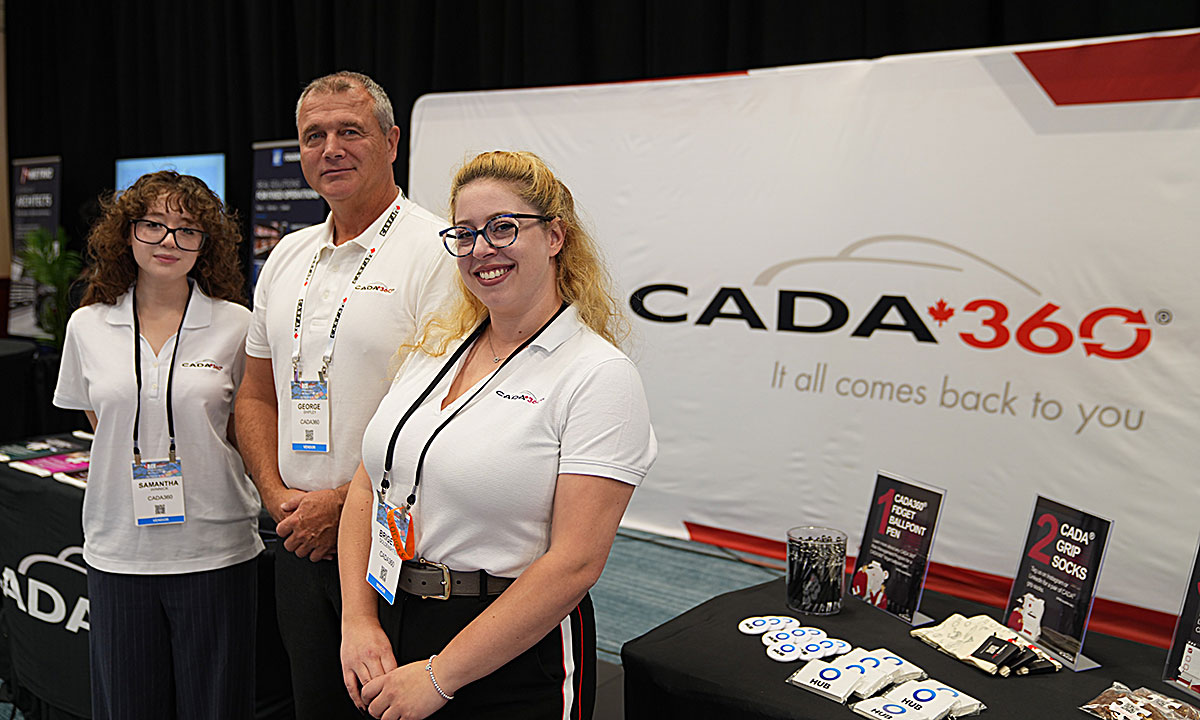
Canadian Automobile Dealers Association (CADA)
Brigette Goldenshtein, Manager, Marketing & Communications
We’re taking a broader approach to ACE this year. In addition to our main CADA presence, we have a Hub booth and a separate CADA 360 DriveHR booth, with our CADA 360 programs and partners represented across the space. The idea is to make it easier for dealers to find the right person to answer a question, whether it’s about an association program, a service available to their dealership or something they’re facing in their operation.
We’ve brought more people from our various programs and partner organizations than in previous years. Rather than expecting everyone to come to a single location and speak to one or two representatives, we have specialists on the floor who can explain what is available and connect dealers with the support they need. For us, that’s the real value of participating in an event like ACE: meeting people face to face and having useful conversations.
We’re also contributing to the education program. Kevin Disher and Charles Bernard are presenting on the trucking industry, while Mandy Comeau and I are participating in a workshop on leadership and the dealership workforce. That session draws on findings from the latest CADA Workforce Study. We want to go beyond presenting the numbers and help dealers understand what the findings mean for their businesses, particularly when it comes to recruiting, retaining and supporting employees.
Some of the workforce results are startling, but the important part is discussing what dealers can do about them. We want people to leave with a better sense of where their dealership may be falling short and what practical changes they can make.
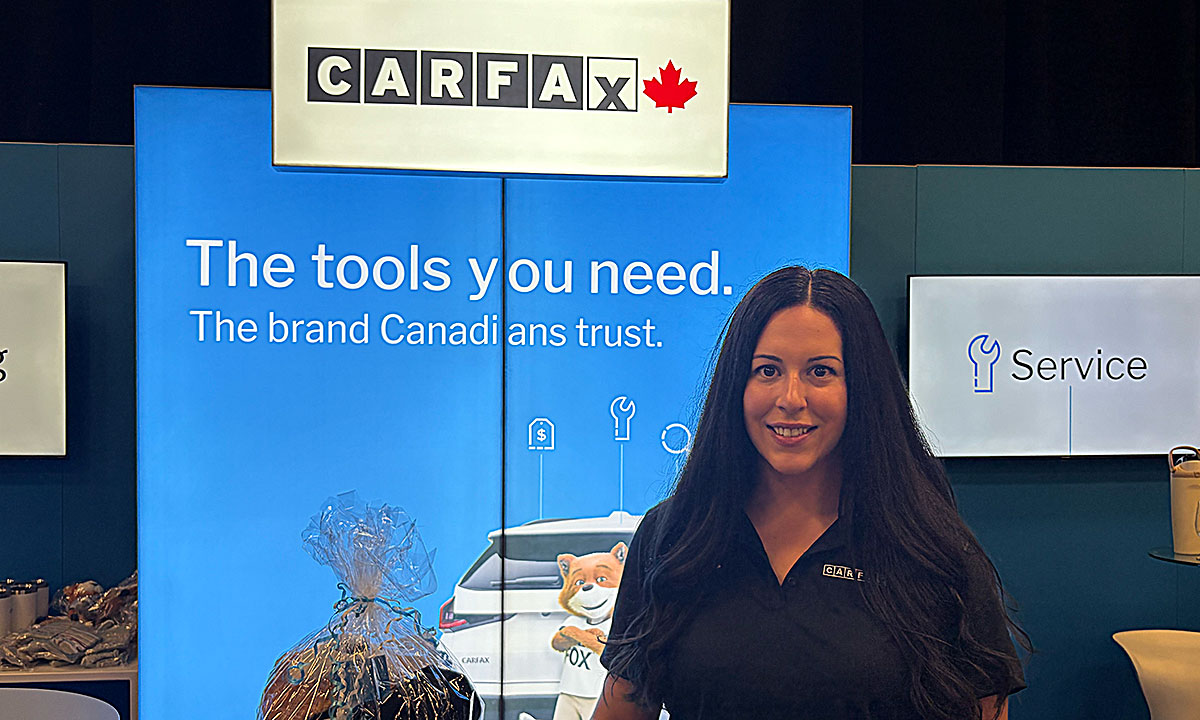
CARFAX Canada
Sarah Hunt, Sales Manager, Ontario and Atlantic Canada
One of the main things we’re showcasing at ACE is CARFAX Canada Sourcing, a new tool designed to help dealers find the right used vehicles for their lots without spending so much time sorting through potential acquisitions. Finding inventory is only part of the challenge. Dealers also need to know what they should pay, what the vehicle is likely to retail for and whether there’s enough margin to justify the purchase.
Sourcing brings potential acquisitions from multiple sources into one view, allowing dealers to research and compare vehicles more efficiently. It uses information such as retail and wholesale values, market-based listing prices, market days’ supply and expected days to sell. Dealers can prioritize vehicles based on potential gross profit and return on investment rather than simply chasing available inventory.
Our vehicle-history information is part of that process. Users can look for signals involving accidents, odometer readings and ownership history when assessing a vehicle. The aim is to help them identify promising acquisitions sooner, avoid low-margin purchases and make more informed decisions before they commit their money.
A lot of people still associate CARFAX primarily with vehicle-history reports, so part of our job at the show is explaining how much more we’re doing. We’ve developed a broader suite of valuation products to support appraisals and other dealership decisions, and Sourcing is another step in that direction. Dealers have been receptive once they see how the information can fit into their inventory-acquisition process.
ACE is also a chance for us to listen. We have a team of about a dozen people here from different departments, including product specialists, because it’s important that the people building our tools hear directly from dealers. We want to understand how their businesses are performing, what’s becoming more difficult and what features would actually save them time. The conversations we have here help shape how we improve our products, and they give us a chance to maintain the relationships we’ve built with dealer partners across the country.
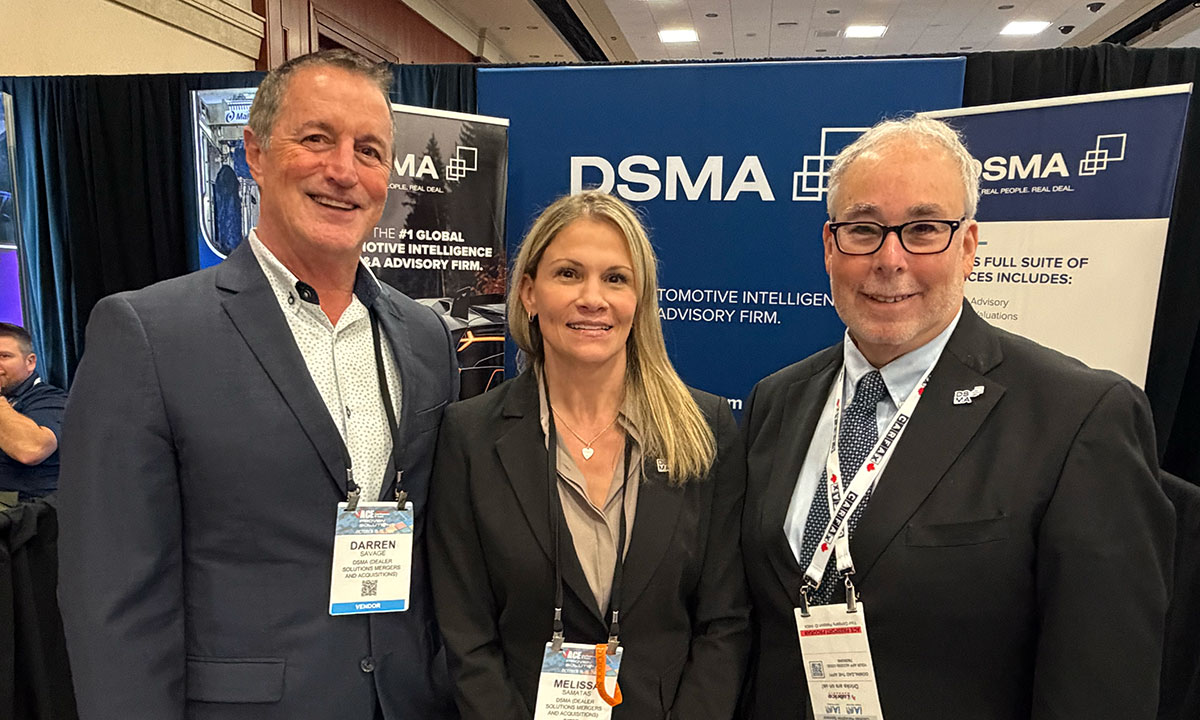
DSMA
Melissa Samatas, Chief Operating Officer and Partner
Our focus at ACE is to make sure dealers understand the options available to them, especially in a period when the value and future direction of a dealership can feel less predictable. Tariffs, new vehicle technologies, the potential arrival of more Chinese brands and changing competitive pressures are causing owners to ask questions they may not have faced a few years ago. What’s my business worth? Do I want to expand? What does my five- or 10-year plan look like?
We help dealers work through those decisions. That can mean valuing an operating business, advising on an acquisition, planning a sale or developing a succession strategy. For some single-point dealers and smaller groups, the question is becoming whether to grow or consider selling to a larger organization. It’s harder to compete without the economies of scale available to a larger group, particularly when technology and other operating costs keep changing.
Succession is a big part of the conversation. Some second-generation family members are deciding they want careers outside the dealership business. Even when the family wants to retain ownership, it’s important to establish a clear structure for who owns the business, who manages it and how the transition will work. Without a plan, the family can be left with difficult decisions, and manufacturer approval is an important consideration in any change of control.
There’s still considerable merger-and-acquisition activity. We’re seeing individual stores sell to smaller groups, smaller groups join larger ones and established groups review their portfolios and sell businesses that no longer fit their priorities. There are also Canadian dealers continuing to look at acquisitions in the United States, even as interest in Canadian stores from some U.S. buyers appears to have cooled.
We’ve expanded our services into real estate brokerage as well. Dealership owners often have substantial real estate holdings, both inside and outside the auto business. We can help evaluate those assets alongside the operating company and explore sale, investment or real estate investment trust options. The point isn’t to tell every dealer to sell. It’s to help them understand their position and make an informed choice about what comes next.
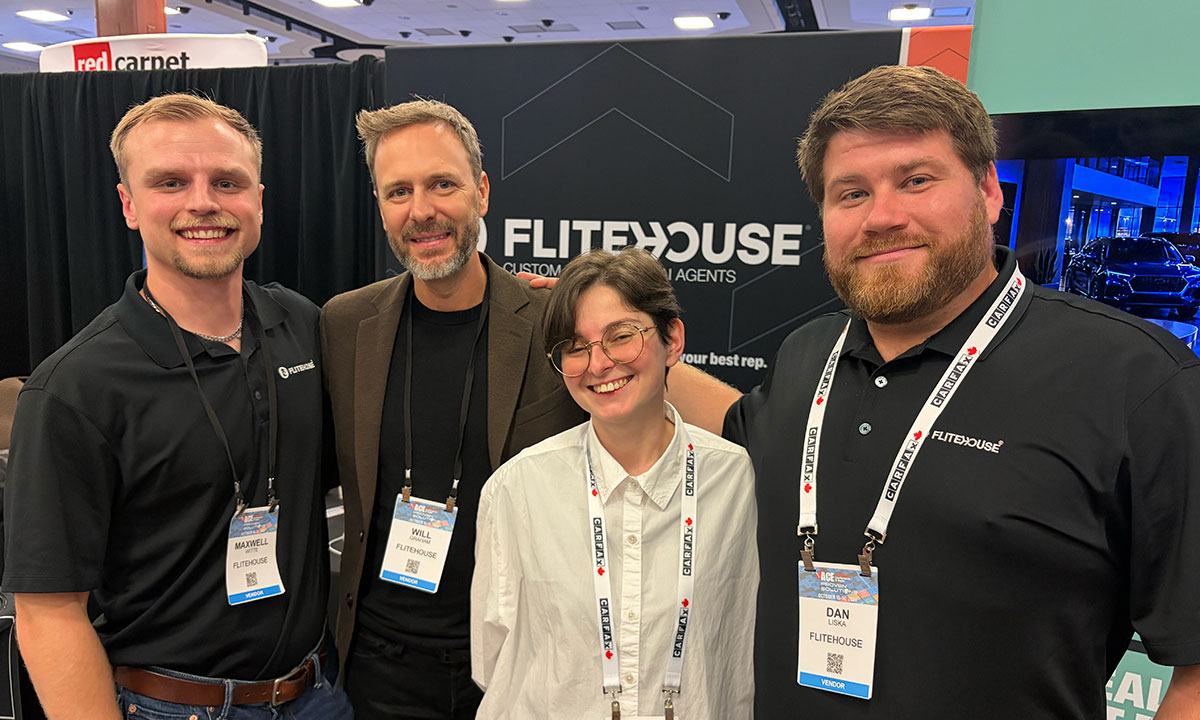
FliteHouse
Dan Liska, Co-founder and CEO
The main message we’re bringing to ACE is that the way people shop for vehicles is changing, and dealerships need to change the way they engage those shoppers online. Visibility in AI tools such as ChatGPT, Claude and Gemini is becoming more important, but simply getting a customer to a dealership website isn’t enough. A website shouldn’t function only as a brochure. It should engage visitors in a way that feels closer to the experience they’d have in a showroom.
We’re demonstrating Seny, our AI platform for customer conversations across different channels. The same underlying system can handle incoming or outgoing interactions by voice or text, speak with someone visiting a website and transfer that conversation to a member of the dealership team. We’ve also been showing video capabilities, including the ability to create a vehicle walkaround video using a VIN, without asking a salesperson to stop dealing with the customer in front of them.
What makes that useful is the amount of work dealership employees are already trying to do. A service advisor serving a lineup of customers can’t always answer every call at the same time. A salesperson working with a buyer in the showroom may not be able to create another video or follow up immediately with an online lead. We’re trying to take some of those tasks off their plates, not replace the people doing the jobs.
We’ve invested in proprietary technology, including our own voice engine, rather than relying entirely on outside providers. That gives us more control over response times and how the system performs. One feature we’re particularly pleased with is its ability to listen while speaking, making voice exchanges feel more natural.
The dealer conversations have changed since last year. There was a lot of curiosity about AI then; now we’re hearing more about measurable results, including time savings, avoided costs and return on investment. Dealers can feel overwhelmed by the number of vendors and products, but nobody needs to assume they’ve missed their chance. The important thing is to begin exploring what will actually help their business. Our partnership with the Motor Vehicle Retailers of Ontario has also been valuable in bringing those conversations to dealers through a trusted industry relationship.
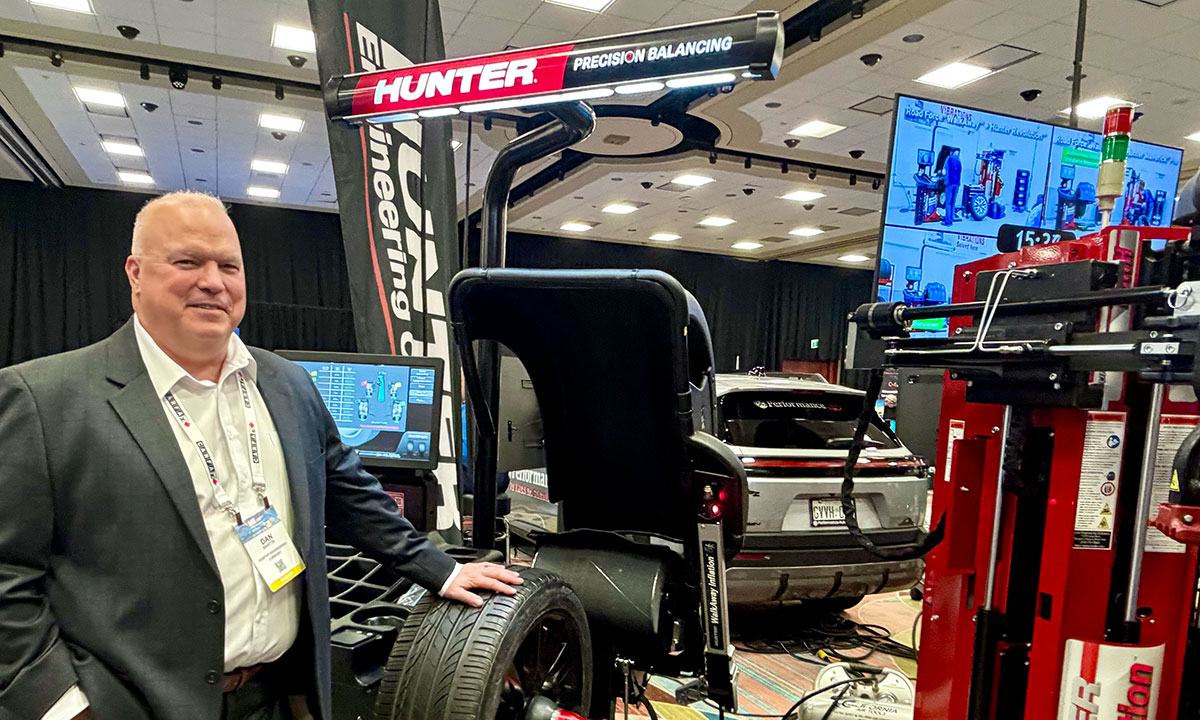
Hunter Engineering Canada
Dan Martin, Divisional Sales Manager
We’re focusing on tire sales and the role they play in keeping customers in dealership service departments. Dealers work hard to acquire and retain service customers, but tires are a major point where those customers can be lost to independent retailers. If somebody starts buying tires somewhere else, there’s a good chance more of their service business will follow. We’re helping dealers become the first to identify when replacement tires are needed and the first to offer a convenient solution.
One part of that strategy is inspection equipment that checks alignment and tire-tread wear when a vehicle enters the service lane. If dealers collect that information consistently, their advisors can spot an upcoming tire replacement before the customer goes shopping elsewhere. Through an integration with Tire Wizard, the inspection information can help generate good-better-best tire quotes based on availability, so the advisor has options ready when the customer arrives at the desk.
We’re also showcasing our Road Force WalkAway Wheel Balancer. Paired with our Revolution Tire Changer, the WalkAway System can reduce four-tire changeover times by up to 44 per cent. While the system completes parts of the process, technicians can attend to other tasks. With recruitment remaining a challenge, the opportunity to do more work with the people already in the shop is important.
Equipment alone doesn’t solve the problem. Service advisors need to be comfortable explaining tread wear, alignment and tire recommendations, and technicians need to use the full capabilities of tools they already own. A number of dealerships have Road Force balancers but don’t consistently carry out road-force measurements. If a tire is balanced but still causes vibration, the customer leaves dissatisfied. Training and good processes matter as much as the initial investment.
Dealers we’re speaking with are still investing in service, although trade uncertainty is making some more cautious about major equipment purchases.
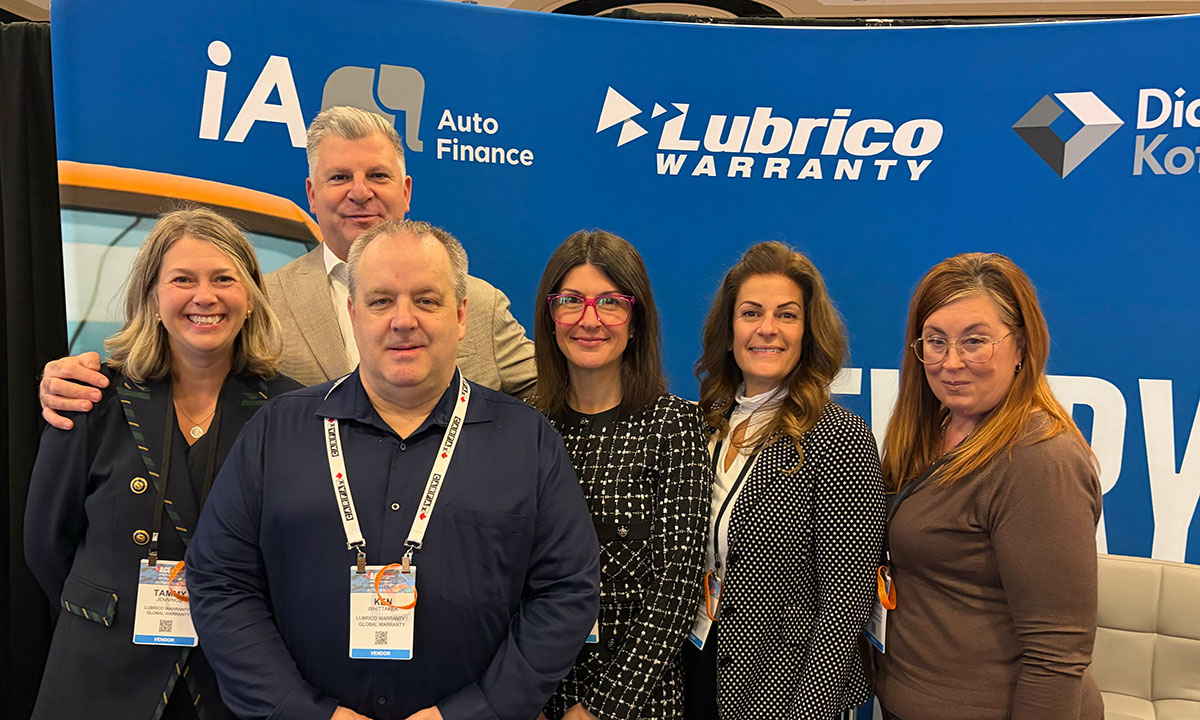
iA Dealer Services
Vincenzo Ciampi, Senior Vice-President, Head of iA Dealer Services and iA Auto Finance
ACE is an important opportunity to meet with dealer customers, prospective partners and others developing solutions for the industry. We’re a sponsor and have a strong relationship with the Motor Vehicle Retailers of Ontario, but being here is about more than visibility. Dealers are grappling with affordability, compliance, pressure on margins, new competitors and the uncertainty surrounding trade. We want to understand those issues and show where our products and people can help.
We’re continuing to grow our dealership network and range of protection products while investing in the technology that supports them. Over the years, we’ve brought a number of businesses into the iA family, including brands such as Global Warranty, Lubrico and Diamond-Kote. We’ve retained their identities because they mean something to the customers they serve. At the same time, we can bring these businesses together, share expertise and introduce dealers to products from across the group.
The market has been challenging. Some demand was pulled forward in 2025 as buyers reacted to tariff concerns, making comparisons with the first half of this year difficult. Affordability remains a major issue, and the price of a new vehicle affects which segments consumers can consider. Those conditions create pressure on dealership sales and margins, but they also increase the importance of protection products that meet real customer needs.
Regulation is another major focus. Requirements affecting F&I products are changing in provinces including Quebec, and dealers need to understand how the rules affect their sales processes. We have a significant compliance team, but helping dealers adapt requires more than reviewing legislation. It’s about explaining what’s changing, training staff and providing practical support in their stores. With more than 150 people in the field across Canada, we can work directly with dealership teams as they adjust.
I see considerable opportunity despite the difficult environment. Dealers need to respond to changing consumer expectations and new competitive pressures, while suppliers like us need to develop better technology, keep products relevant and support their compliance obligations. Events like ACE help us hear those concerns directly and keep improving what we offer.
LGM Financial Services
Jake Stacey, Executive Vice-President, Sales and OEM Performance
The conversations we’re having at ACE have become much more about the dealership business itself and less about the latest product or piece of technology. Dealers are asking what they want their businesses to be, what kind of experience they want customers to have and how they can build relationships that last. After 30 years in this industry, it’s encouraging to hear that shift. There’s been so much noise around technology and disruption that some of the basics of automotive retail can get lost.
One of those basics is the lifetime value of a customer. Early in my career, I worked with a salesperson who kept shelves of binders recording his repeat customers and their families. He understood that looking after someone didn’t end with delivering a vehicle. He would introduce buyers to the service department and help arrange their first appointment. Those customers came back for service and, eventually, for their next vehicle.
We’re hearing dealers revisit those ideas because they know customers are being drawn away by businesses offering oil changes, tires and other routine services. Once the relationship becomes purely transactional, it’s harder to keep that customer over time. Dealers are looking again at how they can build loyalty through service, personal attention and a consistent experience across the store.
For LGM, that means listening first and then considering how our F&I and protection products can support those goals. We work with manufacturer programs and with dealers in the open market through SecureDrive. A prepaid maintenance plan, for example, isn’t just a product sold in the business office; it can be part of a longer-term strategy to bring a customer back for service. The same applies to products that protect a customer’s investment in the vehicle.
Technology still has an important role, and I believe it can make dealerships better. But it has to support the human connection rather than overwhelm it. Amid all the discussion of AI, tariffs and new competitors, dealers are returning to something they can influence directly: how customers are treated, whether they come back and what people in the community say about their dealership.
PBS Systems
Matthew Billings, Regional Sales Director
Our main focus at ACE is V10 APEX, an evolution of our existing V10 dealership management platform. We’re gradually rolling it out to customers, and it’s designed to give us a stronger foundation for new functionality and integrations. The technology is advancing quickly, but the most important part for dealers is often less flashy: having reliable, accessible information that their teams and approved technology partners can actually use.
With so many AI vendors entering the industry, data access has become a bigger topic. A dealership might want a new tool for sales, service or customer communications, but it needs to exchange information with the core operating system. Our goal is to make it easier for those applications to work with the DMS while keeping appropriate controls in place. Not every AI company appearing today will necessarily be around in six months, so we want to provide a stable platform rather than bet everything on a particular vendor.
A major advantage of the way PBS is built is that the information resides in a single data set. Instead of drawing separate records from sales, CRM, service and other databases and trying to reconcile them, an integrated platform gives approved applications a more consistent source of information. That can make AI and other integrations easier to deploy and help reduce some of the confusion caused by fragmented systems.
We’re also emphasizing access to real people when customers need help. A chatbot or support ticket may work for some questions, but if a dealership has a problem with a financial statement or a critical workflow, somebody needs an answer quickly. We’ve been investing in our support centre and implementation teams in Canada and the United States so customers can speak with people who understand the software.
As for the market, dealers remain remarkably resilient. They’re looking carefully at value, especially with tariff uncertainty and other pressures, but many see periods of slower activity as a chance to strengthen their operations. We want to give them tools and support that will help them be better prepared when business picks up.
Reynolds and Reynolds
Keith Legg, Vice-President of Sales, Canada
A big part of our discussion at ACE is how dealers can make use of artificial intelligence without taking on risks they don’t fully understand. There’s real potential to improve efficiency, revenue and profitability, but dealerships also need to think carefully about how these systems are built, where they get their information and what they’re being permitted to do.
I describe successful AI adoption as a three-legged stool. First, you need capable technology. Second, you need good data and secure access to it. Third, you need actual dealership expertise. An AI tool might look impressive in a demonstration, but it also needs to understand a profitable sales process, how a repair order moves through the shop or what makes sense in the parts department. Technology on its own isn’t enough.
The stakes become higher as dealers move beyond AI that simply answers questions and begin using systems that can take actions or make decisions. An early adopter might buy a piece of equipment that doesn’t deliver the expected return, but an AI agent working with poor data or incorrect instructions can potentially cause more serious problems. Dealers need to understand the safeguards before opening up important business processes.
There’s also the question of complexity. If a dealership connects separate AI vendors to its sales, service, accounting and human resources systems, each one may need access to sensitive information. That can create more integration problems and more potential cybersecurity exposure. We believe the central data and operational knowledge within a DMS provide an important foundation for introducing these tools responsibly.
After 30 years in the industry, I can’t remember a period with so many changes happening at once: economic pressures, international trade issues, EVs and now a flood of new technology. Dealers are understandably looking for guidance, but there’s still optimism about what these advances might make possible. Our approach is to develop useful solutions, learn from what customers are asking for and make sure the technology works reliably in a real dealership, not just in a sales presentation.
Santander Consumer Bank
Marian Kennedy, Director of Originations, Canada East
This is our first year at ACE, so much of our focus is on introducing Santander to more Ontario dealers and explaining the financing options we offer. We’re a familiar name in other parts of the world, but in Canada some people are still getting to know us. Our business previously operated as Carfinco, and becoming Santander Consumer Bank in 2025 gave us another opportunity to build awareness of the brand.
We offer full-spectrum automotive and powersports financing, covering prime and non-prime customers, and we work with both franchised and independent dealerships. When dealers come to the booth, we want them to understand that we’re an option for different types of credit applications, not just one part of the market. It’s also a chance to meet people who have heard the name but haven’t yet worked with us.
The show has been useful because we’re meeting general managers, general sales managers and other decision-makers as well as the finance teams we deal with day to day. Some existing dealer customers have stopped by, too. We have regional managers at the event, and those relationships matter. I oversee Eastern Canada, from Manitoba through the Atlantic provinces, and our team spends time visiting dealerships in person. We think that direct contact and being available when someone needs assistance can make a difference.
Dealers have many financing choices. We aim to compete on rates, approvals and service, but equally important is making the application and funding process as straightforward as possible. Our credit, income verification and funding teams are based at our head office in Edmonton, and we want the various steps to work smoothly for dealership staff.
Affordability is a major concern in the conversations we’re hearing. Customers still need vehicles, but higher living costs and uncertainty are making it harder to find payments they’re comfortable taking on. Not everyone who has trouble qualifying fits a simple definition of a poor-credit customer. People can run into financial difficulties for many reasons. Having financing options and taking the time to understand a customer’s circumstances are especially important in a market like this.
Sym-Tech Dealer Services
Derek Sloan, President and CEO
ACE is one of the industry events we invest heavily in, both financially and in the time our people spend here. It’s an opportunity to see customers, hear from dealers and spend time with the wider industry. This year, our booth and messaging draw on Formula One racing and the idea of finding the right turning point in a business.
Our theme is “Optimize the Apex.” In racing, the apex is the point a driver aims for when taking a corner. We use that idea to describe what can happen when a dealership decides it needs to improve its F&I performance. The business reaches a turning point, and our role is to help dealers navigate it and build momentum. It’s a different way to communicate something that has been central to Sym-Tech for years: driving F&I performance.
We’re talking with dealers about how to improve results while the retail market is changing around them. There are real concerns about vehicle affordability, regulatory requirements, competitive pressure and new manufacturers entering Canada. Dealers don’t have control over tariffs or which vehicle technologies become popular, but they can control how they serve customers, present products, train their people and manage their own operations.
I don’t think the fundamentals of the automotive business have changed as dramatically as some people suggest. We’ve always had new models, new competitors and changes in technology. Consumers will continue to look for the transportation that best fits their needs, whether that’s an electric vehicle, hybrid or gasoline-powered model. Dealers have to pay attention to those trends without letting uncertainty distract them from running their businesses well.
F&I will remain an important source of dealership profitability, including as new brands establish themselves in Canada. Those customers will still need relevant protection products, and providers will have to consider how new vehicle technologies affect the solutions they offer. We’re looking at those developments, including how AI and other technology can support the process. My message to dealers is to focus on what they can influence, stay ahead of changing expectations and don’t panic. This industry has dealt with disruption before.
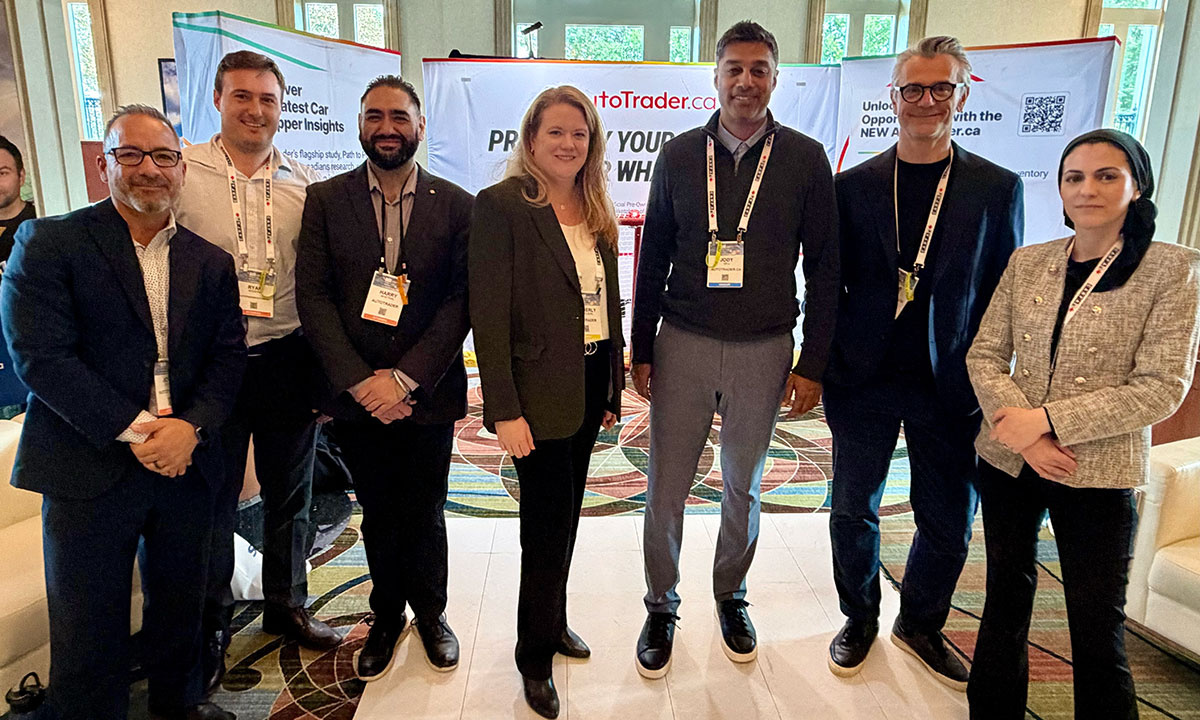
TRADER
Jody Gill, Chief Sales Officer
Our focus at ACE is on the changes we’ve made to AutoTrader.ca and the way we’re working with dealers. We launched a new AI-supported search experience in May, designed to make the vehicles consumers see more relevant to what they’re actually looking for. When somebody searches, the system takes into account their interests and geography; if they return, it can surface inventory related to an earlier search. Since the changes went live, we’ve seen a 15 per cent increase in leads, which we see as an encouraging early result.
There’s an important message for dealers in the new search approach: merchandising matters. If two similar vehicles are available but one listing has complete details and strong photographs while the other is missing information, the better-presented vehicle is more likely to be shown. We’ve added tools in our dealer dashboard to identify listings that need attention and suggest improvements. It’s not enough to put a vehicle online and assume shoppers will find it; dealers need to give the system good information to work with.
We’re also changing how our own teams serve dealers. Previously, the marketplace and software sides of the business had separate sales organizations, so a customer might hear from different people about advertising, websites, vAuto, Activix or other products. This summer, we brought those groups together to give dealers one main point of contact who can help coordinate what they need. Dealers had been asking us to simplify that relationship, and the initial feedback has been positive.
On the market side, we’re seeing consumers become more conscious of affordability. Since roughly the second quarter, we’ve noticed more interest in lower-priced used vehicles as some buyers move away from more expensive new models. That creates opportunity for dealers with the right used inventory, but it can also put pressure on supply. Stores carrying higher-priced vehicles may face a different set of challenges.
Dealers are also asking what AI can realistically do for them. Alongside our marketplace, we offer software solutions including vAuto and Xtime, and we’re the Canadian reseller of Matador’s AI tools. The goal is to have useful conversations about the dealership’s needs, use data to understand changing shopping patterns and help dealers connect with the customers who are most likely to buy.