Canada’s used wholesale market continued to lose ground in the final full week of September, although depreciation moderated from the previous week.
Canadian Black Book (CBB) reported overall wholesale values fell 0.14 per cent for the week ending Sept. 26, an improvement from the 0.18 per cent decline recorded a week earlier. The result was also considerably better than the 0.25 per cent average decline for the same week between 2017 and 2019.
Car values declined just 0.07 per cent, compared with 0.03 per cent the previous week and a historical average decline of 0.33 per cent. The mid-size car segment recorded the largest decrease at 0.36 per cent, followed by subcompact car at 0.34 per cent.
There were some pockets of strength. Compact car values increased 0.14 per cent, sporty cars rose 0.08 per cent and premium sports cars gained 0.04 per cent.
Truck and SUV values fell 0.20 per cent, easing from the previous week’s 0.30 per cent decline but exceeding the historical average decrease of 0.16 per cent.
CBB reported compact van values posted the week’s largest truck/SUV decline at 1.44 per cent, followed by minivans at 1.06 per cent. At the other end of the market, small pickup values climbed 0.26 per cent, the largest increase of any segment, while subcompact crossover/SUV gained 0.13 per cent.
Auction inventory has returned to regular-high levels, according to CBB, while upstream channels continue to receive priority access. Demand for high-quality vehicles remains strong in both Canada and the U.S.
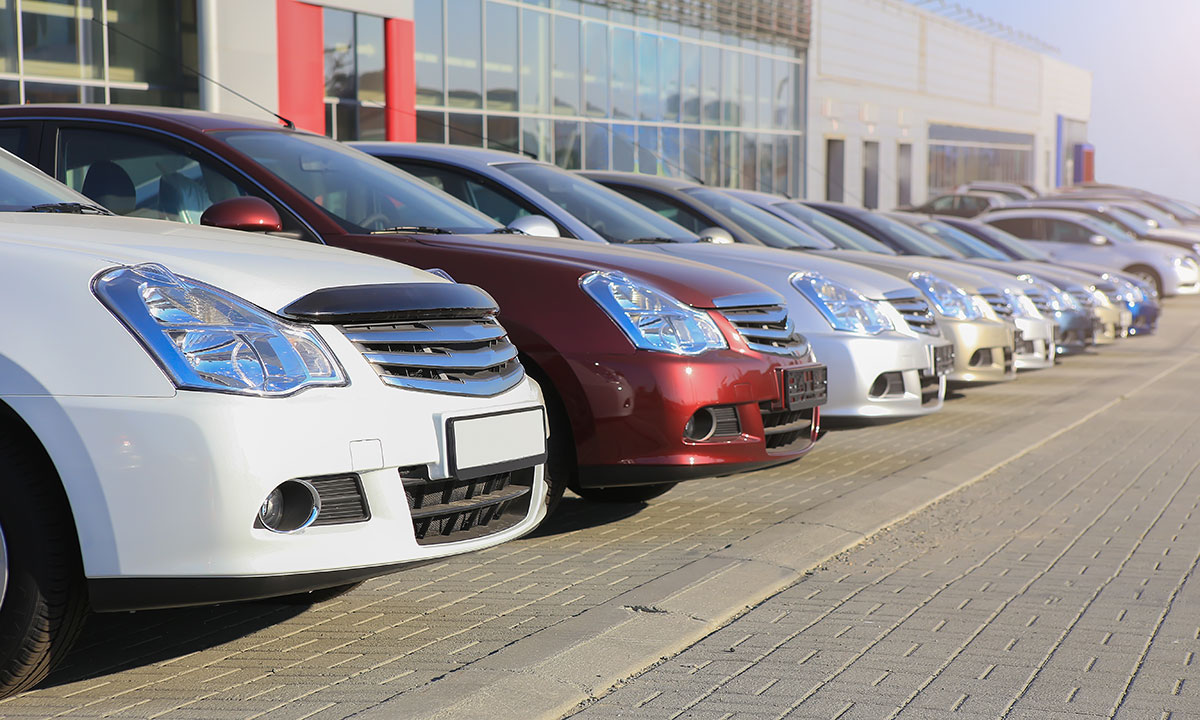
Meanwhile, the 14-day moving average used-vehicle listing price edged down to $38,250, based on approximately 170,000 vehicles listed on Canadian dealer lots.
In other news, Nissan is preparing to introduce its first Rogue using e-Power hybrid technology in Canada, while tariffs continue to reshape Canadian demand for U.S.-built vehicles. Volkswagen Group’s PowerCo has also delayed completion of its St. Thomas, Ont., battery cell plant by two years, while Toyota is investing in robotics to support its global manufacturing workforce.