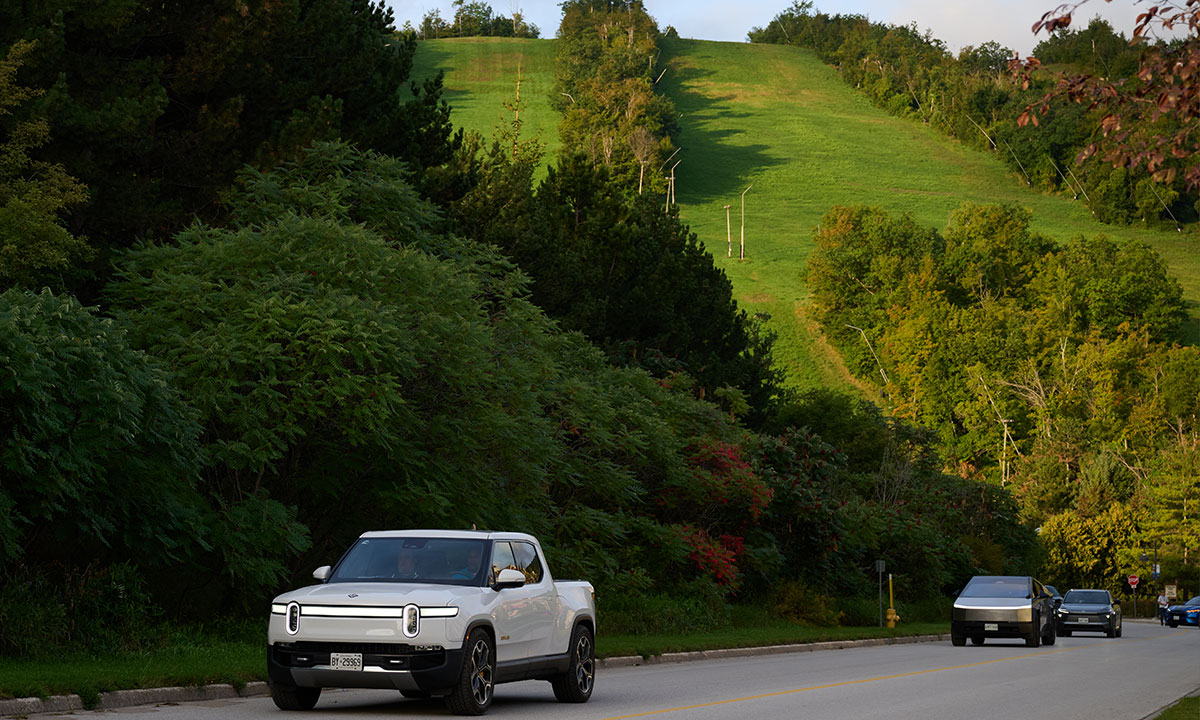
All 22 electric vehicles in a new BCAA and CAA road test completed a 230-kilometre Ontario route without stopping to charge, but the results showed significant differences in energy efficiency, charging performance and cost.
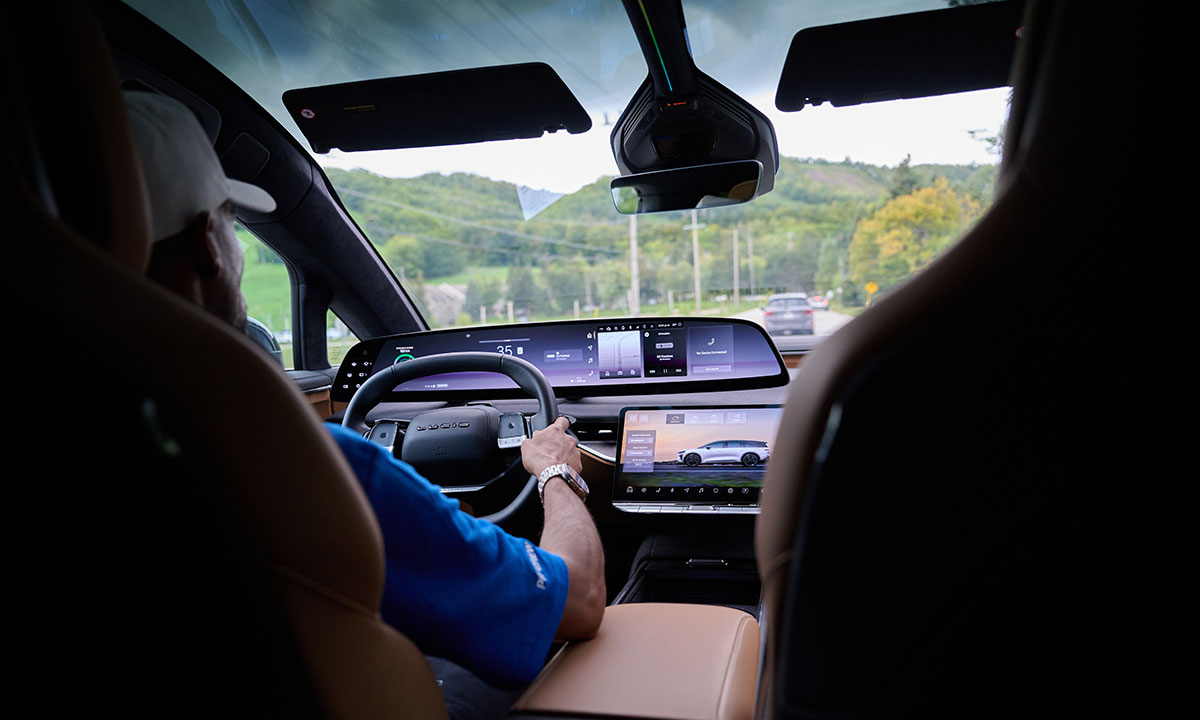
The 2026 BCAA & CAA EV Circuit Road Test took the vehicles from Blue Mountain to Vaughan across city streets, rural roads and highways. Even the vehicle with the shortest advertised range completed the route without charging, while the group used an average of just 40 per cent of available battery charge.
“For many of today’s EVs, the question is becoming less about whether you can complete a trip and more about how efficiently you can make it, where you will charge, how long charging will take, and what it will cost,” said Shawn Pettipas, BCAA’s Director of Corporate Purpose, in a statement.
Those factors varied considerably. Energy consumption ranged from 11.43 kilowatt-hours per 100 kilometres to 28.91 kWh/100 km. BCAA said the EVs used the energy equivalent of approximately two litres of gasoline per 100 kilometres, compared with roughly eight to 10 litres for the average Canadian passenger vehicle.
Lowest energy consumption (kWh/100 km)

Highest energy consumption (kWh/100 km)

Charging performance also showed a wide spread. During a standardized 15-minute session at a public Tesla charger, vehicles added an average of 110 kilometres of displayed range, while individual results ranged from 58 to 178 kilometres. Nearly two-thirds added at least 100 kilometres.
Most kilometres gained in a 15-minute charging session

Least kilometres gained in a 15-minute charging session

Costs varied as well. Based on the test’s charging session, the Tesla Model 3 recorded the lowest cost per 100 kilometres at $7.28, followed by the Model Y at $8.23. Tesla vehicles received preferred pricing at the Tesla charger used for the test. The GMC Hummer EV SUV had the highest cost at $24.39 per 100 kilometres.
Lowest cost per 100 kms

Highest cost per 100 kms

For dealers, the results provide another way to discuss EVs with shoppers beyond advertised range. Charging speed, efficiency and expected charging habits can create materially different ownership experiences even when vehicles can comfortably complete the same trip.