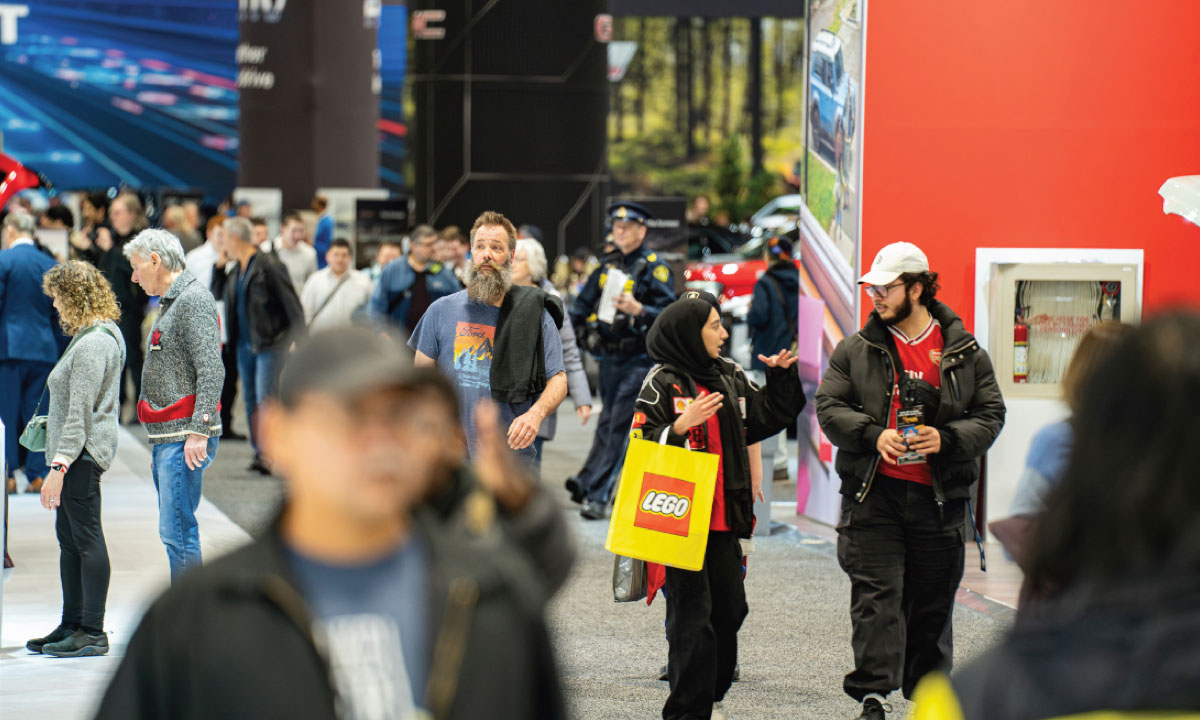
There’s something unmistakable happening on the auto show circuit this year—and it’s hard to ignore when you’re standing in the middle of it.
From Montreal in January to Toronto in February, Vancouver in March and now New York in April, the common thread hasn’t been product, technology or even messaging. It’s been people. Lots of them.
Packed aisles. Lineups snaking around displays. Families waiting their turn to climb into vehicles. And perhaps most telling, queues for ride-and-drive experiences that feel more like theme park attractions than traditional retail touchpoints. Consumers aren’t just browsing; they’re engaging.
Recent research from Clarify Group, based on nearly 9,000 auto show attendees across North America, reinforces what many of us are seeing firsthand: These events are not just well attended, they’re highly predictive of near-term buying activity.
That’s what makes this moment so interesting. Because it’s happening against a backdrop that should, in theory, dampen enthusiasm. Trade uncertainty. Tariffs. Economic pressure. Rising gas costs. A war. And yet, the showroom of the industry—the auto show floor—is buzzing.
The instinct might be to treat that as an anomaly. The data suggests otherwise.
Recent research from Clarify Group, based on nearly 9,000 auto show attendees across North America, reinforces what many of us are seeing firsthand: These events are not just well attended, they’re highly predictive of near-term buying activity.
Consider a few key findings:
First, intent is strong. Four in ten auto show visitors plan to buy or lease a vehicle within the next 12 months, and nearly seven in ten are in-market within two years. That alone reframes the auto show audience, not as casual browsers, but as a concentrated pool of future customers.
Second, engagement translates into action. More than half of those intending to purchase go online for further research after attending. Fifty-five per cent visit a dealership. Nearly four in ten arrange a test drive. And notably, 28 per cent go on to purchase or place an order.
That last figure matters. It closes the loop between experience and transaction.
Third, the role of the show in shaping consideration is significant. Fully half of in-market visitors add at least one new brand to their shopping list after attending. At the same time, absence has consequences: consumers are measurably less likely to consider brands that don’t show up.
Layer that over what we’re seeing on the ground, crowds lining up to experience electrified vehicles, curiosity around hybrids and plug-in hybrids, and a willingness to spend time learning, and a clearer picture emerges.
Consumers are not disengaged. They are actively exploring, comparing and, importantly, preparing to act.
For dealers, that should be a source of cautious optimism.
The traditional narrative has been that digital has replaced physical. That consumers will do all their research online and arrive at the dealership fully formed in their decisions. The reality is more nuanced. Digital informs—but physical experiences still persuade.
Auto shows are amplifying that truth.
They’re creating momentum. They’re compressing the consideration phase. And they’re sending better-informed, more motivated customers into the market, often directly to dealer doors.
Which brings the opportunity, and the responsibility, back to retail.
If the show floor is delivering energy, discovery and hands-on engagement, the dealership needs to pick up that thread, not drop it.
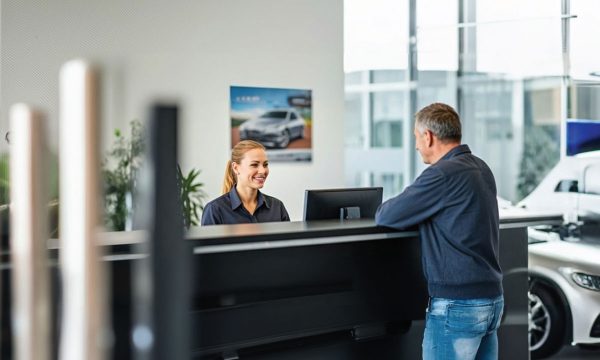
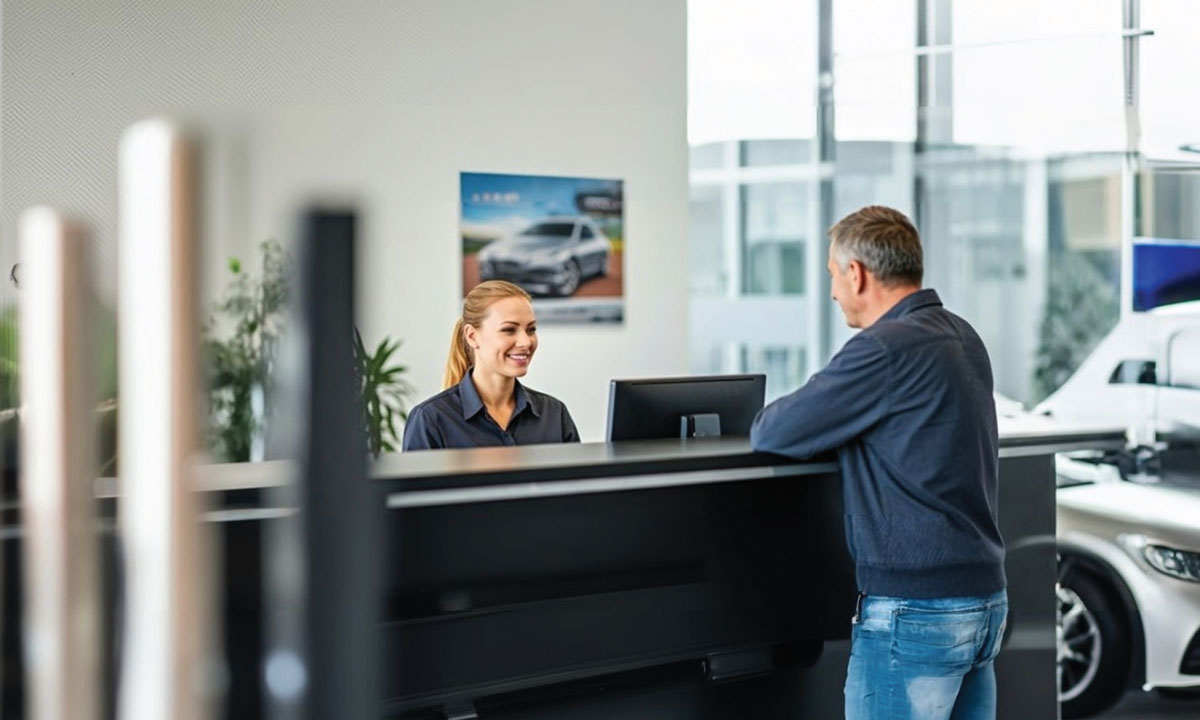
That means thinking critically about the in-store experience. Are your showrooms as inviting, as informative and as interactive as what consumers just experienced? Are staff prepared to meet a customer who has already sat in the vehicle, compared competitors and perhaps even taken a test drive at the show?
Because the expectation has been set.
The takeaway is straightforward. The excitement is real. The intent is measurable. And the traffic is coming.
Now is the time to make sure your own showroom is ready for it—polished, prepared and capable of carrying that momentum forward.
Consumers are showing up. The question is what happens when they walk through your door.