There are two things I want to touch on. Both deserve much deeper discussion. For now, I want to get them off my chest.
The 150,000 problem
A lot of space is being given to the idea of bringing new auto manufacturing to Canada — often tied to new entrants like the Chinese OEMs, or to military procurement that might implicate European brands.
I would love to see that happen. But I don’t see how the numbers work.
Everything I’ve seen and read suggests you need a minimum volume of roughly 150,000 vehicles to make an auto plant viable. The only way that happens at a Canadian plant is if we’re building for export. To date, that has meant building for the U.S. market.
If we can’t guarantee sustained access to the U.S. market for vehicles made in Canada — which we clearly can’t right now — the numbers simply don’t add up.
A few weeks ago, I hosted a meeting that brought together many of the most senior and experienced auto industry analysts in the country for what turned out to be a pretty lively discussion. I’ll cut to the chase: No one in that room believes there’s a way to bend the math.
So either the very worthy goal of bringing new auto manufacturing to Canada is dead without a revised USMCA, or someone believes there’s a sustainable business case for building cars here for export markets other than the U.S. No one seems to be talking about which markets those are. I hope they exist.
We’re Canadian. We can handle hard conversations. And the more clearly we face the most difficult parts of a problem, the better our chances of finding real solutions.
Regardless, I’d like to see more frank and candid discussion about the challenges of building cars in a market that isn’t big enough to absorb them — and realistic ideas about where those cars might go.
We don’t just need manufacturing
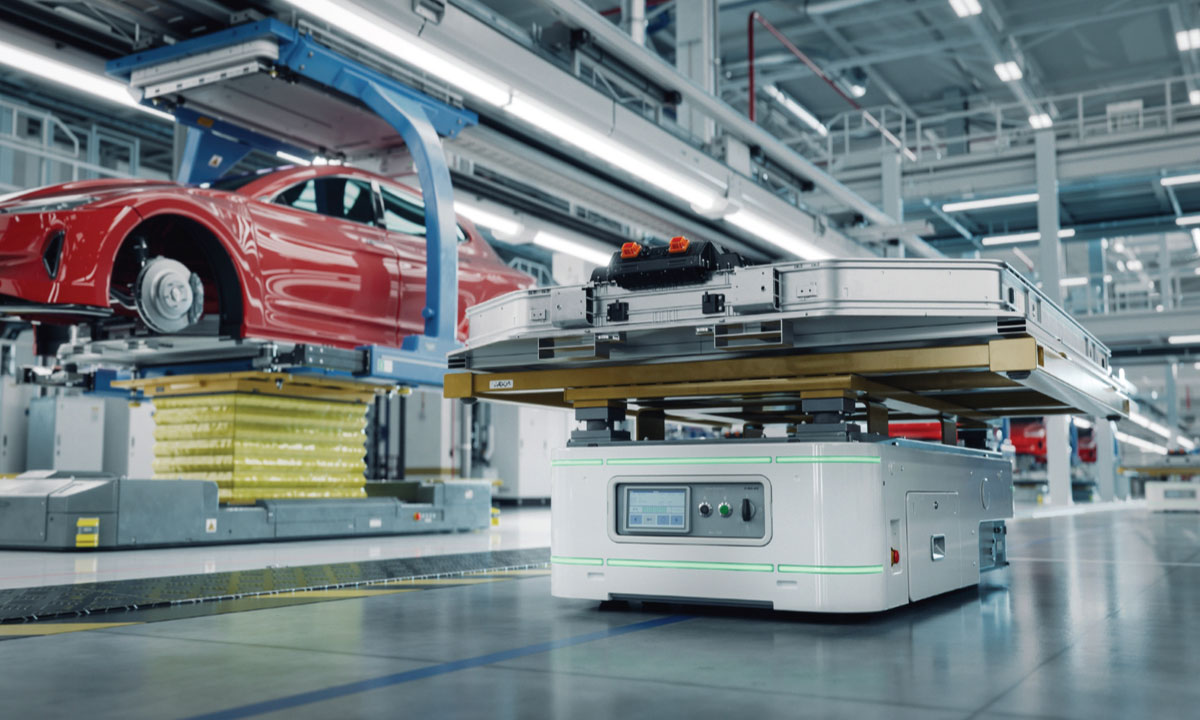
And by the way, we don’t simply need new manufacturing. We need advanced manufacturing — the kind that includes the degree of automation and robotics we saw firsthand at the Nio plant in China.
Automation and robotics are a huge part of what drives competitive advantage in this space. Germany, long a global manufacturing powerhouse, is losing close to 10,000 factory jobs a month, largely to Chinese competition.
To sustainably grow manufacturing in Canada, we need to make our factories more like China’s. When I hear our government talk about an automotive revival plan, there’s lots of discussion about jobs — as there should be. But there also needs to be candid acknowledgement that factories won’t employ the numbers of workers they once did if they’re going to be competitive and sustainable.
As a frame of reference: the Nio plant in Hefei produces 300,000 vehicles a year. The main body shop employs 100 people. That’s it. The robots outnumber the workers.
So when governments issue press releases or hold news conferences and throw out potential job numbers, let’s be honest with each other. The factories of the future will employ far fewer workers than the plants of the past. That needs to be part of the conversation.
In both areas I’ve touched on here, we need more transparency and realism in announcements and expectations. We’re Canadian. We can handle hard conversations. And the more clearly we face the most difficult parts of a problem, the better our chances of finding real solutions.
One last point: We also need to move faster. More on that later.
I hope to see you in Halifax in May for CADEX. You can expect exactly the kinds of conversations your business needs to keep moving forward. See you there!