I’ve spent almost three decades in the automobile industry. And I’ve never been to the country that has the largest automotive industry on earth, at least in terms of manufacturing. Time for that to change.
By the time you read this I will have been to China as part of the 2025 CADA China Study Tour. We’ll be over there from the 15th to the 25th of April, spending time in Beijing, Shanghai and Hefei.
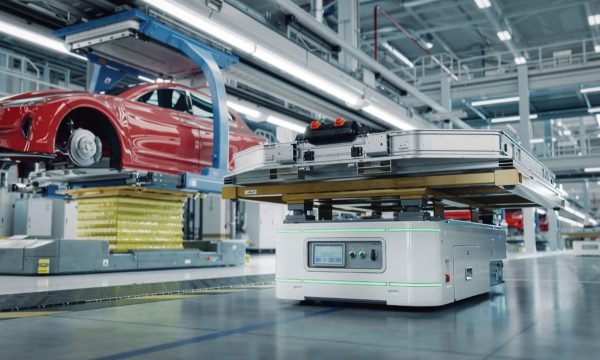
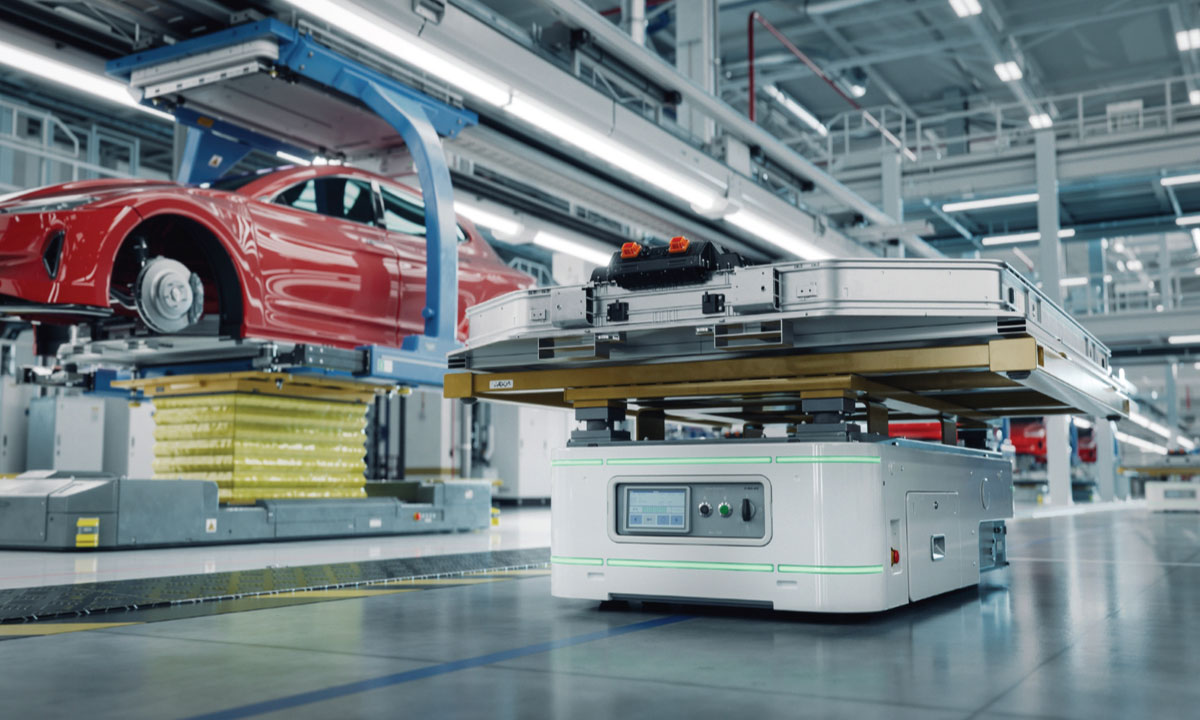
I have to give great credit to Bruce Rosen and CADA for the agenda they’ve put together. Factory visits with Nio and VW. The Shanghai Auto Show. Meetings to explore innovation in retail and business models. A whirlwind tour of the world’s largest automotive producer and exporter. We even get to have a beer with a bunch of Australians. I’m very eager to see and experience it.
I was already eager even before the events of the past few months. The roller coaster ride we’re on now makes it even more important to develop a first-hand sense of China’s automotive reality, even if this first trip will only scratch the surface.
Literally as I write this, President Trump has upped the tariff rate on China to 145 per cent, and announced a 90-day pause on the retaliatory tariffs aimed at the rest of the world. I expect by the time I finish writing this, that will have changed again.
The United States and China are heading into a full blown trade war. Who will blink first? How far over the cliff will we all be before that happens?
Frankly, amid the turmoil of the U.S.-China trade war, I’m very curious to see how our delegation is received in China. The tensions between Canada and the United States have grown far beyond what I ever imagined they could. I expect that will be seen by China as an opportunity.
Canadians need to be open to that as well. China is our second largest trading partner. If the forces at work are going to create a gap between the Canadian and U.S. automotive markets that wasn’t there before, we can expect China to offer some options. If and how we pursue those options remains to be seen.
At the same time, Canada needs to continue to make the case for the integration of the North American automotive industry.
By the time you read this, the Canadian election will have happened. We will either have a new Prime Minister, or the same Prime Minister with a new mandate. Our Prime Minister will likely be preparing to start negotiations in Washington towards a revised USMCA. Expect to see supply management dominate the headlines, particularly in dairy. From what I’ve read, this has been a stone in Trump’s shoe for a long time, and was the last hurdle to get past in the last USMCA negotiations.
For now, in the heat of a federal election, supply management is untouchable for Liberals and Conservatives alike. A sacred (dairy) cow, in effect.
Look for that to come under tremendous pressure once the election is done and the serious negotiations with the U.S. and Mexico start. Personally, I would be very surprised if our supply management structure survives in its current form.
In some ways, Canada is like a very successful small company: successful but with too high a share of revenue coming from a single blue chip client. This company needs to protect and grow that very special relationship, of course. But also needs to diversify and grow the customer base, and while those new customers will start small, they are crucial to reducing risk.
We need to do both. At the same time. With great urgency.
This is an incredible time in Canada’s history. We need to build, literally and figuratively, more widely and quickly than we have done in decades.
We’re up to the challenge. I hope my trip to China will yield some insights and start some relationships that help me contribute a bit to the mix. Stay tuned.