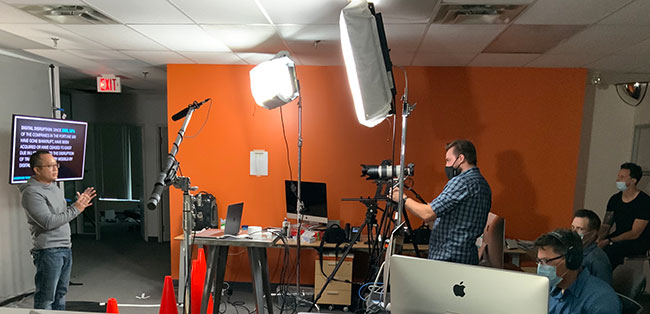
Universus Media Group team films presentation of Andy Dalrymple, Founder and President of QQuote, live, for TADA’s virtual ADIS conference.
The first virtual Auto Dealers Innovation Series & Expo (ADIS), presented by the Trillium Automobile Dealers Association (TADA) on September 24, dug deep into current issues that the industry is now struggling with and offered Q&A sessions for dealers to explore the topics more in-depth.
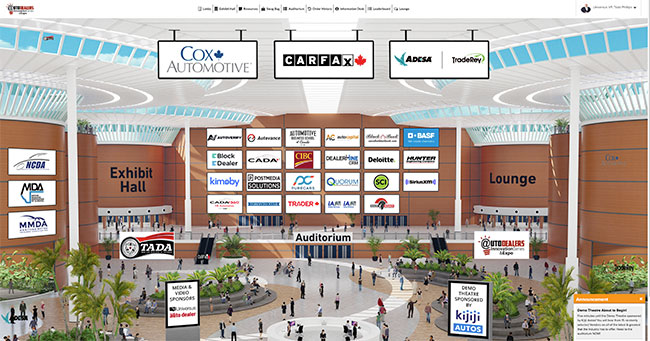
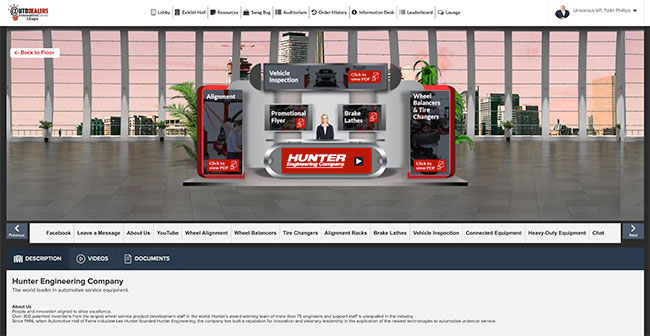
The event featured a mix of live and pre-recorded sessions, with speakers answering questions in real-time. It also featured a unique exhibition hall with more than 25 booths from leading vendors who service the auto dealer industry.
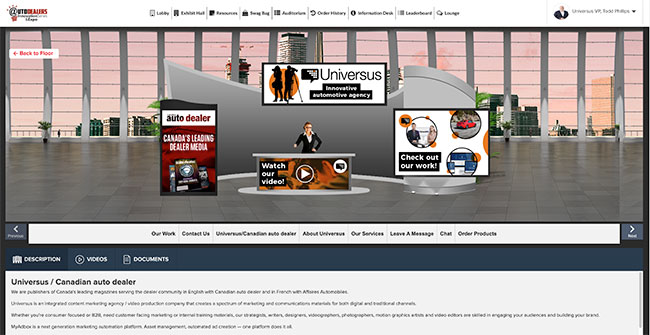
Canadian auto dealer was the official media sponsor, and parent company Universus Media Group was the video sponsor.
“The ADIS digital conference put on by TADA and partners was a well-balanced day touching on all areas of the dealership from sales, marketing, and fixed operations — a fantastic worthwhile day for myself and our team,” said Jim Williamson, Dealer Principal of Williamson Chrysler, whose team checked out the event.
If there is one thing that COVID-19 has proven, it is how far tech giants like Amazon and Facebook have progressed in digital, data, and talent, and what sectors like the automotive industry must do to continue building in times of crisis.
That appeared to be the underlying message from Alfredo Tan, Chief Digital Innovation Officer at WestJet Airlines, who delivered the opening keynote at the conference.
“There has been no bigger accelerant to leading digital transformation than the pandemic that is taking place today,” said Tan. “But the question becomes: who will continue to lead the transformation (in your organization)?”
During his presentation, Tan identified four pillars of digital transformation that dealerships and other businesses should consider for their organization, as well as the industry as a whole:
Strategic and organization: what is your strategy moving forward, and what is the organization to fulfill that strategic planning and the vision and goals that you have?
Infrastructure and architecture: what is the infrastructure and architecture that you are going to start to create to allow all these things to fall into place? “This isn’t purely technological. This is talent infrastructure, recruiting infrastructure,” said Tan. How do you remove bureaucracy and all the things that get in the way of innovation?
Mechanisms and methodology: processes of how you work. Are you an agile organization or a waterfall organization?
A waterfall organization is when you look at a project and you go from beginning to end and then you iterate when you arrive at the end.
An agile organization is when you test and try things out and then iterate over and over again, but you are not waiting for the end state. “Neither of those are wrong, but the question is: what organization will you be moving forward?” said Tan.
Culture and talent: “The last one is, in my opinion, the hardest one to solve, and it’s the reason why I think those tech giants are so scary for all of us — it’s the way they think about their culture and their talent,” said Tan.
He said culture and leadership closes the gap between strategy and execution, and one of the ways to do this is to have an experimentation mindset. This means having employers empower their staff to run experiments, while also embracing a culture that is okay with 10 failures in order to get a single winner.
“In my team, data trumps hierarchy,” said Tan.
Next up was a Demo Theater, sponsored by Kijiji Autos, which featured 15 videos from some of the exhibitors who had the chance to deliver a two-minute elevator pitch for their company’s products and services.
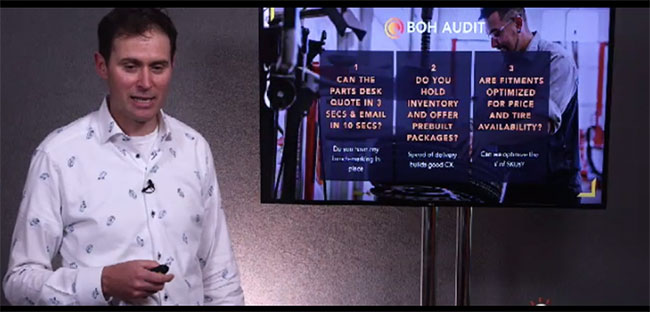
Andy Dalrymple, Founder and President of QQuote, was the second speaker to take the virtual “stage” at the ADIS conference; he explored how dealers can sell more tires. His company provides a software platform for dealers to help them automate and speed the tire and rim selection process for dealers and their customers.
In looking at the situation from various angles, Dalrymple asked the following question: are you educating your customers on margin fluctuation? If not, consider offering them discounts to encourage customers to buy early. And stop waiting for the snow to fall to market tires sales.
“If you’re offering incentives for your front of the house, there should be no incentives on a loose tire sale — that’s my view,” said Dalrymple. “And look at your list of customers in storage. Can we sell them rims early, in August, give them a super deal, get the rims, get rid of that operational hassle?”
He said this can have a big impact on the dealership by creating “a whole bunch of space” for the incremental sales.
Dalrymple also asked dealers if they have some sort of benchmarking in place: can the parts desk quote in three seconds and email in 10 seconds? This would provide them with a time-savings opportunity that provides the team with the ability to work on real issues.
“Your parts manager is your quarterback,” said Dalrymple.
He also asked dealers if their store holds inventory and offers pre-built packages that could help speed up the delivery process and enhance the customer experience. And if fitments are optimized for price and tire availability.
“If you’re going to get serious about tire sales and rim sales, then you should have some inventory,” said Dalrymple. “This is an advantage to you over all the other tires guys who are trying to take your business. You have a really small lineup and you can look at your data and find that, maybe you have only eight skews that you really need to have if you’re offering packages.”
Dalrymple said this is a big advantage for dealers.
Separately, he also advised dealers to ensure all their machines have been serviced and supplies stocked (are there enough sensors and programming tools?), and to consider a dedicated bay for bolt-ons if the dealership offers, or can offer next-day tire package installs.
Finally, Dalrymple suggests recording tire health and thread depth to capitalize on, or drive early season sales for the dealership.
Another presenter, Owen Moon, Founder of Fixed Ops Digital, talked about how dealerships can drive more revenue by going digital with their fixed ops.
“If we can show the customer that we are the right option for when it comes to getting their car serviced because we have the right equipment and the right (OEM-certified) parts and the right fluids, it’s a great way to build trust with the consumer and make us the authority in the market,” said Moon. “But here’s the problem, I go to dealership websites all the time, and I see none of this.”
He said dealerships need to offer customers an online experience and better engagement, which can also provide dealers with an opportunity to discuss other potential service needs. He also advised using video, as “We understand that not everyone is a reader.” And ensuring there is enough content on the dealership website for Google to pick up in its search arena.
“You have to be able to get up the rankings where the customer is looking,” said Moon in reference to Google Search, adding that the content needs to be unique. “If Google can’t read your content or if it’s not unique, that won’t help you.”
His three main messages on the digital front is to become more visible online and on Google Search through more content and information, to provide more search terms as that helps increase visibility — which in turn can boost website traffic, and to have a good online appointment solution.
“At the end of the day, providing that good funnel and service will go a long way,” said Moon.
He also suggests reviewing Google’s SEO best practices, and to ensure that pricing (online or in-store) is clear and transparent. Offering 10 per cent off a service without comparing that number to a competitor’s price, means very little to the customer.
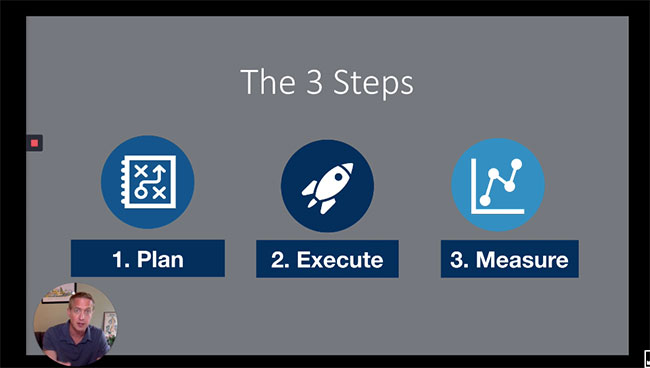
Andrew Street, Owner of Dealer Online Marketing Group, presented on the topic of Measurably Grow Sales, Trade-Ins, and Fixed Ops Through Facebook and Instagram.
“You need to have a plan of attack on why people would buy from our store versus other ones,” said Street.
He said dealers need to take a look at their market and identify how many people are in the market around the store and how many people they have in their database.
“That’s where we come up with the dealership’s ammunition,” said Street. “The dealer has website traffic, the dealer has data in their CRM about their customers — so these are things that we can start to leverage.”
He said the data is meant to make the message on these social media platforms going to customers much more relevant.
Structuring the baselines for the store is also important in understanding how much traffic is coming to the dealership’s website, to vehicle detail pages, knowing what percentage of those converts to leads, and what percentage of those leads are converting to sales.
This is “just so we have a healthy figure of, what does it cost us to get a car sold” on these platforms, said Street.
Other speakers of the virtual ADIS conference include Jodi Zigelstein-Yip, Chief HR Innovator and Founder, Enliven HR, who discussed the changing landscape of the employment relationship. And Steve Ambeau, Chief Marketing Officer at Rapid RTC, explored the topic of modernizing the sales process.
Ryan Robinson, Automotive Research Leader at Deloitte, provided an in-depth look at an exclusive study on The New Automotive Consumer Post COVID. Our coverage on that report can be found here.

Alfredo Tan
Andy Dalrymple
Andrew Street
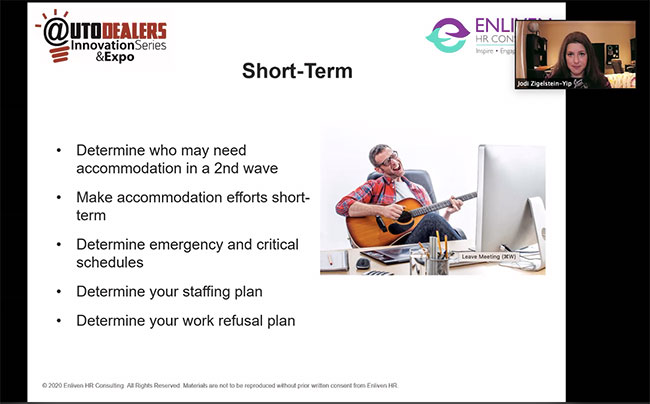
Jodi Zigelstein-Yip
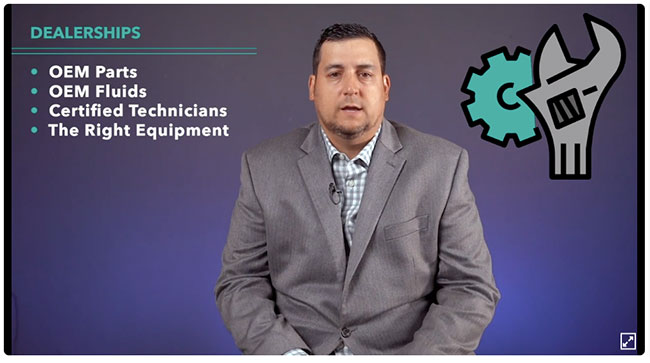
Owen Moon
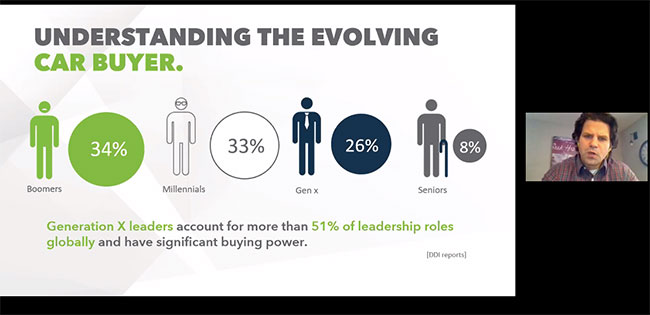
Steve Ambeau