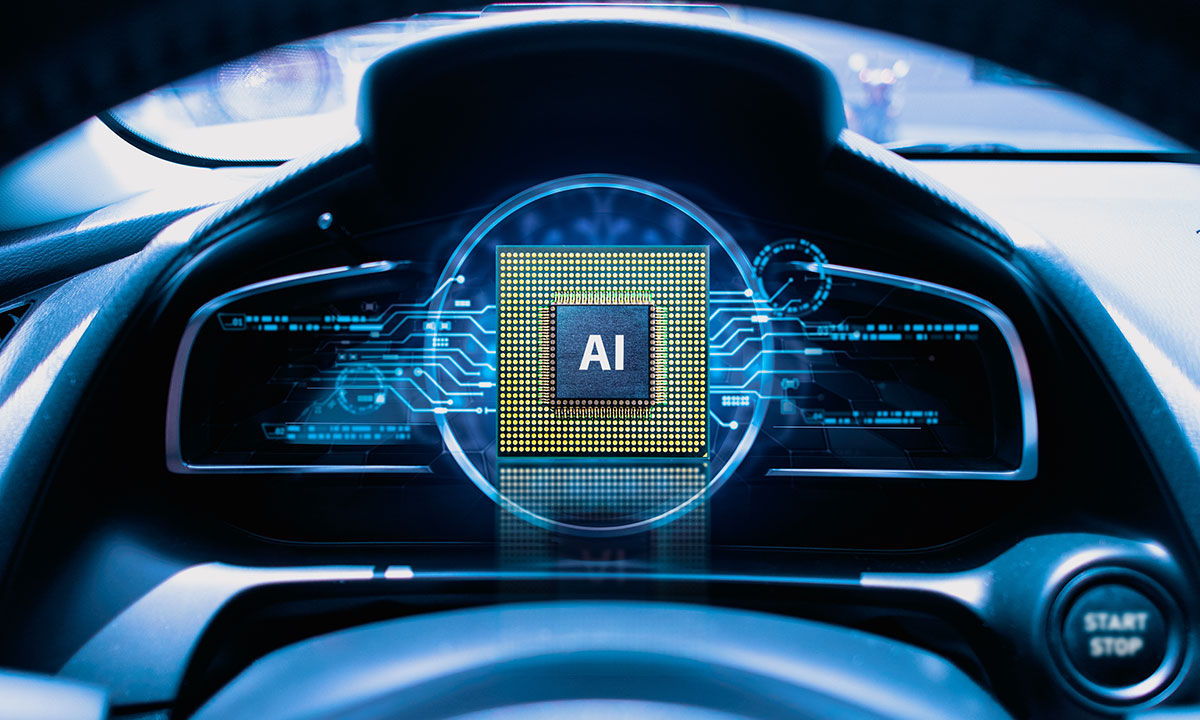
The days of asking a vehicle to change the radio station or provide directions could soon give way to more sophisticated conversations, as artificial intelligence takes on a larger role inside the cabin.
According to Frost & Sullivan’s latest Frost Radar: AI-Powered In-Car Assistants, 2026 report, automakers are increasingly adopting generative AI and intelligent voice interfaces to create more personalized driving experiences.
The research suggests AI assistants are evolving beyond basic commands into systems capable of anticipating driver needs, recommending services and managing vehicle functions.
“AI-powered assistants are evolving into a central interface for the software-defined vehicle, fundamentally changing how drivers interact with their cars and access connected services,” said Gautham Prakash Hegde, Growth Expert at Frost & Sullivan.
The company estimates global connected vehicle sales will increase from 68.3 million in 2026 to 84.6 million by 2032, creating opportunities for more advanced in-car technology.
The report evaluates nine technology providers developing AI-powered automotive assistants: Cerence AI, Google, Amazon, Apple, SoundHound AI, Microsoft, OpenAI, Perplexity and iNAGO.
As the technology advances, competition is shifting toward more proactive assistance, personalized services and integration with vehicle systems. Security and the management of driver data are also becoming increasingly important.
Frost & Sullivan identified potential revenue opportunities through premium subscriptions, features on demand and in-vehicle transactions involving services such as EV charging and parking.
The report also highlighted the growing importance of collaboration between automakers and technology providers to develop reliable, secure AI systems capable of operating across increasingly complex vehicle platforms.