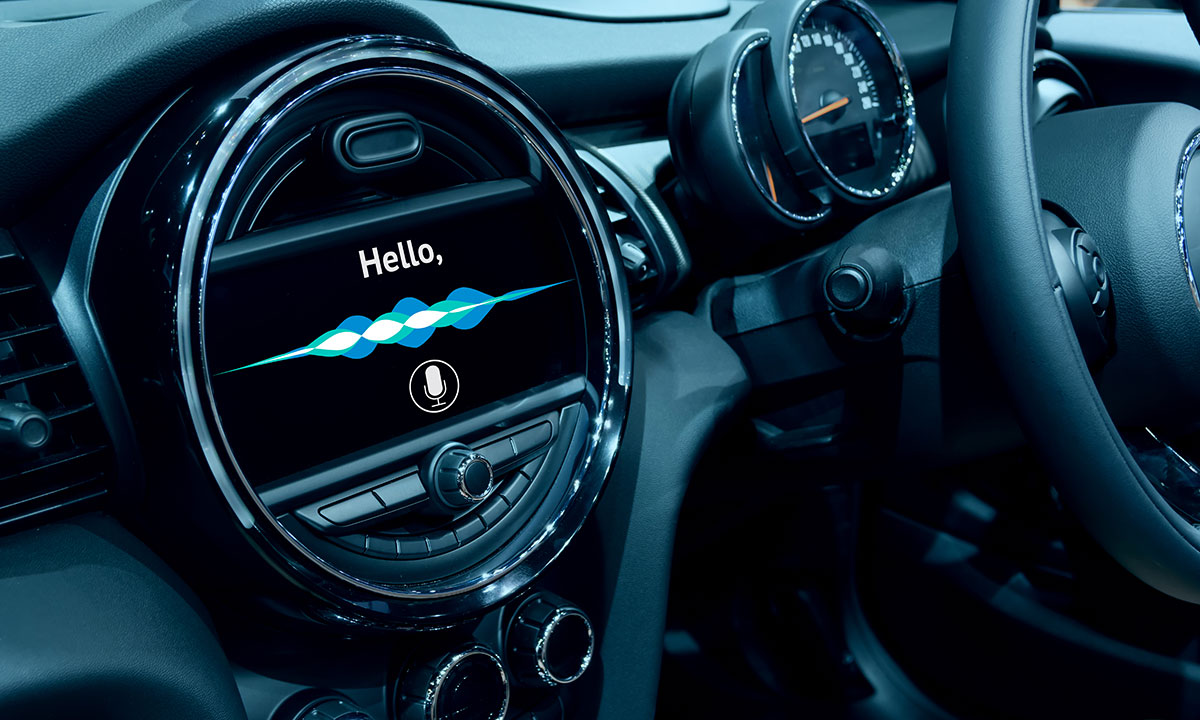
As automakers add more artificial intelligence to their vehicles, the familiar voice assistant is taking on a much bigger role, potentially changing how drivers interact with their cars long after leaving the dealership.
A new report from Frost & Sullivan suggests AI-powered in-car assistants are evolving into more sophisticated systems capable of anticipating driver needs, providing personalized recommendations and managing connected services.
“AI-powered assistants are evolving into a central interface for the software-defined vehicle, fundamentally changing how drivers interact with their cars and access connected services,” said Gautham Prakash Hegde, Growth Expert at Frost & Sullivan, in a statement.
The research forecasts global connected vehicle sales will climb from 68.3 million in 2026 to 84.6 million by 2032, creating opportunities for technology providers and automakers developing advanced in-vehicle systems. Rather than simply responding to voice commands, emerging assistants are being designed to connect navigation, entertainment and vehicle functions through more natural interactions.
The report also identifies potential revenue opportunities through premium subscriptions, features on demand and in-vehicle transactions involving services such as parking and EV charging.
For dealerships, these developments could introduce additional considerations when explaining vehicle technology, connected features and ongoing subscription costs to customers.
The research evaluates nine technology providers, including Google, Amazon, Apple, Microsoft, OpenAI, Cerence AI, SoundHound AI, Perplexity and iNAGO. It also highlights the growing importance of data security, vehicle integration and collaboration between automakers and technology companies as these systems become more advanced.