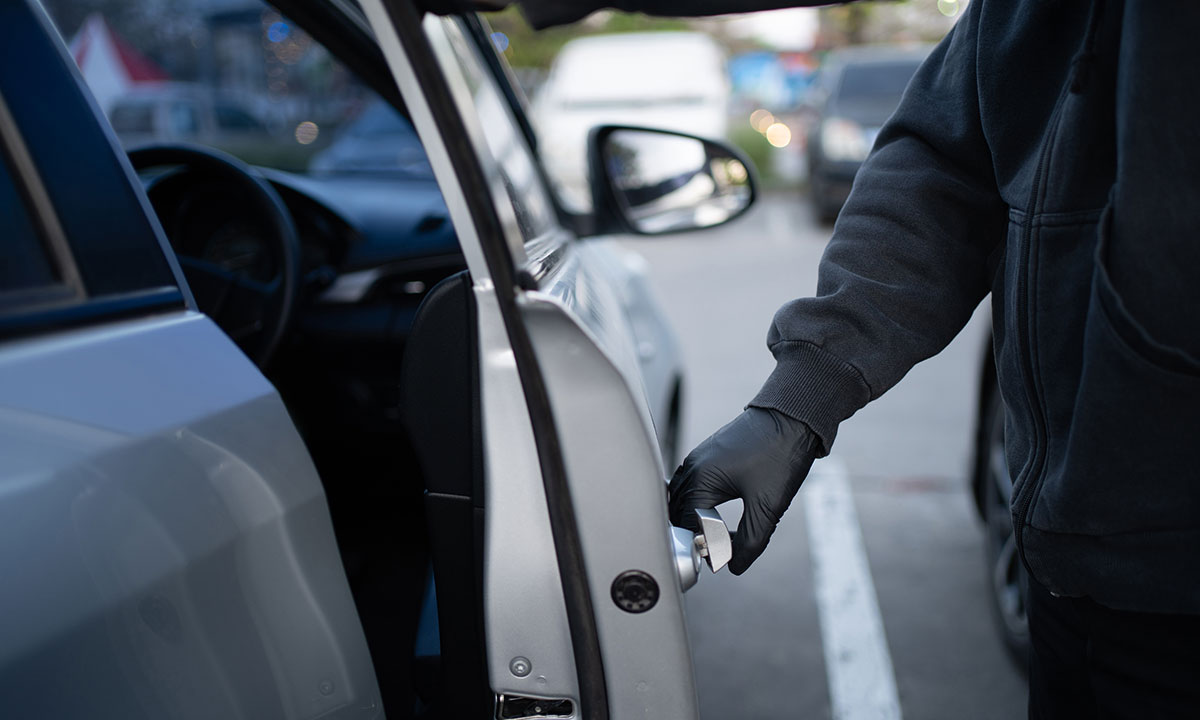
Canada’s auto theft problem is showing further signs of easing, with thefts falling another 10 per cent in the first half of 2026 after two consecutive years of double-digit declines.
The latest figures, from Équité Association and cited in a Sept. 21 update from Public Safety Canada, follow 16 per cent declines in police-reported motor vehicle theft incidents in both 2024 and 2025.
The federal government said enforcement efforts have included increasing the capacity to detect stolen vehicles at ports and railyards. More than 2,800 containers have been scanned using detection technology so far in 2026, including through deployment of an RCMP-operated mobile X-ray scanner in the Greater Toronto Area.
The Canada Border Services Agency intercepted 1,590 stolen vehicles at ports and railyards in 2025 and another 830 since the beginning of 2026, according to the government. Ottawa has also provided $1.6 million for three Canadian projects developing vehicle anti-theft technologies and amended the Customs Act to strengthen the CBSA’s ability to examine goods destined for export.
Another proposed measure would update the Canada Motor Vehicle Safety Standards to modernize vehicle immobilization system requirements and align them with international theft-prevention standards. Project NoCargo, an RCMP-led pilot launched in June 2025 with several federal agencies and Canadian financial institutions, has recovered 392 vehicles valued at an estimated $28 million that the government said had been obtained through fraudulent means.
Public Safety Minister Gary Anandasangaree said the declines demonstrate the results of co-operation among governments, law enforcement and industry. The government cautioned, however, that organized criminal networks continue to evolve and said the national action plan will continue to be reviewed and updated.
The continued decline is an encouraging indicator for Canada’s automotive sector, while proposed changes to vehicle immobilization standards and investments in anti-theft technology could have longer-term implications for vehicles entering Canadian showrooms.