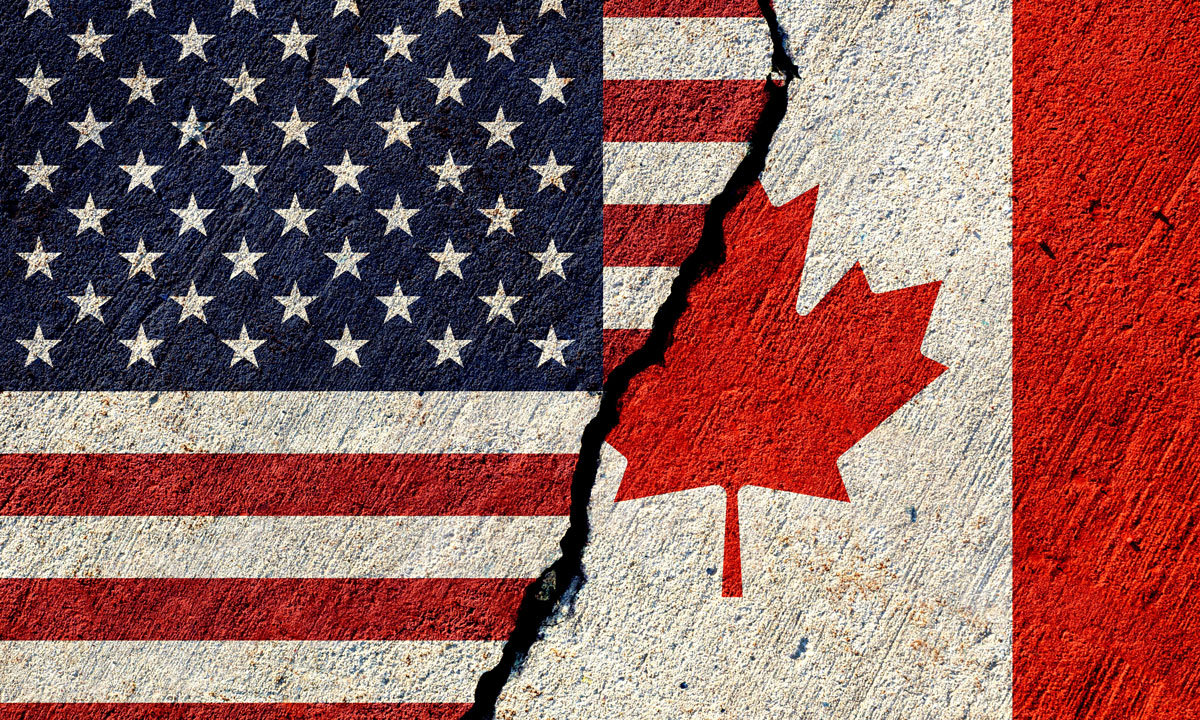
Canada’s auto sector is heading toward another period of trade uncertainty as the Canada-U.S.-Mexico Agreement (CUSMA) faces its mandatory review in 2026.
A recent CBC report outlines how U.S. President Donald Trump has signalled he wants changes to the deal that would favour U.S. manufacturing and reduce trade deficits. While the agreement technically remains in force unless one of the three countries withdraws, the review opens the door to new rules, tougher enforcement or renewed tariff threats — all of which matter to an industry built on tightly integrated North American supply chains.
For Canadian dealers, that integration is not theoretical. Vehicles and parts often cross the border multiple times before final assembly. Any shift in rules of origin, tariffs or customs procedures could raise production costs, disrupt supply and eventually show up in vehicle pricing and availability on showroom floors.
Writing in Policy Magazine, former diplomat and trade expert Colin Robertson argues Canada should push to renew CUSMA, but also prepare for the possibility it may not survive in its current form. He says Ottawa needs to be ready for a “post-CUSMA” economy by strengthening domestic capacity and reducing reliance on a single market.
That warning lands at a sensitive moment for dealers. Affordability remains top of mind for buyers, inventories are still uneven across segments, and even modest cost increases can push vehicles out of reach for price-sensitive customers. Trade-related uncertainty also complicates OEM production planning, which can affect allocations, incentives and delivery timelines.