 There are a number of consumers that are concerned about global warming and vehicle emissions, but a small number of them (30 per cent of Americans) are willing to buy a more environmentally-friendly vehicle.
That’s the finding of an Ipsos Global Mobility Navigator Syndicated Study, its second module, which includes input from 20,000 consumers worldwide on their view of alternative engines and what it would take for them to consider purchasing such a vehicle.
“This module helps to provide insight into why environmental concerns are not necessarily translating into BEV (Battery Electric Vehicle) sales,” said Ipsos in its news release. According to the study, there are three main barriers to consumers purchasing a BEV, the first being overall cost.
Cost
“The primary barrier is price, regardless of the type of vehicle in question, it is the most important factor when drivers are purchasing/ leasing a new vehicle. This poses a huge hurdle for BEV manufacturers since the cost of batteries remains high and are then rolled into the asking price,” said Todd Markusic, Vice President of Mobility at Ipsos.
Markusic said the study indicates that consumers are willing to pay up to 10 per cent more for a BEV, versus a similar gasoline/ diesel-variant of the vehicle. Once the price exceeds 20 per cent, he said consumer consideration towards buying a BEV declines significantly.
Range
The second roadblock to BEVs is range, and is based on the misconception that fully electric vehicles cause “range anxiety”. Ipsos said the average American drives 170 miles (approximately 274 kms) during a normal work week. But there are BEVs that offer 200 miles (approximately 322 kms) on a full charge, which means the driver would only need to charge the vehicle once a week to meet their average work-week needs — equivalent to filling up on gas once a week.
“The misconception of ‘range anxiety’ has many believing they couldn’t drive to the store without having to charge their BEV, with 45 per cent incorrectly thinking they would need to charge their vehicle once a day or more,” said Ipsos.
To better manage this issue, dealers can provide consumers with more information about electric vehicles, and specifically the different models they have available at the dealership.
Charging location stations
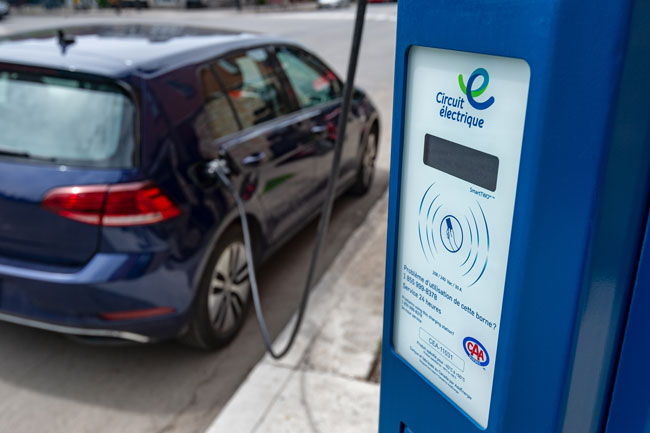
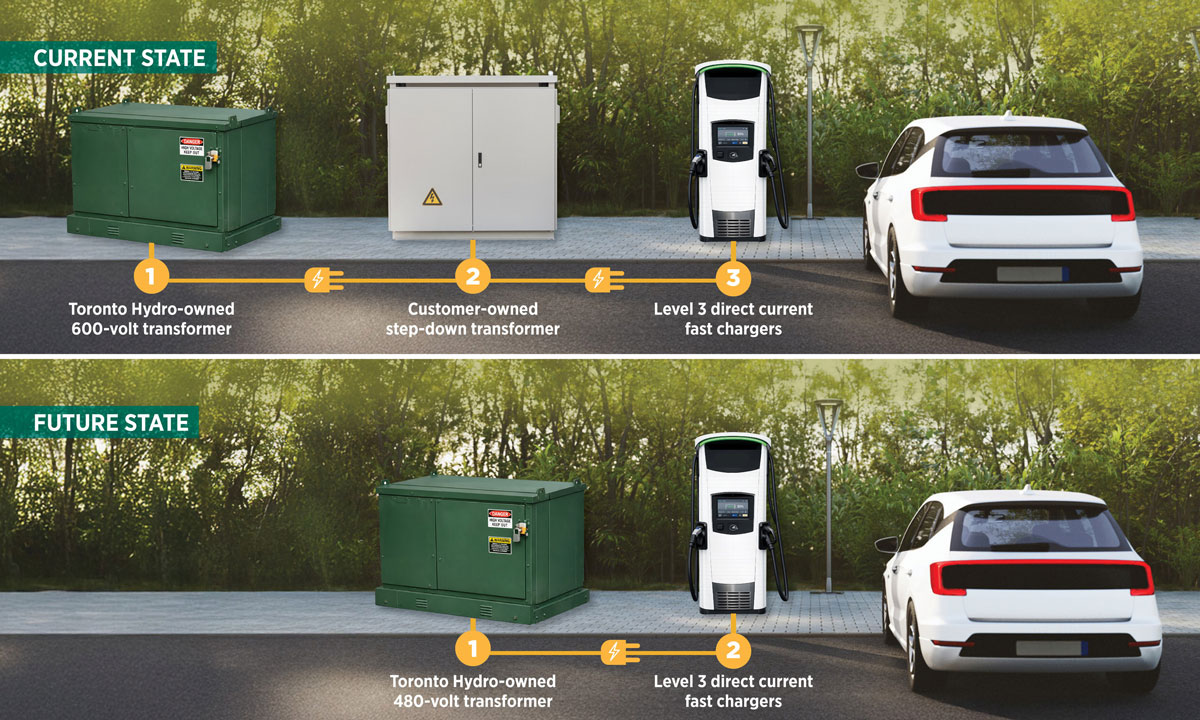
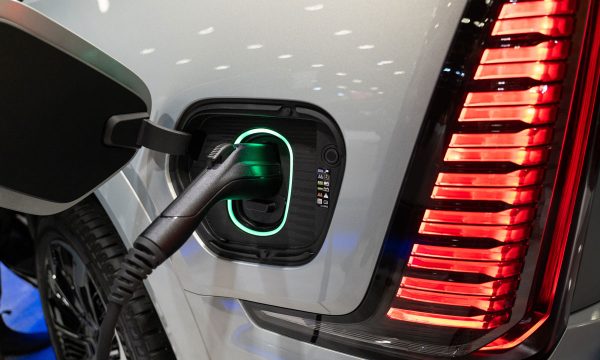
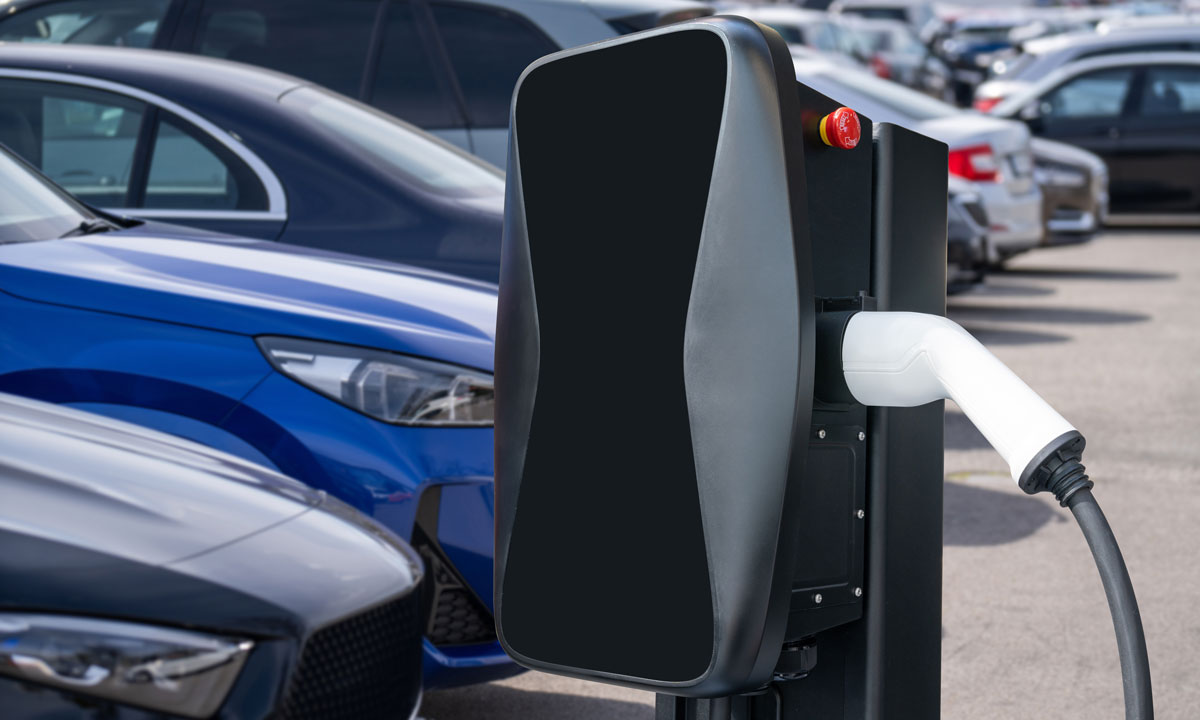
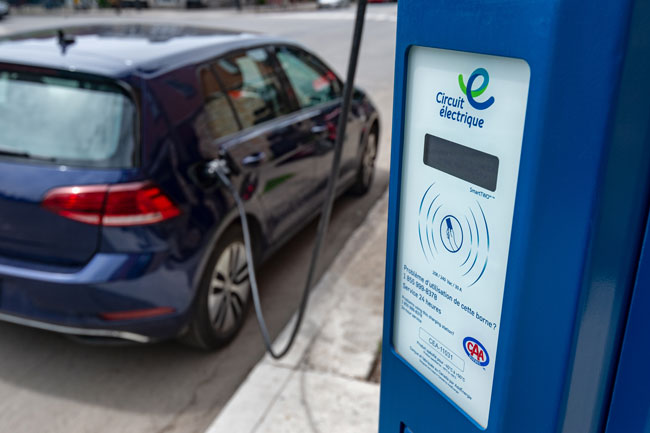
Finally, the third main barrier towards BEV ownership is the location of charging stations. Although many consumers would consider charging their vehicle at home rather than at a charging station, not everyone will choose that option. But for those that can, consumers will likely migrate towards fast-charging options, which can recharge a BEV to 80 per cent in 40 minutes.
In Canada, the federal government has been working on lowering the cost of electric vehicles through federal rebates (which can be teamed with a provincial rebate, depending on the location), and in ensuring there are more charging stations across the province. One example of this is the 2018 investment in NB Power’s eCharge Network to boost EV charging stations in New Brunswick. The work is ongoing.
Other companies are also pitching in. In 2018, Desjardins said it would install 200 EV charging stations within its network (which includes Montreal and Ontario). Then in 2019 Desjardins and Hydro-Québec announced the opening of an EV superstation in Montreal, Que.’s Complexe Desjardins. And last year Porsche entered into an agreement with Electrify Canada to ensure charging-station access for its new EV model.
The progress is there, slow as it may seem. It’s the cost issue that will need to be tackled more quickly for consumers, and perhaps availability of models, for there to be an increase in BEV purchases.