If wealthy buyers are your dealership‘s bread and butter, you might want to take heed of a new report, released last week by Hyundai Canada, which found that one in four Canadians have experienced a change to their definition of “luxury” since the 2008 economic downturn, with a majority of participants citing getting a solid bang for their buck as the most important consideration when purchasing a new car.
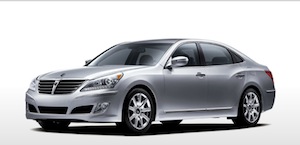 Earlier this year, Hyundai Canada teamed up with research agency Millward Brown to survey 1,001 Canadians about their attitudes and priorities regarding making a large purchase. The report, Consumer Gauge, was released Feb. 28, 2012, and revealed that luxury is no longer a relevant part of many consumers‘ lives.
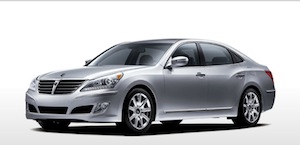
Hyundai says this is good news for its new focus on “modern premium.”
Bad news for luxury brands, but good news for brands like Hyundai, whose new focus is “modern premium.”
“Democratizing high-end features and making them accessible is the essence of the Hyundai brand,” says Steve Kelleher, president and CEO of Hyundai Auto Canada Corp. “We’re determined to redefine luxury by offering customers key features they want without the steep price tag. The Consumer Gauge allows us to gain further insight into consumer preferences so we can better tailor our offering to suit their needs.”
Hyundai says it has recently made more “luxury” features available to consumers at every level, including heated rear seats in the Elantra and a seven-inch touchscreen and back-up camera in the new Veloster.
The Consumer Gauge survey revealed some interesting insights into the Canadian consumer in general, finding, for instance, that 66 per cent of Canadians prefer to look into modern brands that combine luxury and a good price, and a solid 50 per cent of those surveyed said they had no plans to purchase a luxury item in the next year.
The report also found that 38.5 per cent of Canadians reported that pricing was the largest factor in determining whether or not something is considered a luxury, followed by personal gain and enjoyment (18.2 per cent), impact on lifestyle (11.1 per cent) and exclusivity (9.71 per cent).