One of the touchiest subjects in the car business for the last three decades has been Corporate Average Fuel Economy standards. First introduced in the U.S. during the Carter Administration back in 1978, with aim of increasing overall vehicle fuel efficiency, the most recent plans call for the target to be set at 54.5 miles per gallon by 2025.
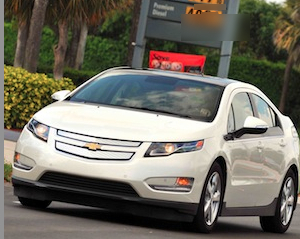 However, despite backing by environmental pressure groups, the UAW and 13 automakers, the National Automobile Dealers’ Association believes the goals are unrealistic and will have a negative impact on the industry, since the cost of advanced technologies required to meet such targets will likely drive up the price per vehicle by as much as $5,000, effectively pricing many new car buyers out of the market.
Don Chambers, NADA’s government relations committee chairman, highlighted the scenario during a hearing in Detroit this week, which gave members of the public a chance to voice their concern before the new CAFE regulations are finalized later this year.
Chambers says he supports the idea of more fuel-efficient vehicles but if sticker shock results and buyers can no longer obtain finance then “it doesn’t make sense. Further hearings on the matter are due to be held this month in Philadelphia (January 19) and San Francisco (January 24).