One of the biggest obstacles many dealers are facing, especially in this current economic climate is seemingly unrealistic expectations from manufacturers when it comes to facility image upgrades or “essential brand elements.”
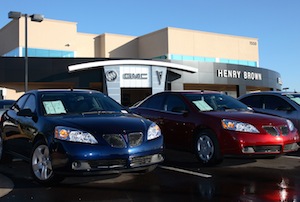 In the last decade, some automakers, have asked their dealers to build increasingly lavish and large facilities, often at the cost of millions, for which the dealer must bare. In part due to concerns among a growing number of dealers in the U.S.; General Motors, beginning this month, has decided to put the brakes on its EBE guidelines introduced in 2010, granting a two-year extension on would-be facility improvements.
Whether this extension will apply to all GM dealers or just those in the “first-wave” of EBE upgrades remains to be seen, yet, regardless, it certainly represents a step in the right direction for many dealers, who view costly [and unnecessary] upgrades as simply a poor business strategy in lean economics times, especially when lending conditions are tight and return on investment strictly limited.
With some economists predicting North America to fall into another recession, fueled by the ongoing financial crisis in Europe and many dealers experiencing low inventory levels with no sign of manufacturers ramping up production any time soon (Toyota and Honda not withstanding), it will be interesting to see if other automakers follow GM’s lead and release some of the pressure on dealers to perform EBE upgrades. A study conducted by the National Automobile Dealers Association has been investigating the costs and problems associated with so-called image programs and will likely deliver some interesting results, especially in reference to costs and benefits gained from them.