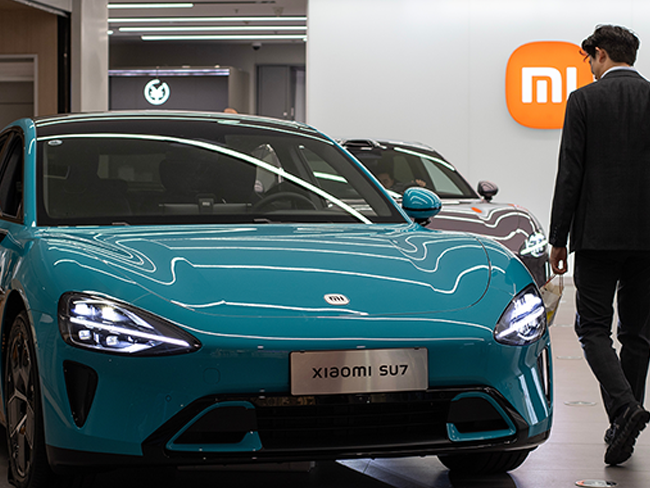
We have been posting on social media for years about the likely arrival of Chinese vehicles in Canada. We have also argued that, to sell vehicles here, Chinese automakers should be required to build some of them here. Canada’s automotive manufacturing and supply chain are especially vulnerable, and a strong employment base is clearly good for our economy.
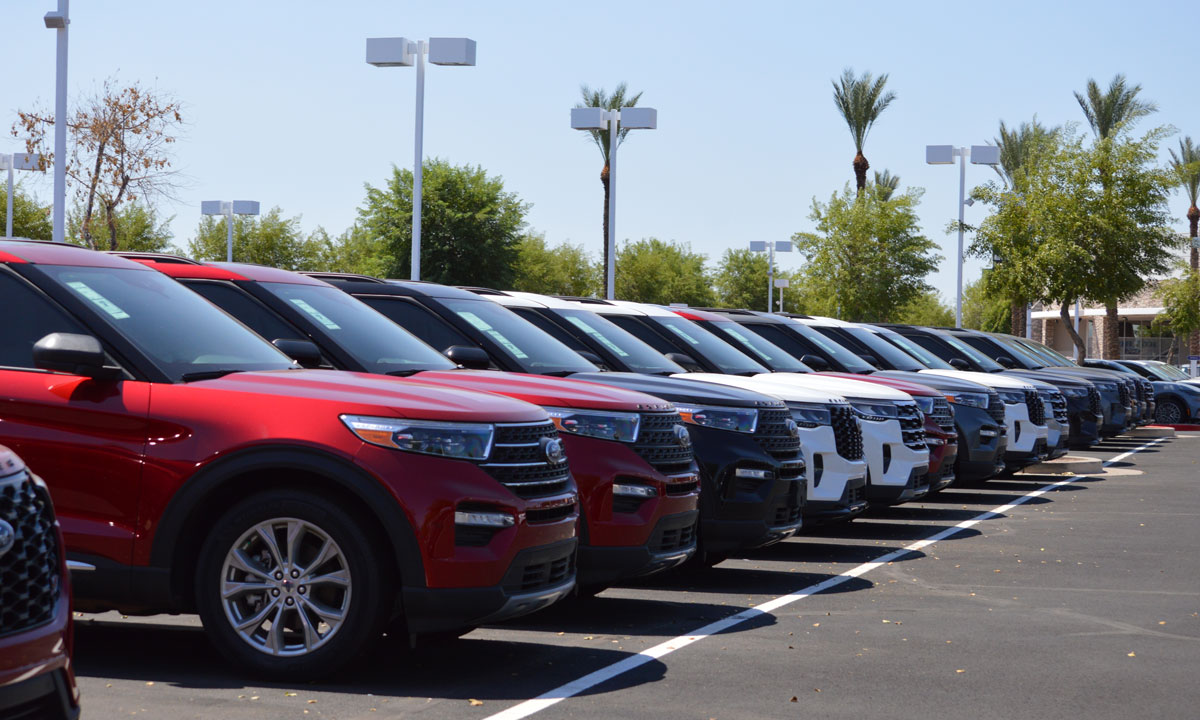
From a retail perspective, the Canadian marketplace is already intensely competitive. As of July 2026, consumers can choose from approximately 25 major automotive manufacturer groups, 47 actively marketed brands and roughly 360 car, SUV, crossover, van and light-truck model lines.
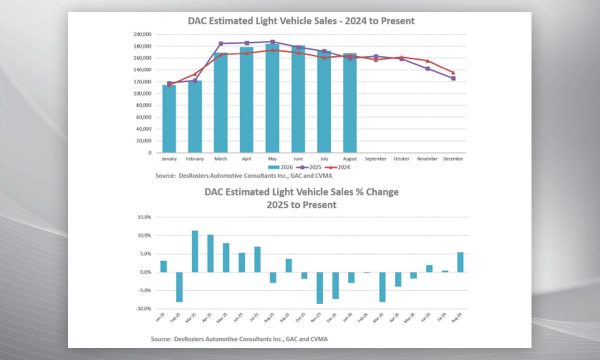
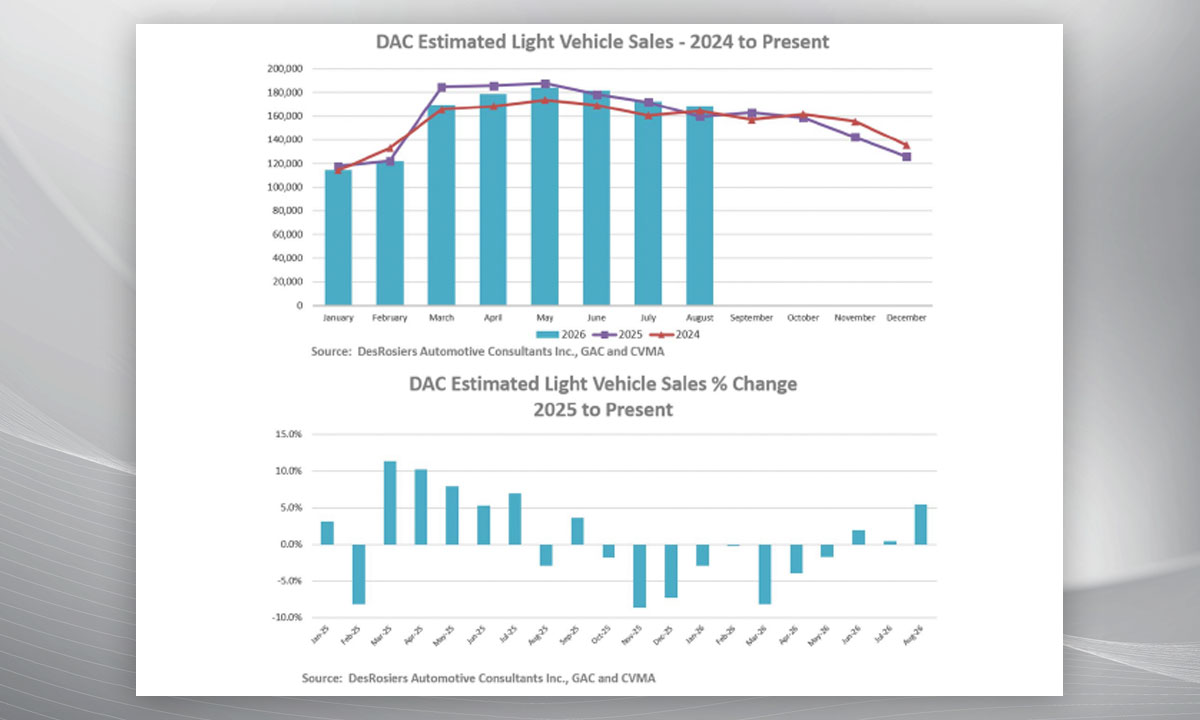
Canada is a relatively small market, with approximately 1.9 million new vehicles sold in 2025, yet it offers products from almost every major North American, European, Japanese, Korean and emerging electric-vehicle manufacturer.
Compare that with the almost incomprehensible scale, choice and production capacity of Chinese OEMs, and it is clear that supplying Canada with vehicles will not be an issue—even though the initial number of EVs will be relatively small.
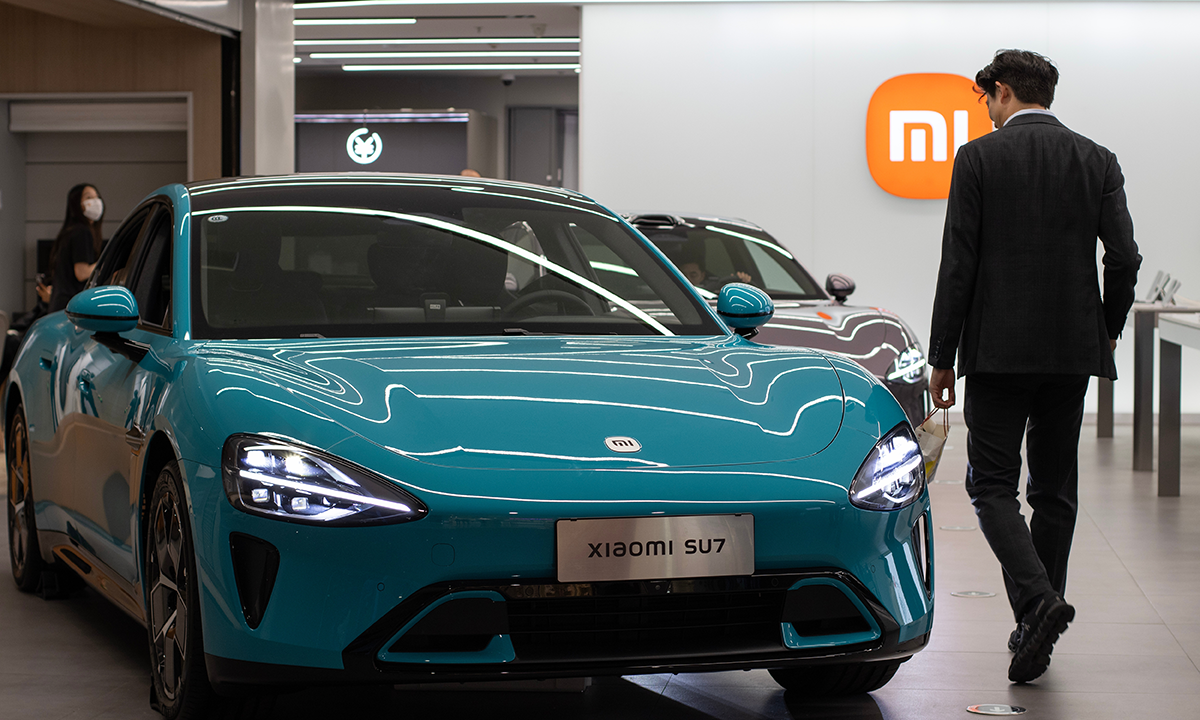
That competitive landscape is about to become even more crowded. My clients tell me BYD, Chery, Geely, Changan and others are working toward a Canadian launch.
From my own experience—both training people who sell these vehicles in other countries and personally owning Chinese-built vehicles abroad—I know many of them offer impressive quality, extensive equipment and strong value.
Dealerships awarded these franchises will have a genuine opportunity. When attractive design, modern technology and substantial standard equipment are combined with comparatively lower prices, the vehicles will sell.
However, competitive pricing and product quality do not automatically create long-term customer loyalty.
In other markets, some Chinese manufacturers and distributors have developed a poor reputation for approving warranty claims, maintaining adequate parts inventories and keeping vehicles on the road. A dealership can deliver an excellent sales experience, but that goodwill will quickly disappear if a customer’s vehicle remains immobilized for weeks while the dealership waits for authorization or unavailable parts.
Competing dealerships should therefore avoid trying to win exclusively through discounts or product comparisons. Their strongest defence will be a demonstrably superior ownership experience that builds on the strengths they already have.
Here are 10 ways to create a competitive advantage:
1. Deliver a flawless sales process
From the first point of contact through delivery and years of service, an outstanding customer experience must be trained, measured and consistently executed.
2. Communicate quickly
Return calls, texts and emails within a defined period, even when the dealership does not yet have a complete answer.
3. Make service appointments easier
Offer online scheduling, extended hours, express maintenance and convenient vehicle drop-off and pickup.
4. Improve loaner-vehicle availability
Customers should not lose their mobility because their vehicle requires diagnosis, parts or warranty repairs.
5. Maintain deeper parts inventories
Stock commonly required mechanical, electronic and collision components based on local repair history.
6. Advocate for warranty customers
Dealership personnel should actively represent the customer with the manufacturer rather than simply passing along delays or denials.
7. Provide transparent repair updates
Explain what has been diagnosed, what has been approved, which parts are required and when the repair is realistically expected to be completed.
8. Conduct meaningful post-delivery follow-up
Contact customers after several days, 30 days, six months and one year—not simply when another sale is needed.
9. Educate customers throughout ownership
Offer technology clinics, maintenance workshops, seasonal inspections and personalized vehicle demonstrations.
10. Build a customer community
Create owner events, referral programs, appreciation activities and local partnerships that give customers an ongoing relationship with the dealership.
Chinese automakers will increase consumer choice and force every dealership to improve. Established dealers can respond by “controlling the controllables”—particularly how consistently, respectfully and professionally they treat their customers.
Change is always exciting. With focused effort and disciplined execution, the proven adaptability of dealership teams in both variable and fixed operations will rise to meet the challenge, as it always has.