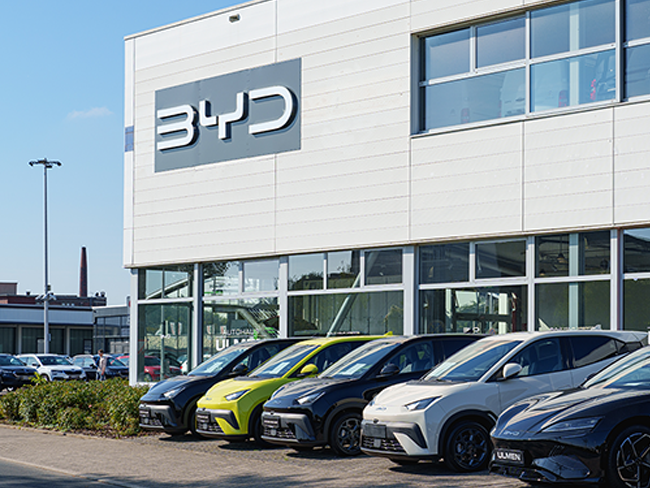
For months, the conversation about Chinese automotive brands entering Canada has centred on tariffs, trade policy and manufacturing capacity.
Clarify Group’s latest Vehicle Buyer Opinion Study—fielded in July with just over 2,000 recent vehicle buyers across the country—suggests dealers should be watching something far more consequential: how little Canadians actually know about these brands, and how decisively they plan to lean on you to fill in the blanks.
Start with why the door opens at all.
Eighty-four per cent of Canadians describe their vehicle in purely pragmatic terms—a means of transportation, nothing more—and fifty-six per cent say they’re open to switching brands on their next purchase.
Sixty-three per cent support the federal government’s policy allowing more Chinese-made EVs into Canada. The reason is almost embarrassingly straightforward: Seventy-two per cent cite affordability. Seventy per cent of in-market buyers are actively hunting for a monthly payment under $600. Canadians aren’t rooting for China. They’re rooting for a cheaper way to keep driving.
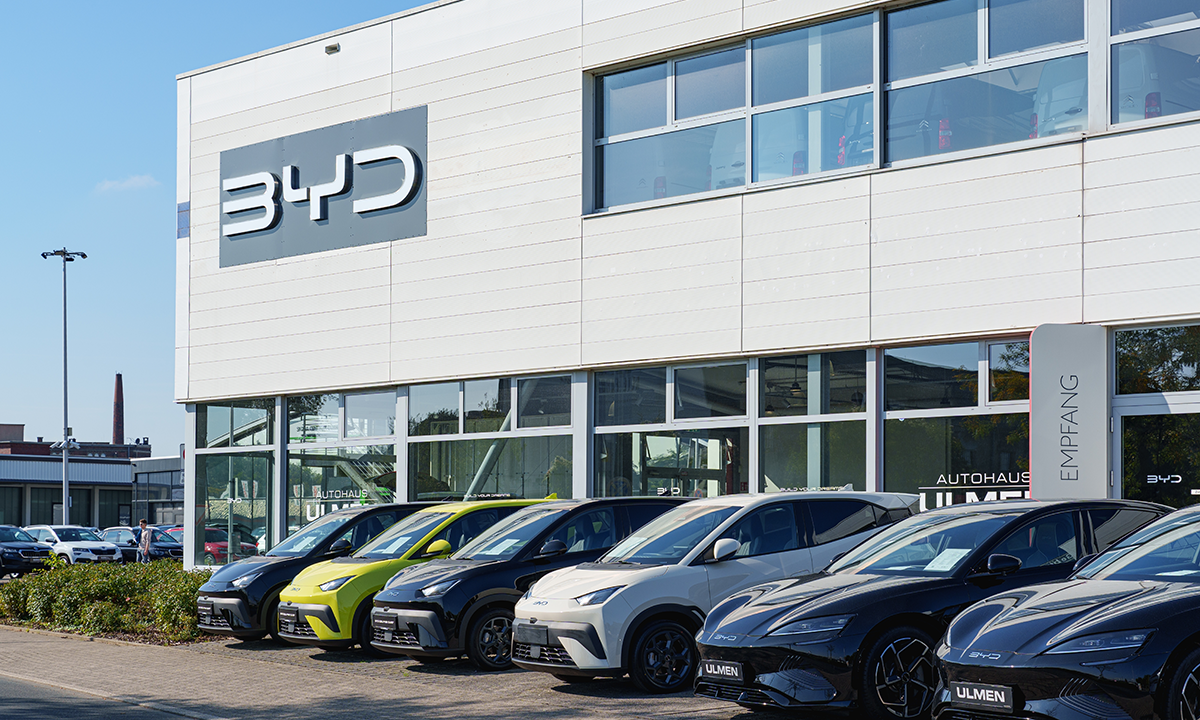
Yet here’s where pragmatism meets reality. Nearly half of all Canadians can’t name a single Chinese auto brand. BYD has broken through. Geely, Chery, MG and Xiaomi Auto remain largely invisible. When researchers rated these brands against established competitors from Japan, Europe, South Korea and North America across seven key attributes, Chinese brands finished last or near-last on reliability, safety and premium positioning. There is a chasm between openness to the idea and confidence in the execution.
That gap is where the dealer stands.
Thirty-nine per cent of existing vehicle owners say they would seriously consider a Chinese model if their own dealer started carrying one. Among buyers already leaning favourably toward these brands, eighty-eight per cent say the franchise dealer would play an important role in the final decision. And the data on test drives is worth noting: Seventy-seven per cent of Canadians interested in exploring a Chinese model want to experience it at a local dealership, not a mall pop-up or an online-only booking path.
Two practical implications follow. If you’re evaluating a Chinese franchise opportunity, equip your sales team to address five specific objections. Buyers worry about quality and durability, service and parts support, track record, safety and Canadian winter performance. These are the objections holding people back.
If you’re defending an established brand, your pitch writes itself: Reliability history and a functioning parts network are precisely what new entrants cannot yet demonstrate. Our data shows Canadians already sense this vulnerability.
Either way, the VBOS findings point in one direction. Canadians are pragmatic, price-sensitive and largely blank slates on this entire category. What happens in the showroom will determine who succeeds and who doesn’t. Your expertise, your reputation, your service network: these are assets new competitors can’t yet replicate.
If you’d like to learn more about the VBOS study, conducted by Clarify Group and sponsored by Universus Media Group, drop me a line.