Canada’s new light vehicle market declined slightly in February, but the monthly results were shaped by policy changes and regional disparities, according to data from DAC.
National sales slipped 0.2 per cent year over year to just under 122,000 units, leaving the market down 1.5 per cent on a year-to-date basis.
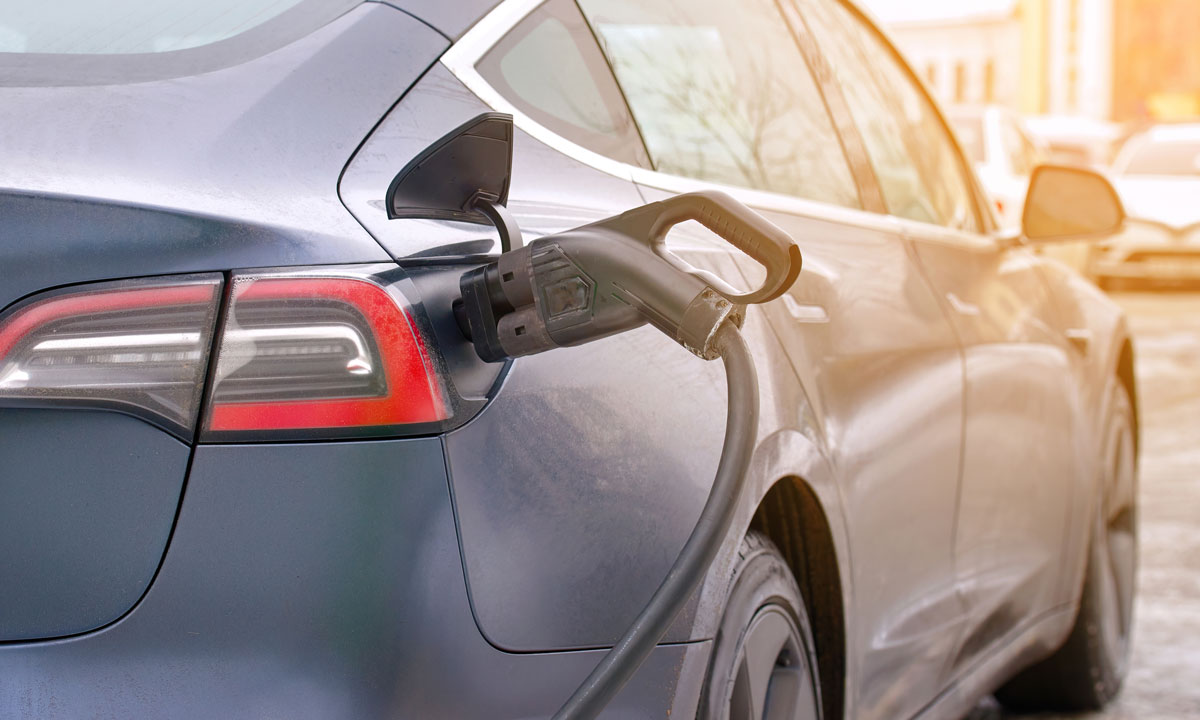
Two trends stood out. The first was the impact of the federal Incentives for Zero-Emission Vehicles (iZEV) program, which returned on Feb. 16. Despite being available for only half the month, ZEV sales rose more than 50 per cent in several provinces.
The second was Quebec’s outsized influence on the national result. The province recorded a 16.8 per cent increase compared with February 2025, when sales were depressed following the reduction of provincial incentives at the end of 2024.
“The impact of the Federal ZEV incentives was seen immediately in February, and with climbing gas prices we expect a further impact in March,” said Andrew King, Managing Partner at DAC, in a statement. “However, incentives alone do not constitute a coherent ZEV policy. In the face of US retrogression, Canada needs to develop a coherent, pragmatic, and holistic ZEV strategy based on the realities of the market and the needs of Canadian consumers.”
“It is notable that February saw Nova Scotia announce it will join the list of provinces charging an additional registration fee for ZEV vehicles,” added King. “Only in Canada would one level of government be incentivizing consumers to buy ZEVs, while another level penalizes them.
Outside Quebec, most provinces saw declines. Ontario posted a modest 1.5 per cent decrease, while British Columbia fell 4.4 per cent and Alberta dropped 8.6 per cent. Manitoba and Prince Edward Island recorded steeper declines of 11.9 per cent and 18.1 per cent, respectively.