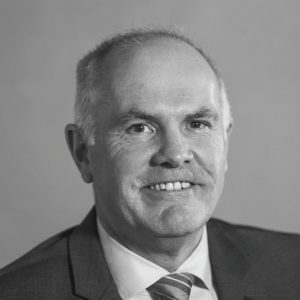

David Adams
Our columnist David Adams is retiring and reflects on a 40-year career in automotive, sharing key lessons learned along the way
Anew world order.
That was a statement made by Prime Minister Mark Carney during his mid-January visit to China, in an attempt to thaw frosty relations, address punishing Chinese tariffs on agricultural products such as canola, pork and beef, and build opportunities to increase trade with China as part of the Prime Minister’s goal to diversify trade and reduce reliance on the United States — which accounts for about three quarters of all Canadian exports. Autos came out on the losing end of that agreement.
That is, however, the subject of another column. My editor wanted me to write about something else.
Besides, a “New World Order” sounds a little Trumpian. However, with respect to the topic of this column — which is related to my pending retirement after almost 40 years working in the Canadian automotive trade association world — perhaps a more appropriate title might be Three Lessons I Have Learned.
Over the course of my career, I have been privileged to be part of an industry that is at the forefront of technological advancement, a major economic contributor — and, with that, an important political constituency for federal and provincial (principally Ontario) politicians.
And let’s not forget the most important thing in my career — the people. I have been honoured to work with so many talented and gifted individuals from all over the world in my role, and I am grateful for the knowledge and wisdom they have shared, as well as the relationships that have been built.
For me, each day being different and not knowing exactly what I would be dealing with was invigorating and exciting, even though at times it was highly stressful.
One thing I can say is that I have never been bored in my career. This is an industry where any given day can bring a new black swan you never saw coming — splashed across the front-page headlines of the newspaper (sorry, the latest newsfeed) — challenging the industry or the membership and setting your day, or your week, on an entirely different course than planned.
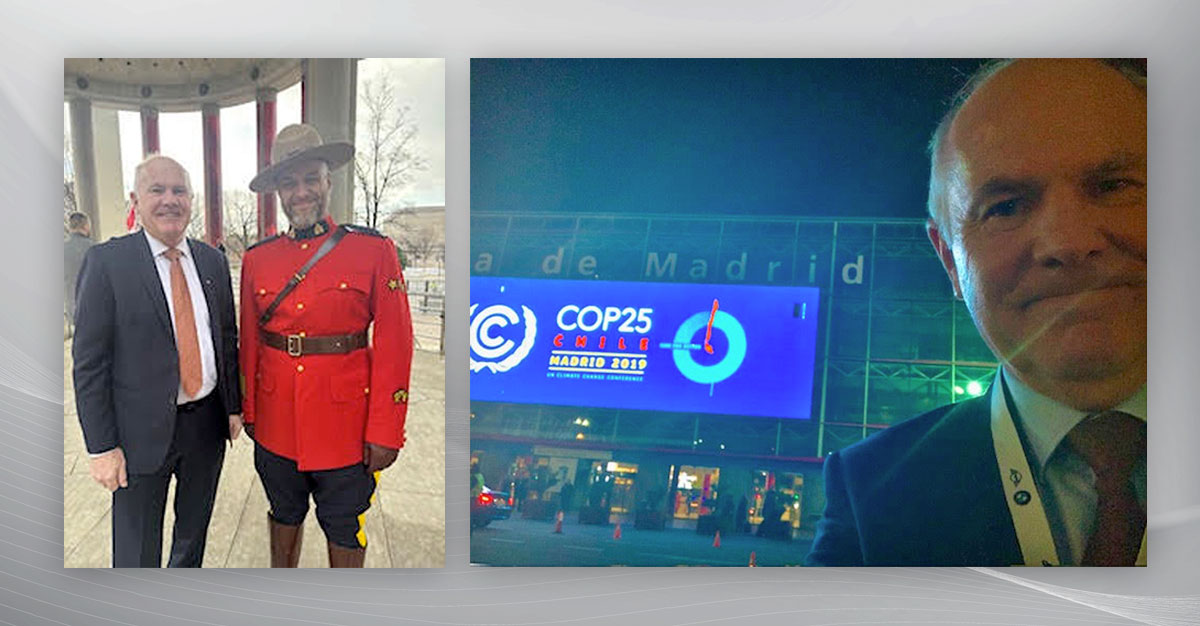
For me, each day being different and not knowing exactly what I would be dealing with was invigorating and exciting, even though at times it was highly stressful.
That said, one thing I have learned is that perspective is everything. I am not a surgeon holding someone’s life in my hands.
The issues I work on — and have worked on over my career — are important to the members and important to the industry, and in some cases important to the country, but they are not life and death.
Unfortunately, I did not understand that for much of my career. While in some cases members actually were waiting impatiently for an update, information, a phone call or a briefing, generally that was not the case.
I was the one who put pressure on myself to deliver, to stay at the office a little later, to work evenings and weekends to get “important” information out to the members. And the price of my own inability to maintain a disciplined work-life balance was two failed marriages. My editor asked me to share what I have learned and observed over my career, and that is the biggest lesson I could ever share with you — keep perspective.
Another related lesson is that all choices have consequences, and from the moment we get up each day until we go to bed each night, we are executing choices.
I did not fully appreciate for much of my life that consequences follow choices as predictably as night follows day. Maybe I was just a little slow.
Consequences are unavoidable, so it is necessary that we make wise choices individually, with our families, with our colleagues at work, within the organizations we work in, across the broader sectors we impact, and as a country.
I think we are being given a master class in the consequences of choice at this particular point in time. In 2024, 77 million people made a choice that is having dramatic consequences for the other almost eight billion of us.
The final, and also related, lesson is that there is a big difference between reaction and response — and it is almost always best to respond rather than react.
Too often over my career I reacted to people and to events, and those reactions (choices) had negative consequences for me and for the recipients of my reaction — which I regret.
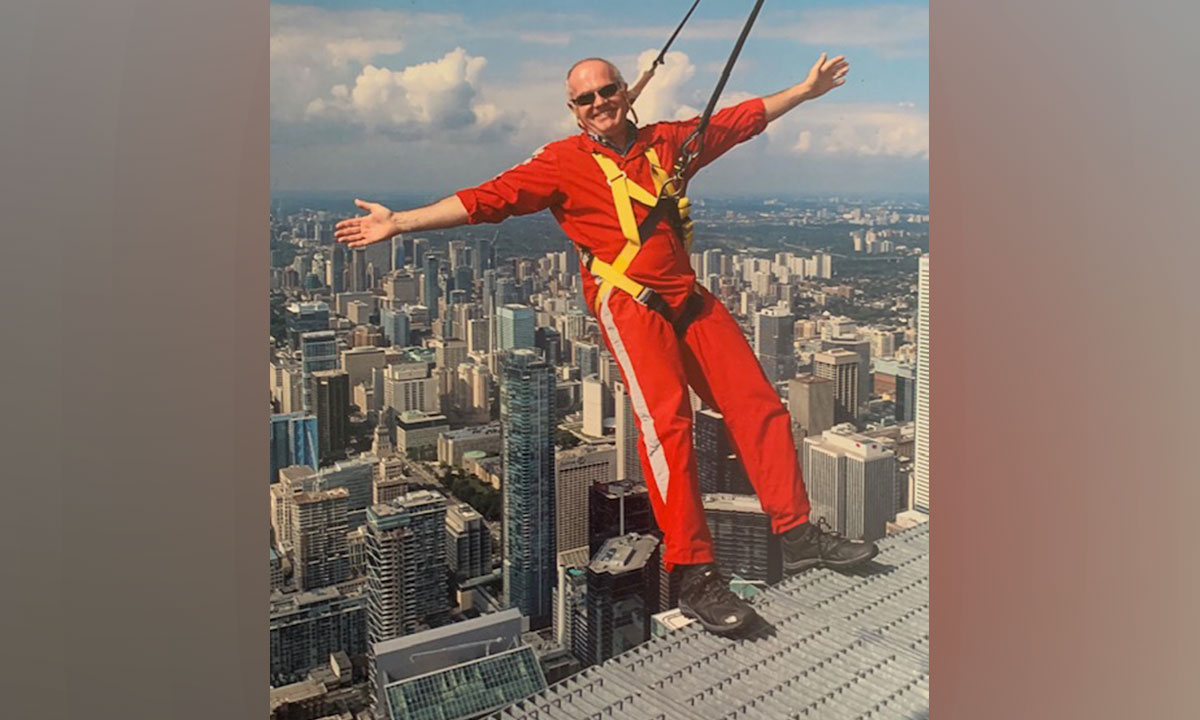
A quote attributed to the Stoic philosopher Epictetus — which I will loosely paraphrase here — is that we cannot control what happens to us, but we have absolute control over how we deal with what happens to us.
How we deal with it can be a reaction from the reptilian brain, oriented around fight or flight, or it can be a response from the frontal cortex — after taking a few deep breaths or a few brief moments to really consider what just happened and how best to deal with it before we act.
In another column — if this one gets by my editor — I will write the piece I think he may have been looking for, examining some of the key issues, high points, important developments and personal achievements over my career. That may be interesting to some, but to me the biggest legacy I could leave is sharing the three lessons I learned — often the hard way.
Maintain perspective.
Choices have consequences.
Respond rather than react.