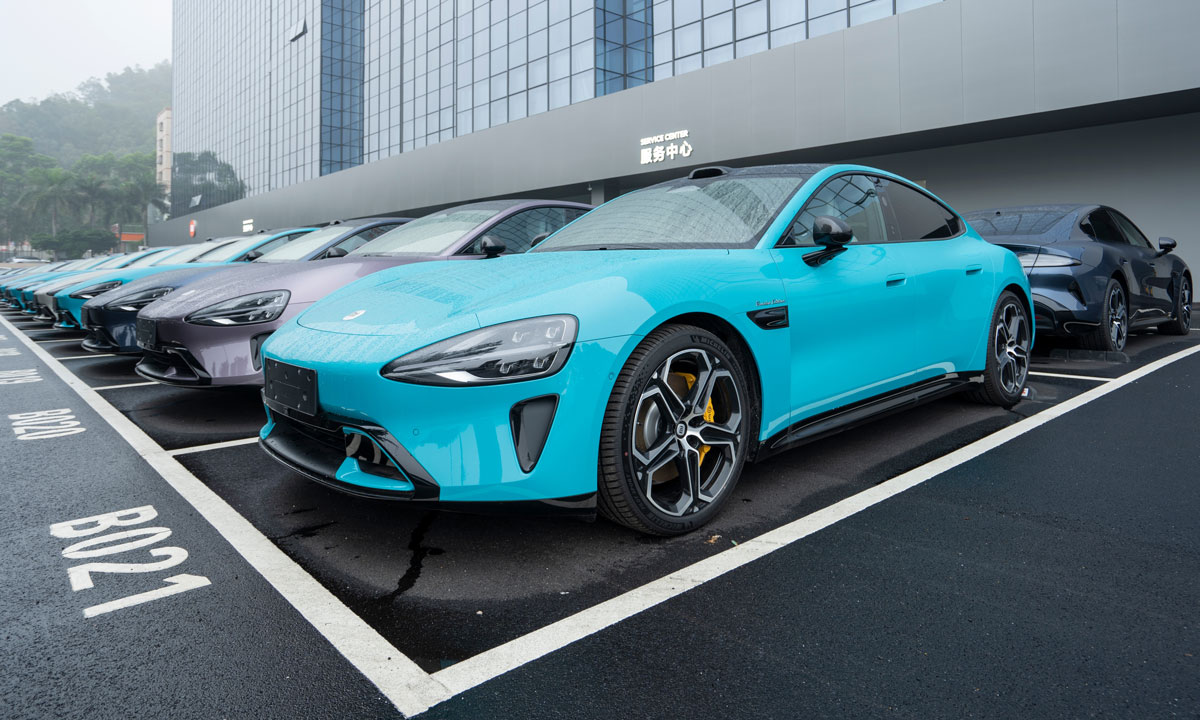
Canada’s decision to allow thousands of Chinese-made electric vehicles into the country at reduced tariffs is raising fresh cybersecurity and national security concerns, according to Global News and CTV News.
According to Global News, Canada’s agreement with China would permit up to 49,000 Chinese electric vehicles to enter the market at a 6.1 per cent tariff, significantly lower than the rates imposed by the United States and the European Union. The federal government has framed the move as a way to increase EV affordability, but critics argue the policy introduces new risks tied to connected vehicle technology.
CTV News reported that cybersecurity experts warn modern EVs function as data-rich, internet-connected platforms capable of collecting information on drivers, locations and charging behaviour. The concern, experts told CTV News, is not just data privacy, but where that information is stored and who ultimately has access to it.
Ontario Premier Doug Ford echoed those warnings publicly, telling a municipal conference that Chinese EVs could pose surveillance risks. “When you get on your cellphone, it’s the Chinese — and I’m not making this stuff up — they’re going to be listening to your telephone conversation,” said Ford, based on Global News.
Former Canadian Security Intelligence Service officer Neil Bisson told Global News that connected vehicles could become gateways into critical infrastructure, including power grids and communications systems. “It just allows another portal into our infrastructure,” he said.
The issue sits at the intersection of affordability, regulation and trust. Lower-priced EVs could help stimulate demand in a slow-moving market, but dealers may face heightened scrutiny around software controls, data protection and compliance standards as governments weigh trade benefits against security concerns.