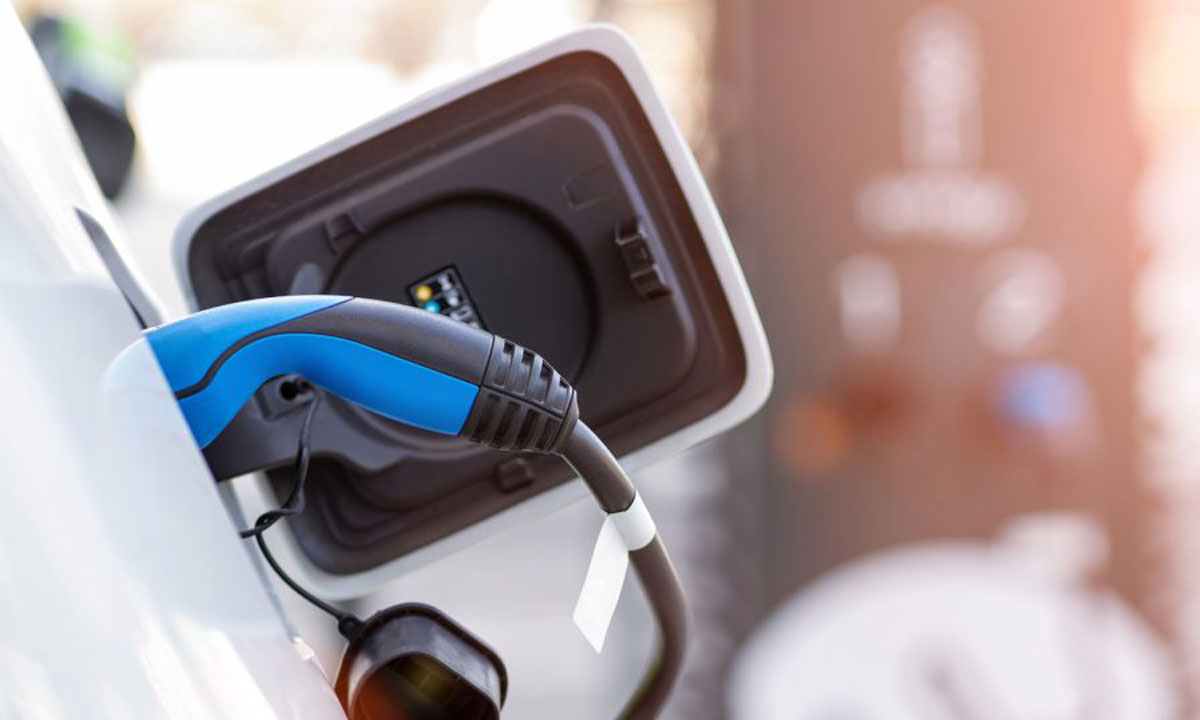
Photo: Urban Science
U.S. retail vehicle sales fell 6 per cent year-over-year in October as electric vehicle demand declined sharply following the expiration of federal tax credits, according to Urban Science.
Battery-electric vehicle (BEV) and plug-in hybrid electric vehicle (PHEV) sales were the hardest hit, dropping 47 per cent overall. BEVs were down 43 per cent from a year earlier, representing 5 per cent of total retail sales, while PHEVs fell 62 per cent to a 1 per cent share.
“Following months of significant growth in August and September, when shoppers bought EVs at record rates, the BEV market is experiencing a pullback in October,” said Tom Kondrat, global lead for advanced analytics at Urban Science, in a statement.
He added that the situation is not unexpected, since the termination of U.S. federal tax credits “pulled BEV buyers ahead” as they wanted to take advantage of the incentive before it expired — much like the situation in Quebec.
Kondrat said BEVs accounted for only 5 per cent of total retail sales in October, roughly half their year-to-date share of 8.4 per cent. He expects BEV sales to remain below last year’s levels through the fourth quarter and into early 2026, with a possible recovery next spring as seasonal demand returns.
“A key time frame to look for a rebound will be next spring, when BEV sales historically pick up and the effects of the pull-ahead are behind us,” he said.
Electric and plug-in hybrid sales dropped in key markets across the United States. Colorado saw a 71 per cent decline compared with last year, while Florida recorded a 30 per cent decrease. In contrast, non-electric vehicle sales grew modestly in California, up 2 per cent, and in Texas, up 1 per cent. Sales of all other fuel types slipped by about 1 per cent.