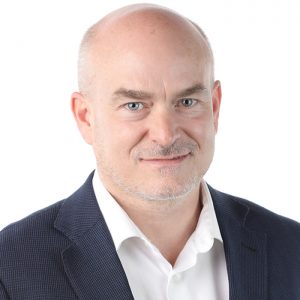

Mélanie Joly
As Canadian OEMs who assemble vehicles in Canada continue to announce delayed investments, and scaled back production plans, Canada’s newly-named federal Minister of Industry Mélanie Joly has been meeting with their leaders to encourage them to protect Canadian jobs.
After meetings with General Motors officials in Oshawa yesterday, Joly held a press briefing and answered questions from reporters.
“I’m a very pragmatic person, and I’m not naive. So we need to continue to fight for these jobs,” said Joly. “The auto sector is under huge pressure because of the U.S. tariffs.”
When asked about whether Ottawa would re-instate its Incentives for Zero-Emission Vehicles (iZEV) program that provided EV buyers with purchase rebates of up to $5,000, she said the government would be bringing it back.
“It is definitely our intent to make sure that Canadians can benefit from lower prices on electric vehicles. We said it in our platform that we would be bringing back the support programs for electric vehicles,” said Joly. “We will work on this issue. We know that it’s important for our auto sector and it’s also important that Canadians are also able to have access to affordable electric vehicles and this is something that I will be working with the Minister of Finance on.”
Ottawa’s iZEV program was slated to end at the end of March 2025, but the program was shut down in January after a surge in demand.
As you might expect from someone in the midst of a trade war, Joly also expressed some strong sentiment about the need for Canadians to get their “elbows up” and to fight for Canadian jobs, going so far as to urge car buyers to buy made-in-Canada vehicles.
“My message to Canadians right now is: ‘please, do the right thing and try to buy a Canadian-made car.’ When we go to the grocery store we try to not buy American, because we know it’s the best way to put pressure and to help workers who are affected by the tariffs. Well, it’s the same when it comes to buying a car,” said Joly.
Joly said Canada would also be seizing the opportunity to recruit disgruntled American researchers and scientists who might want to come north to Canada, calling it the best opportunity since the Vietnam War to do so.
In terms of tariffs, Joly said her fellow cabinet minister of Intergovernmental Affairs Dominic LeBlanc was in Ottawa working with officials there.
Joly said she also talked recently with Honda Canada President & CEO Dave Jamieson after the company’s recent announcement to delay their multi-billion dollar EV investments in Canada. Joly said Jamieson confirmed no jobs would be cut, and he told her the decision was linked to a softening of demand for EVs.
Joly said slowing EV demand is just a reality, and it’s not just linked to tariffs but also to the U.S. administration backing away from the Inflation Reduction Act, which was providing support for U.S. EV buyers.
Joly said she also talked this week with Jeff Hines, President of Stellantis Canada, who also advised her the company was seeing a softening in demand for EVs.
Joly said in the coming days she would also have talks with global CEOs about the auto industry and their plans for Canada.
Joly also said that Canada would be investing “more than ever” in its own defence spending, and would meet or exceed the target of 2% of GDP spending on defence.
Joly said her first priority was having talks and meeting with the companies and people directly impacted by the trade war, citing the auto, steel and aluminum industries as key industries.
She said the government is trying to protect those industries, it is also committed to growing the economy by boosting defence spending, investing in AI and the energy sector.